Québécoise painter and glass artist Marcelle Ferron was born November 19, 1924. Her radical spirit stood at the crossroads of political rebellion and artistic innovation, and today she remains one of the defining forces of modern art in Canada.
Québécoise painter and glass artist Marcelle Ferron was born November 19, 1924. Her radical spirit stood at the crossroads of political rebellion and artistic innovation, and today she remains one of the defining forces of modern art in Canada.
November 19, 2025


A leading member of Les Automatistes and a signatory of the 1948 Refus global manifesto, Ferron’s paintings revealed her independence and freedom from the confines of conviction from the start.

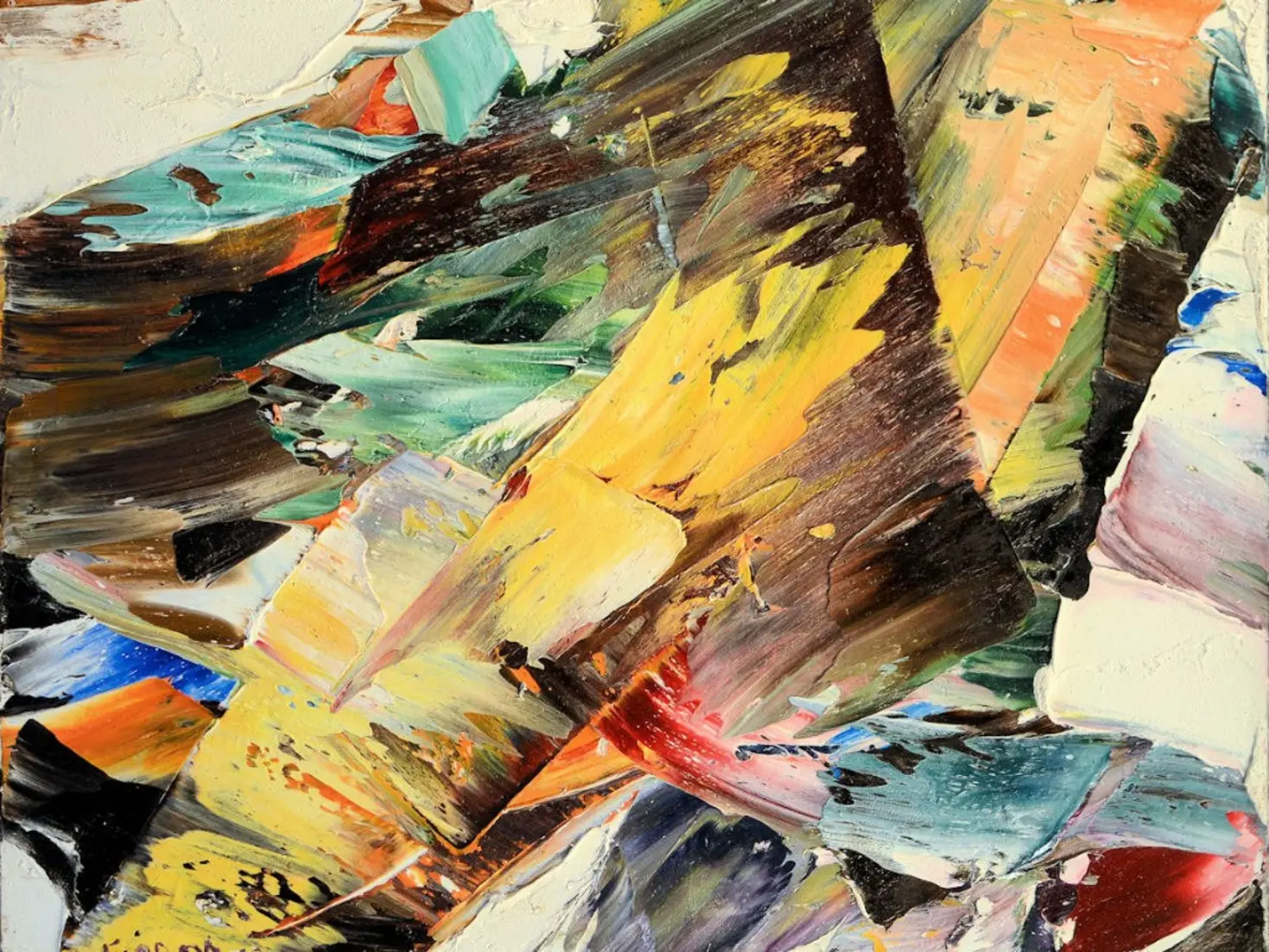
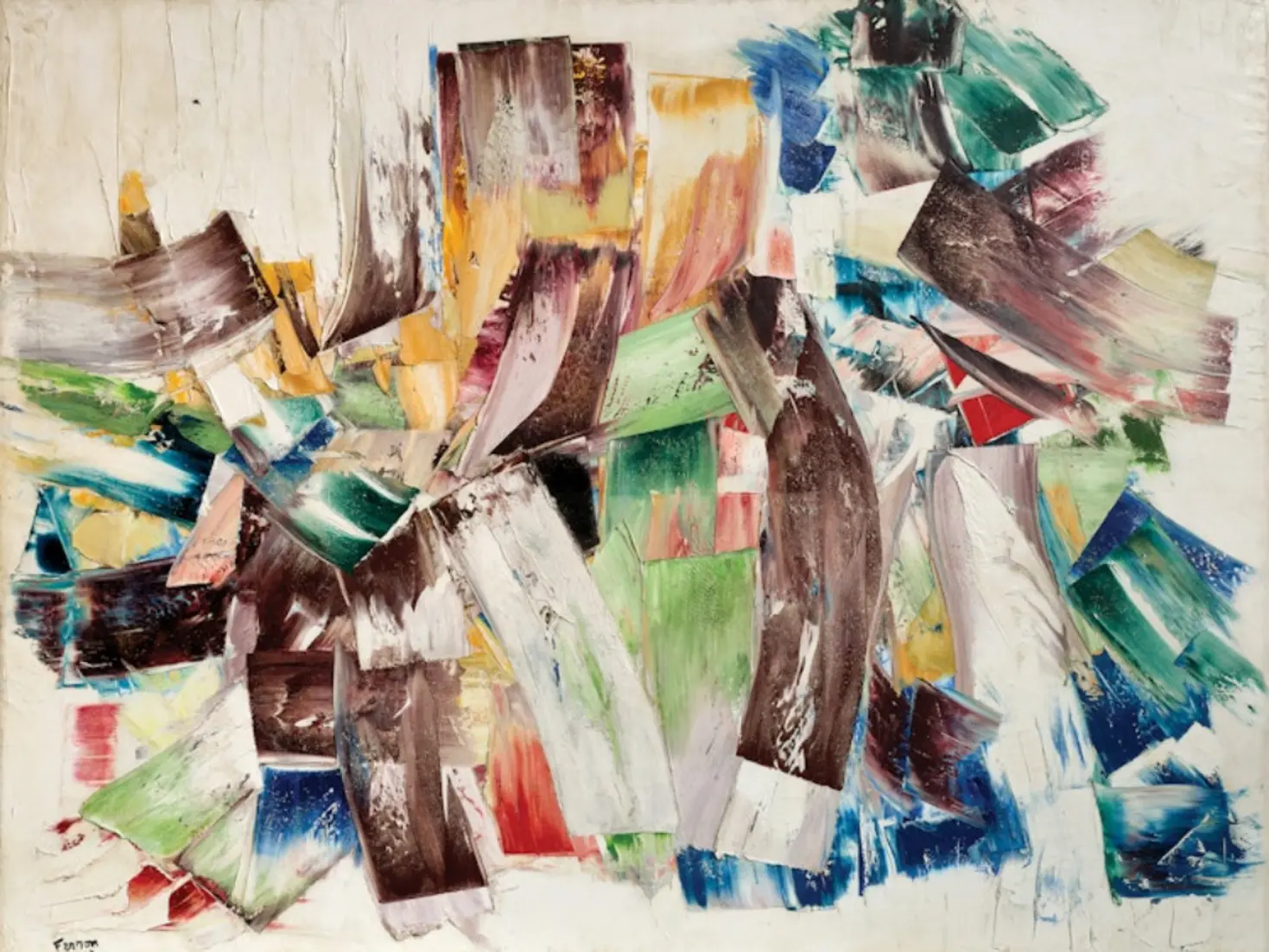
Her style was unmistakable, sweeping gestures, thick impasto, and saturated tones colliding in rhythmic, almost musical compositions. Influenced by the Automatistes’ embrace of unconscious expression, Marcelle Ferron painted with a spontaneity that felt both physical and visceral, helping shape a new direction for Canadian abstract art.
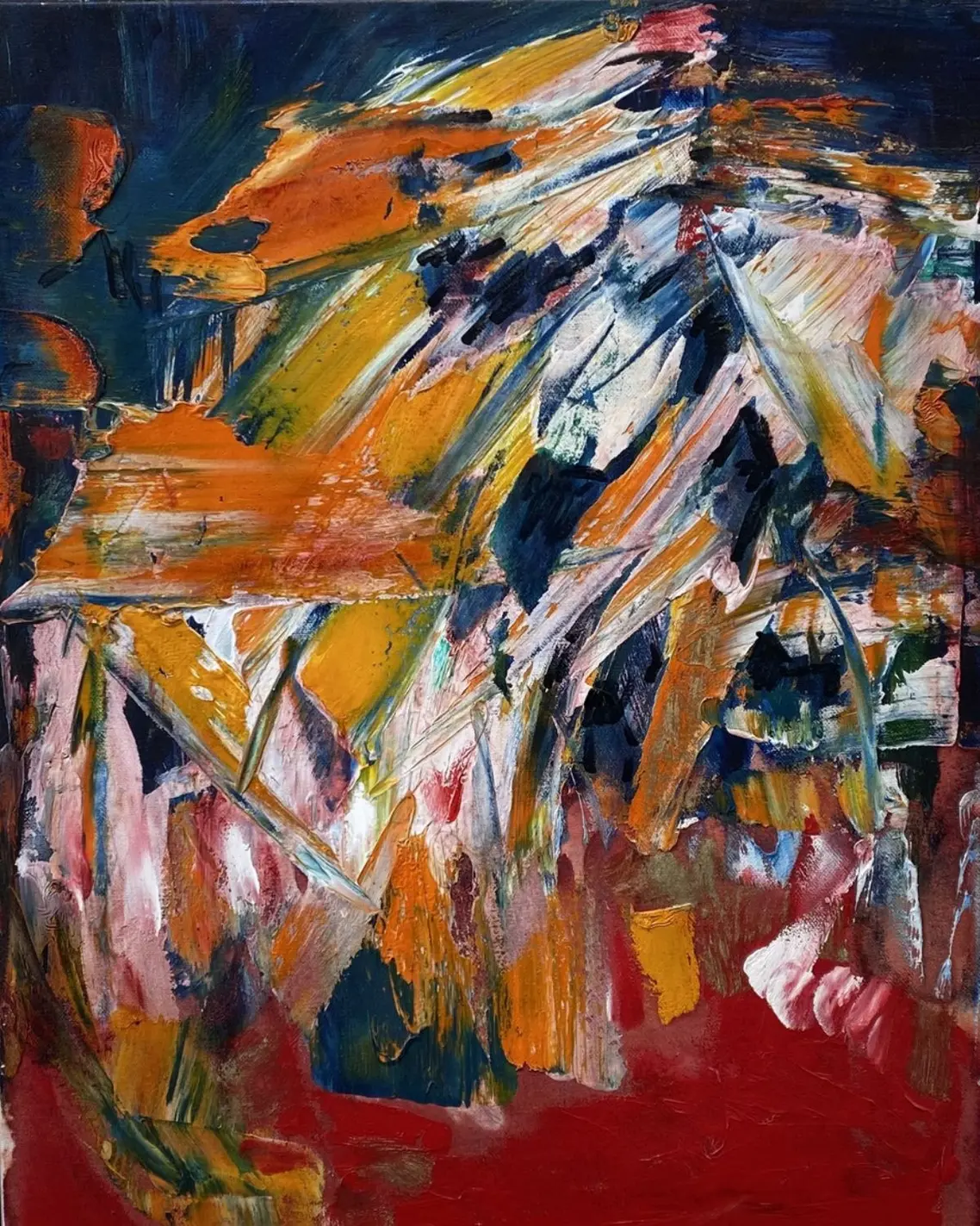
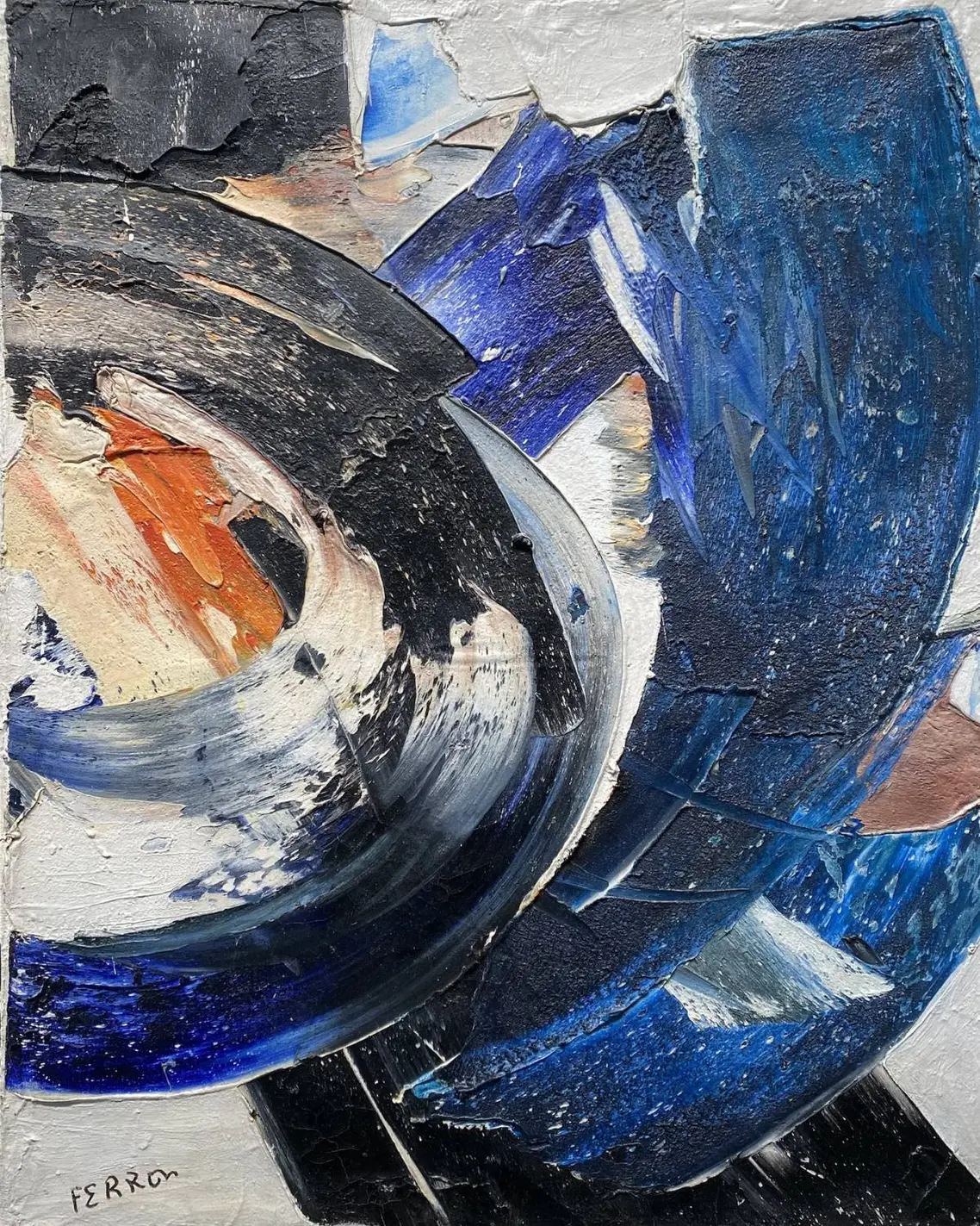
Blues, reds, and whites didn’t merely fill her canvases; they surged forward like currents. Works like the Sans titre series show her mastery of movement, orchestrating chaos into harmony with a confidence that set her apart from her contemporaries.
Her most groundbreaking chapter began when she moved to France in the 1950s and encountered glass as a medium - a moment that completely transformed Marcelle Ferron’s artistic trajectory. This discovery redirected her career and produced her most celebrated works. Ferron trained with master glassmakers, learning to manipulate light as if it were pigment. The result was a distinctive visual language: bold, geometric pieces composed of thick slabs of coloured glass, brought to life through natural illumination. These glass installations remain some of the most innovative contributions to modern Canadian art.

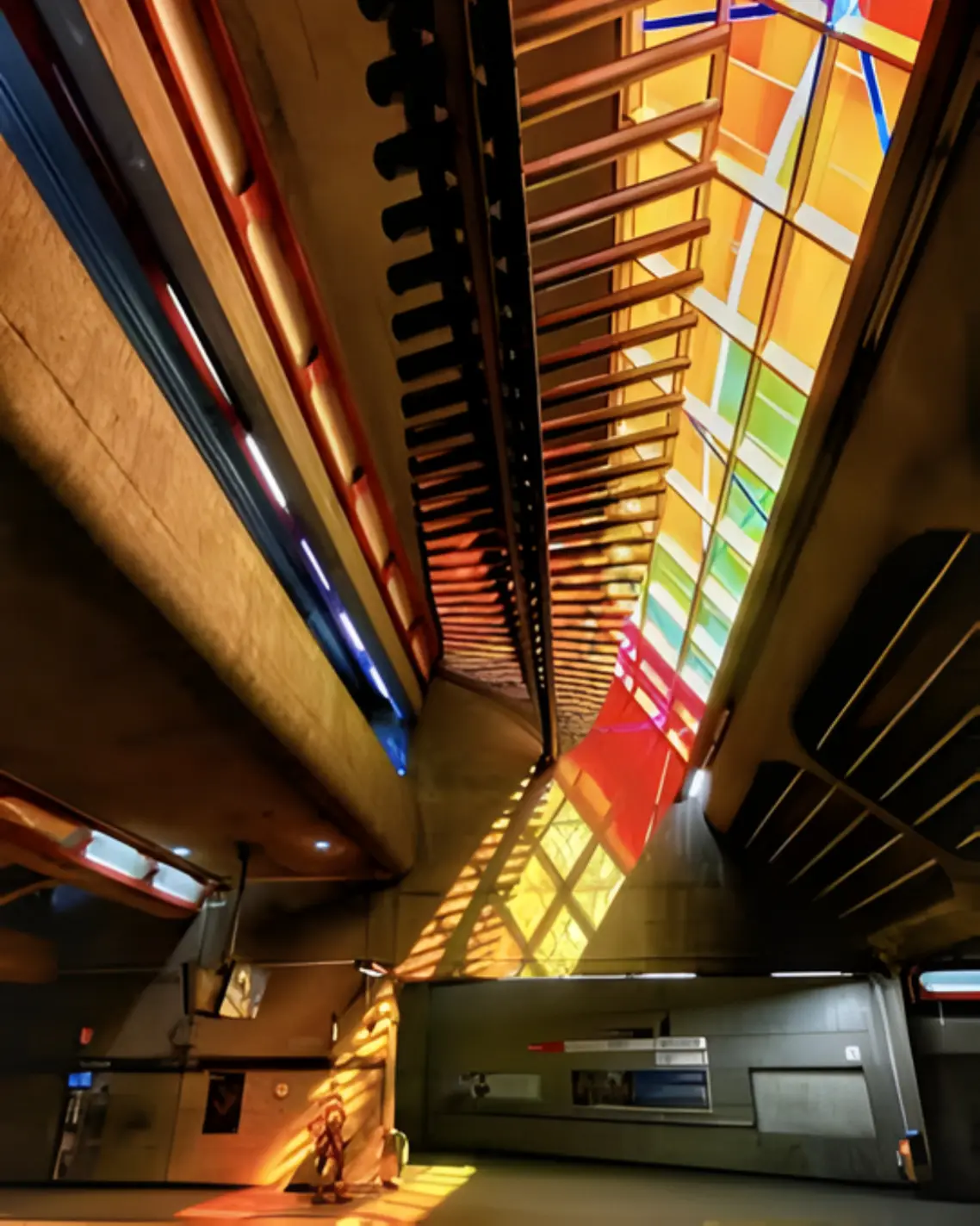
Her return to Quebec in the 1960s ushered in a new era of public art. Among her most iconic works is the monumental stained-glass installation at Montreal’s Champ-de-Mars metro station (1968), a masterpiece of fluid colour planes that shift dramatically with the sun. She later created the luminous glass walls at Place des Arts and installations for public buildings across Quebec, each transforming everyday architecture into a theatre for light.
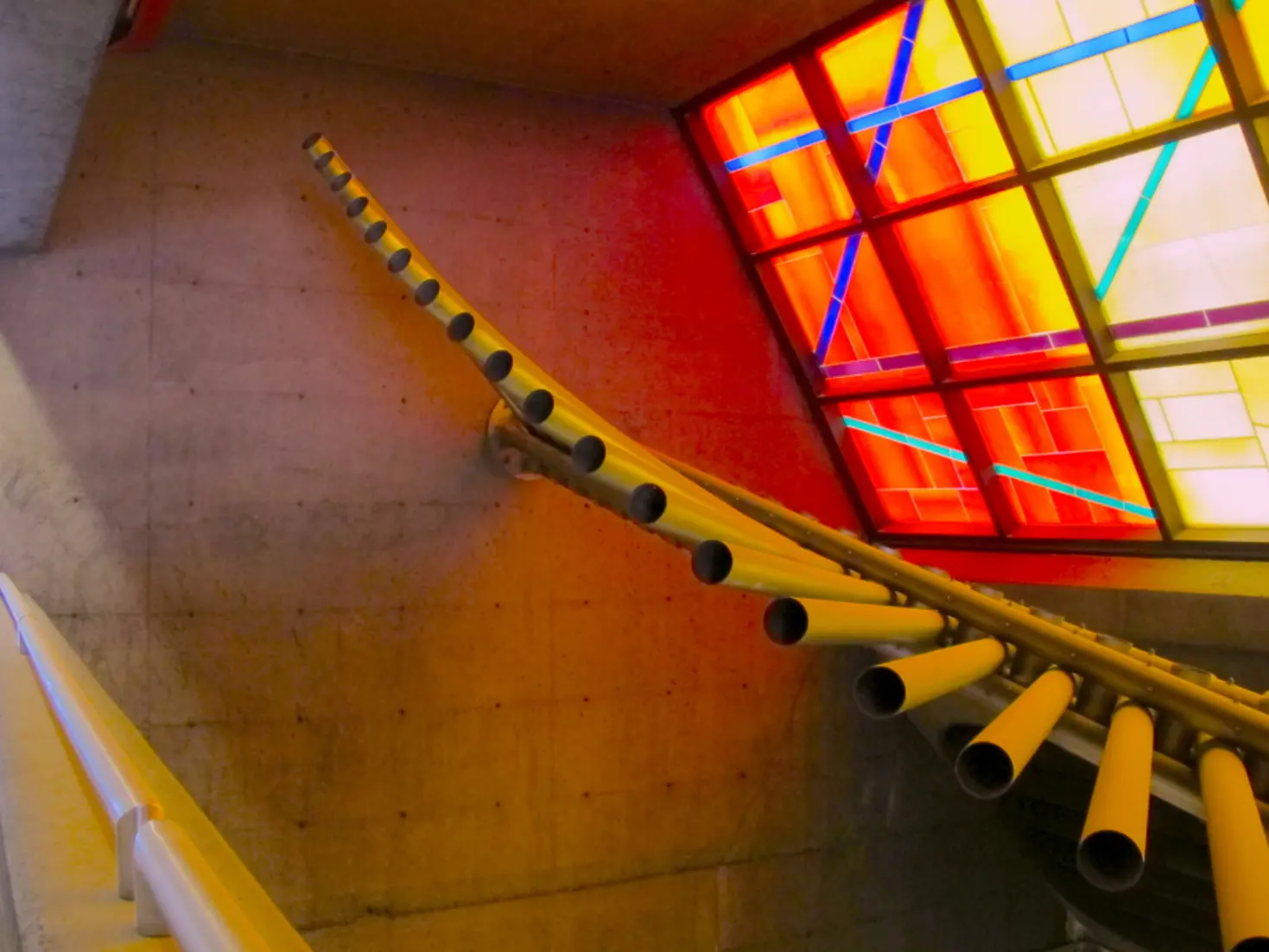
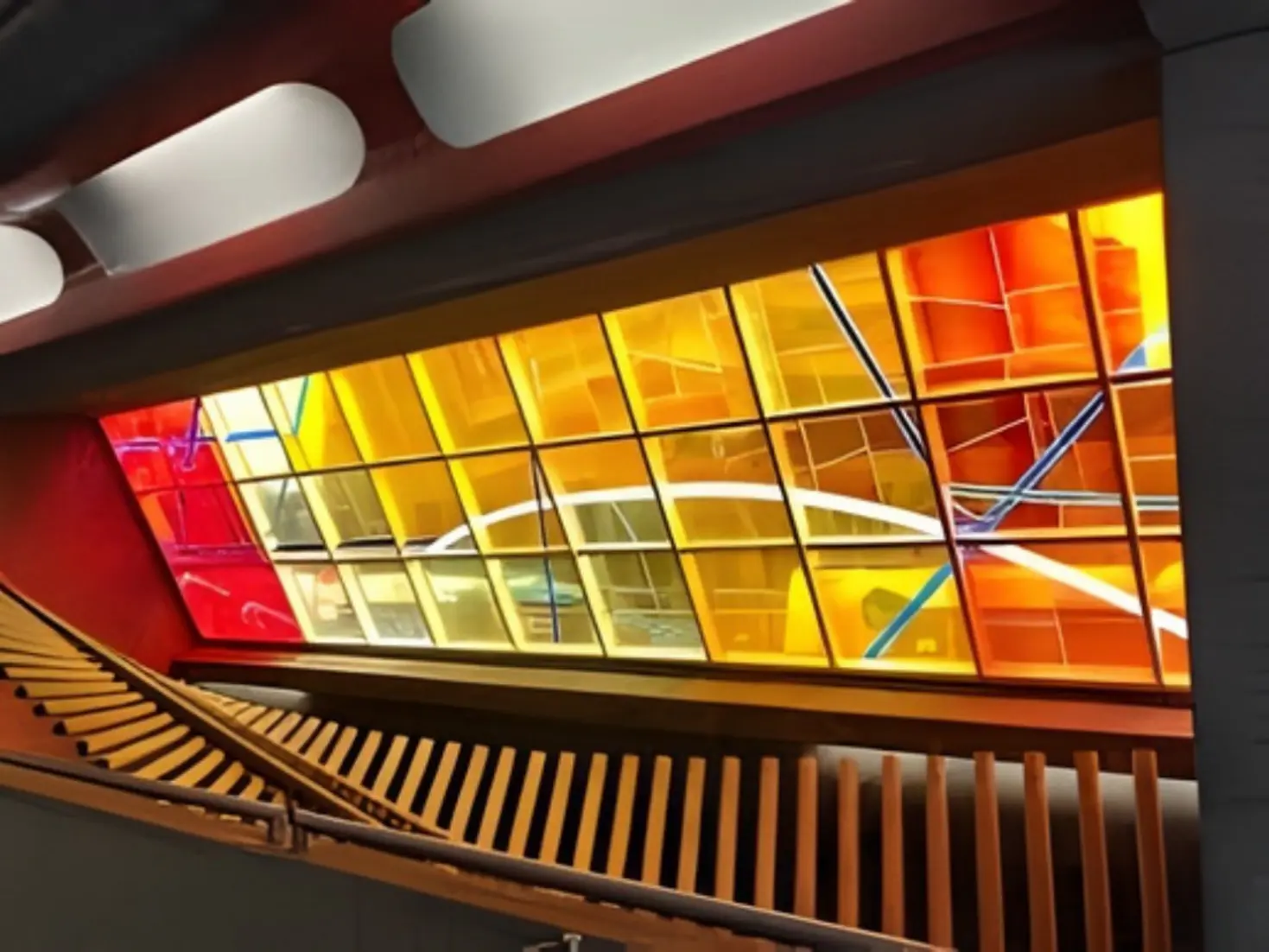
What defined Marcelle Ferron’s signature style was this union of abstract expressionism and luminous architecture. She treated light not as something to depict but as something to sculpt. Her glass works possess physically — thick, tactile surfaces — yet radiate an ethereal interior glow, blurring the line between structure and atmosphere.
Ferron’s legacy shines far beyond aesthetics. She helped democratise art through public commissions, advanced the evolution of stained glass as a contemporary medium, and fought tirelessly for artistic freedom. Today, Marcelle Ferron is celebrated not only as a pioneer of modern art but as a woman who shifted the cultural landscape of Canada with unapologetic vision and luminous force.