What if Loewe collaborations were never just capsules, but secret love letters to art lovers and collectors who are hungry enough to understand them?
What if Loewe collaborations were never just capsules, but secret love letters to art lovers and collectors who are hungry enough to understand them?
June 5, 2026
Advertisement
Advertisement



Celebrating Loewe’s 180th anniversary means honoring a brand that orchestrated an absolute miracle of fashion evolution. Founded in 1846 by a collective of leather artisans in Madrid, Loewe transformed from a traditional luxury house into the beating heart of intellectual design. Between 2013 and 2020, Loewe collaborations transcended the retail floor to become profound philosophical arguments. Under Jonathan Anderson, the house transformed its historic Madrid atelier into an alchemical crucible. By inviting external minds to fracture, suture, and reshape its sacred heritage, Loewe proved that a luxury house thrives only when it embraces the world’s beautiful friction, turning clothing into a living ledger of human touch.
Here is the definitive dissection of Loewe collaborations during its most transformative seven-year stretch.
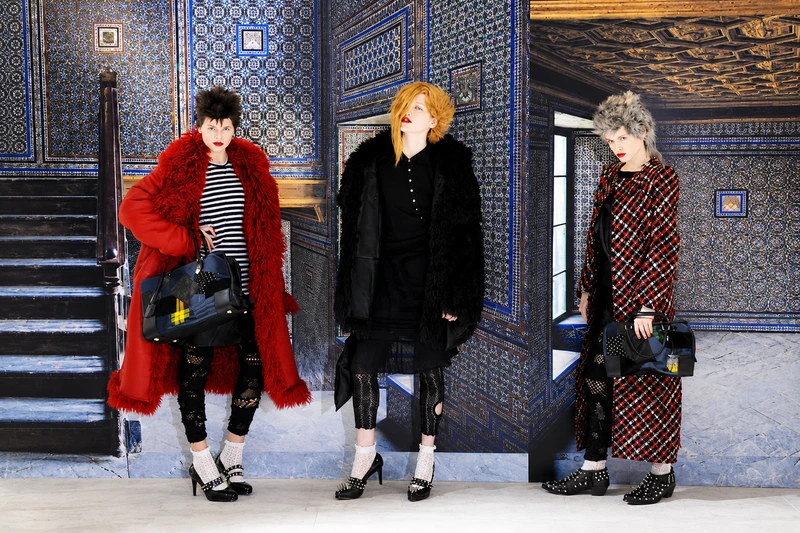
As Anderson began cementing his vision, 2013 delivered a sartorial whiplash, signaling Loewe’s readiness to shatter the mold. To celebrate 40 years in Japan, Loewe tapped Junya Watanabe. This was a beautiful crash, a raw collision of worlds. Watanabe took Loewe’s hyper-luxurious Spanish napa leather, so soft it flows like liquid, and violently spliced it with harsh, raw, Japanese selvedge denim. It united the aristocratic pedigree of Madrid with the deconstructed, punk-adjacent streets of Harajuku. This collaboration laid the vital groundwork for Loewe collaborations in the future, proving the brand welcomed radical visionaries to deconstruct its sacred codes.
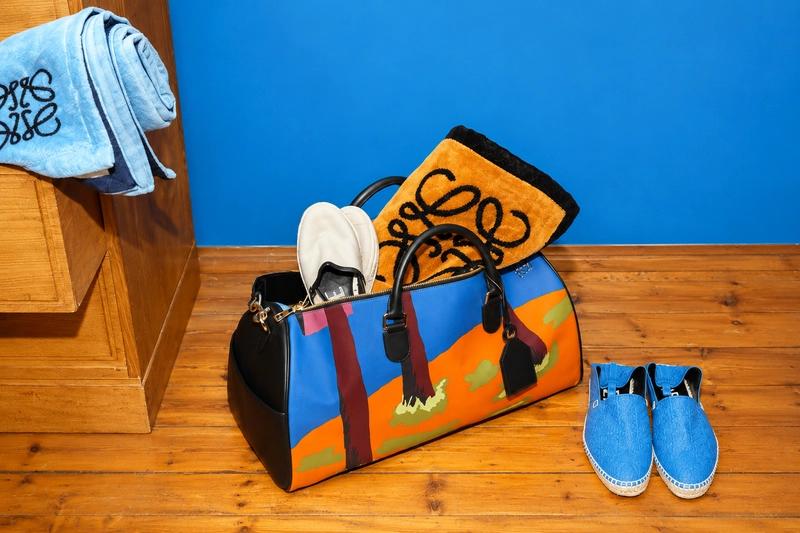
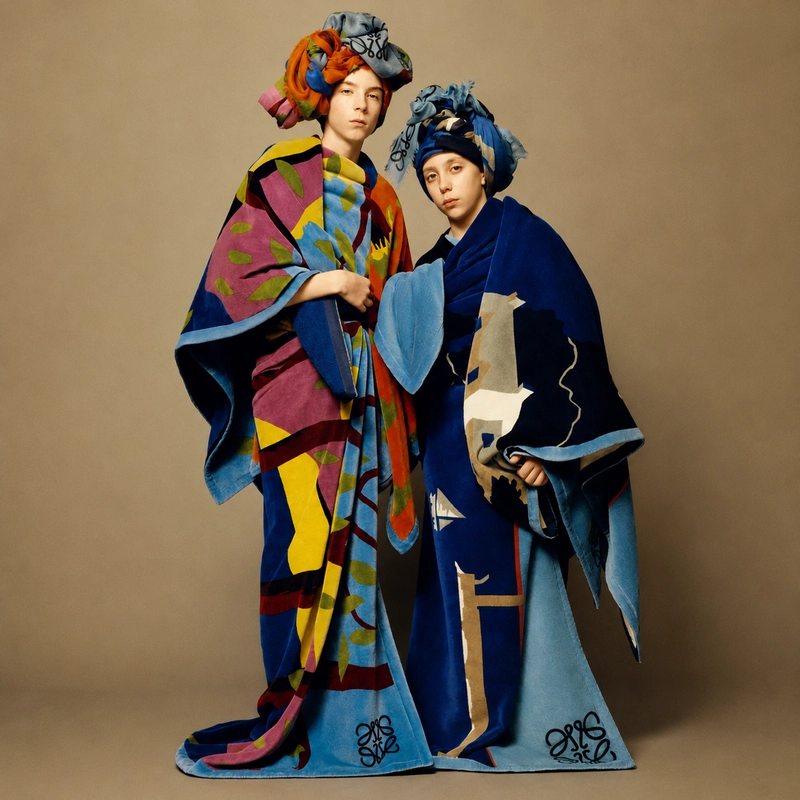
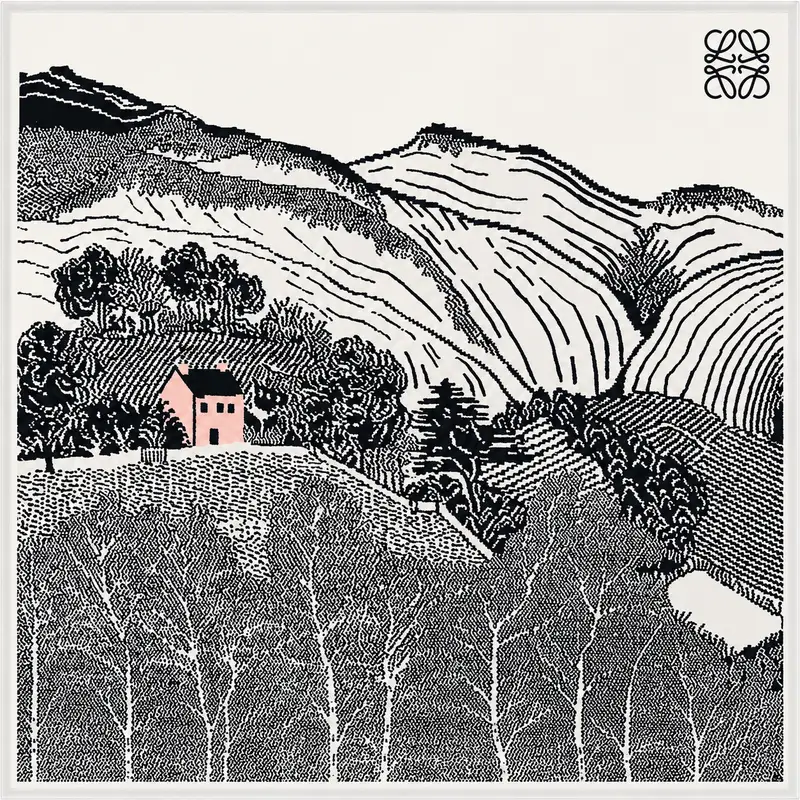
By 2015, Jonathan Anderson stood firmly at the helm, embarking on a crusade to elevate craft to the apex of high art. He enlisted the visionary British textile master John Allen. Allen’s brilliantly colored, abstract landscape tapestries, specifically "Falling Leaves" and "Cornish Harbour", leaped from the loom directly onto canvas totes, silk scarves, and beach towels. This was a masterclass in Anderson’s “craft as image” language. It elevated commerce into cultural education. It declared to the world that Loewe collaborations worship artisans and narrative depth above all else.
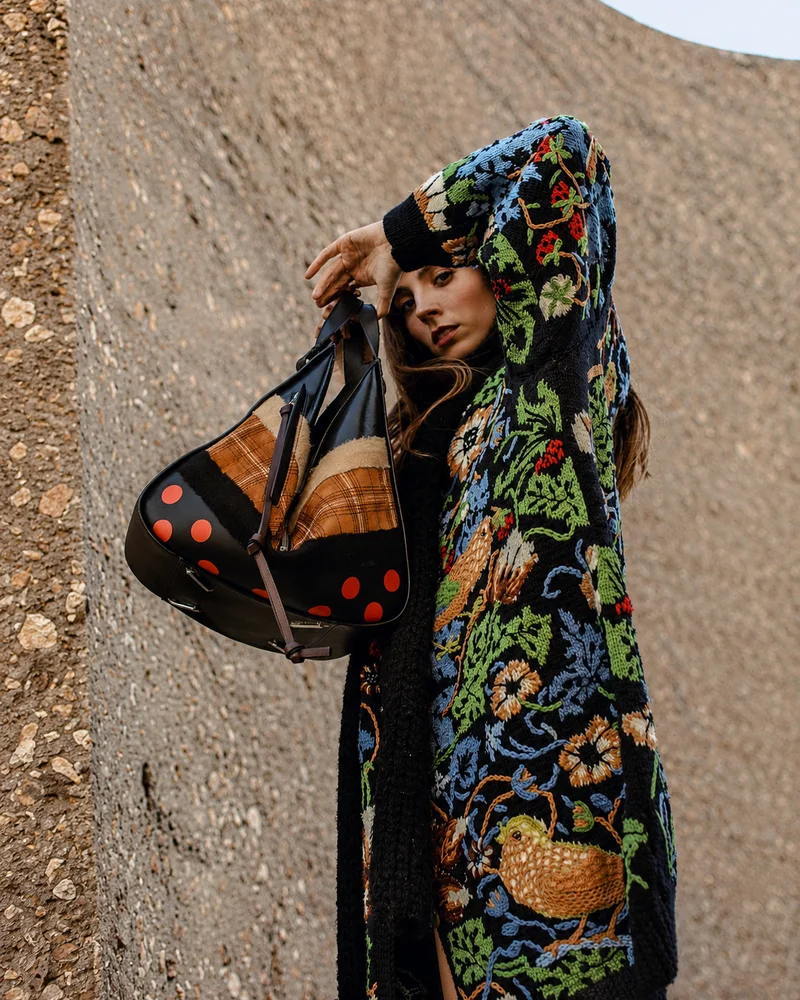
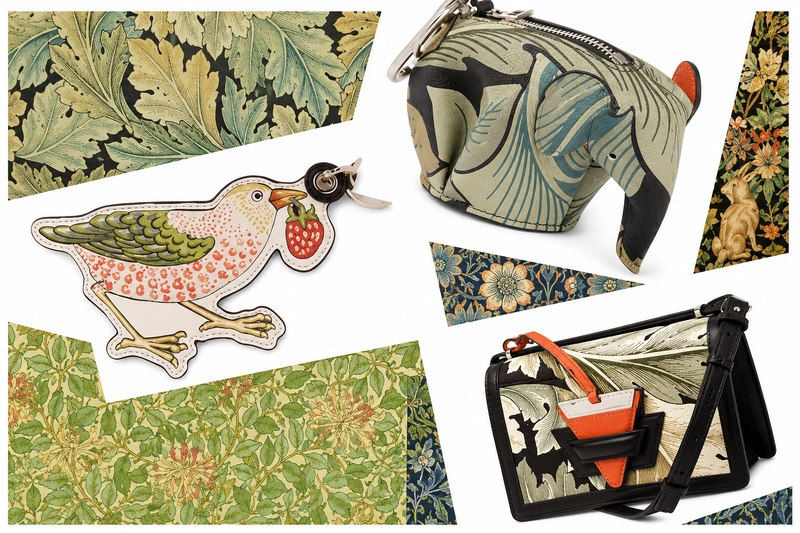
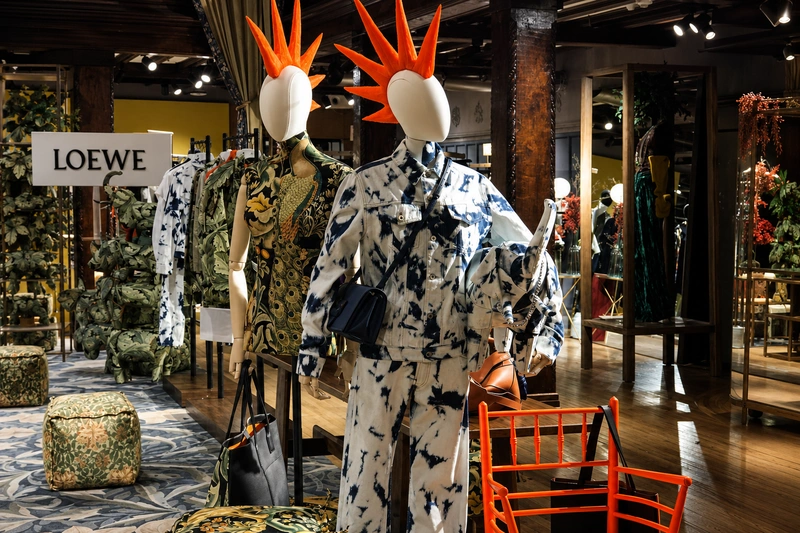
Loewe’s 2017 capsule cast William Morris in an entirely fresh, rebellious light. Given unprecedented access to the Morris & Co. archives, Anderson sought out the punk elements of the 19th-century Arts & Crafts pioneer. By extracting Morris’s intricate foliage, forest, and animal motifs, like the iconic Strawberry Thief, and superimposing them onto bleached denim, neon orange accents, and stark black biker jackets, Loewe smashed historical romanticism into modern anarchy. It stands as an aesthetic triumph, proving heritage possesses a hallucinogenic, electric power.
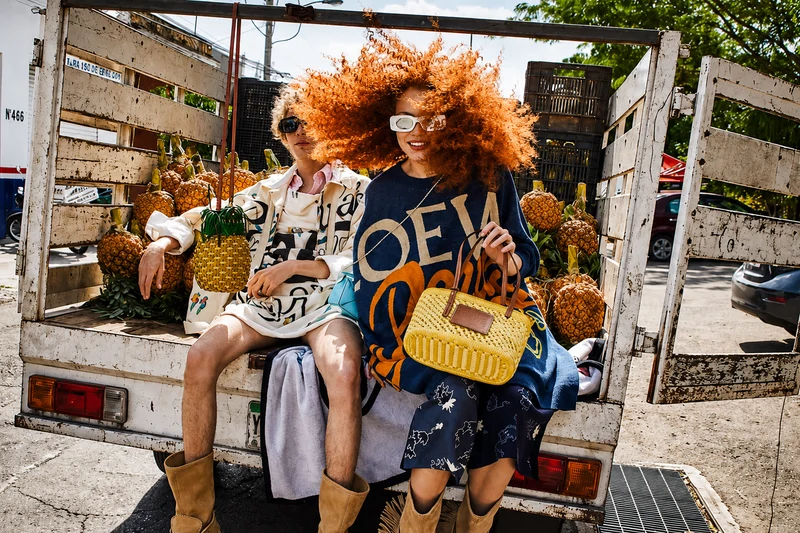
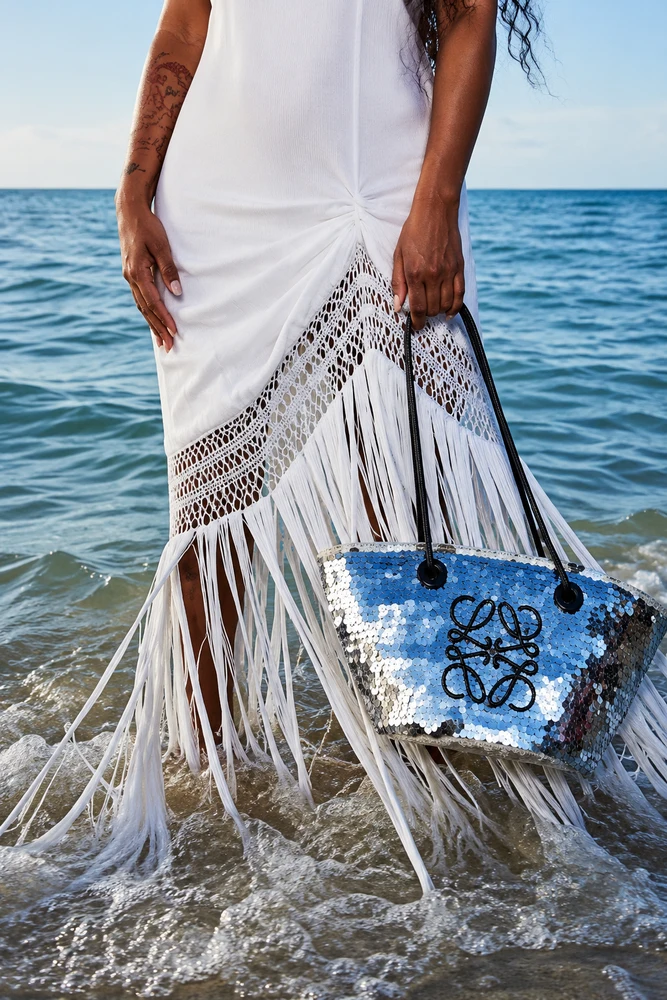
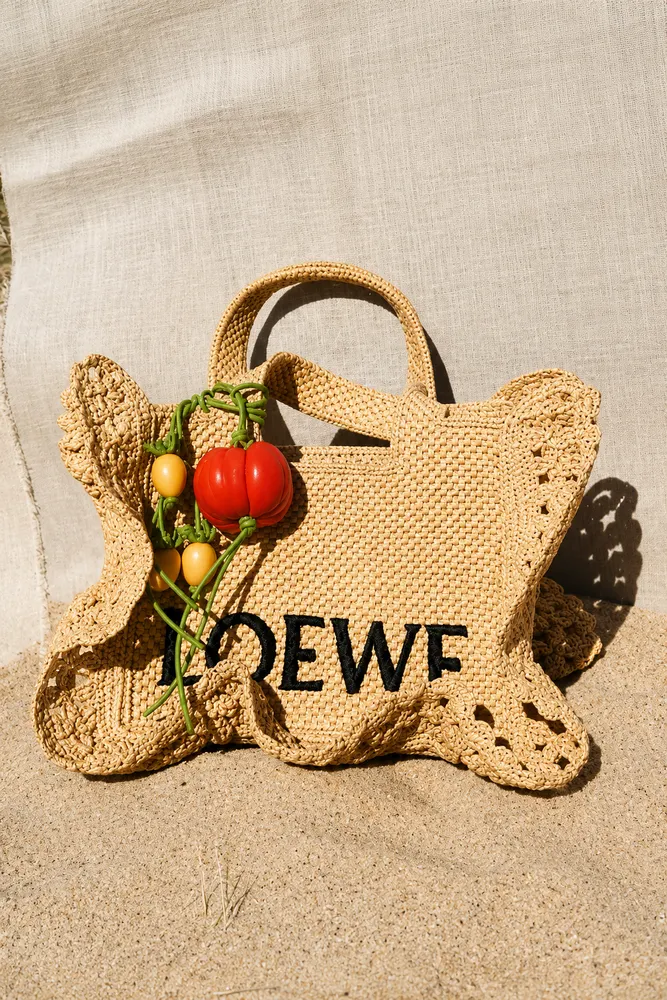
Every analysis of Loewe collaborations and modern dominance must center on Paula’s Ibiza. Originating in 2017 as a nostalgic tribute to Armin Heinemann’s legendary 1970s Balearic boutique, a haven for Freddie Mercury and Donna Summer, it evolved into an absolute market-smashing juggernaut. It represents an annual cultural reset. Paula’s Ibiza transformed Loewe’s Q2 and Q3 revenue streams by manifesting a completely immersive summer lifestyle universe. From hyper-colored woven raffia baskets, which sparked a global trend and sold by the hundreds of thousands, to a remarkably lucrative, recurring fragrance line, Paula’s Ibiza proved that escapism stands as the most profitable and resonant emotion in the global luxury market.
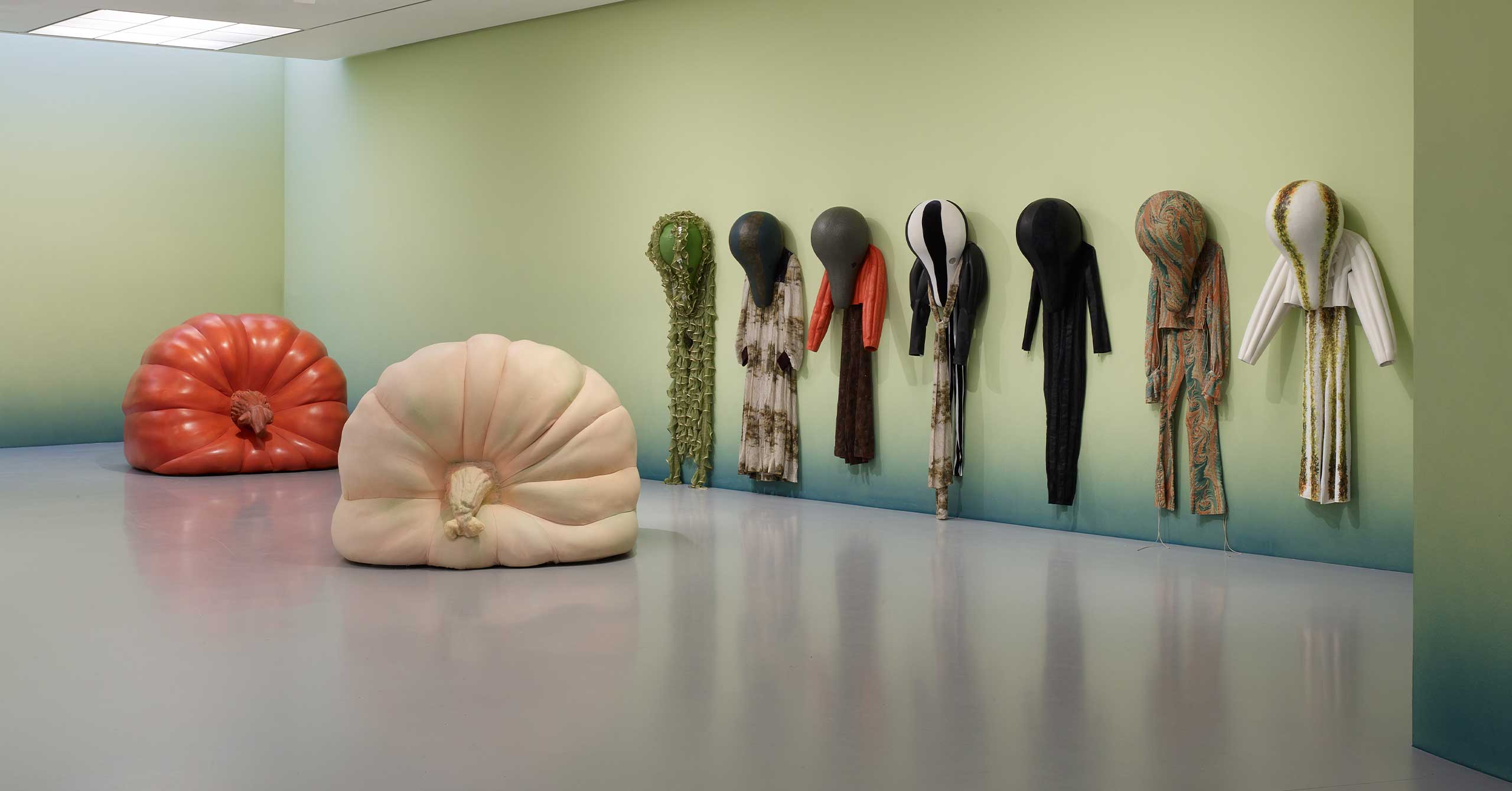
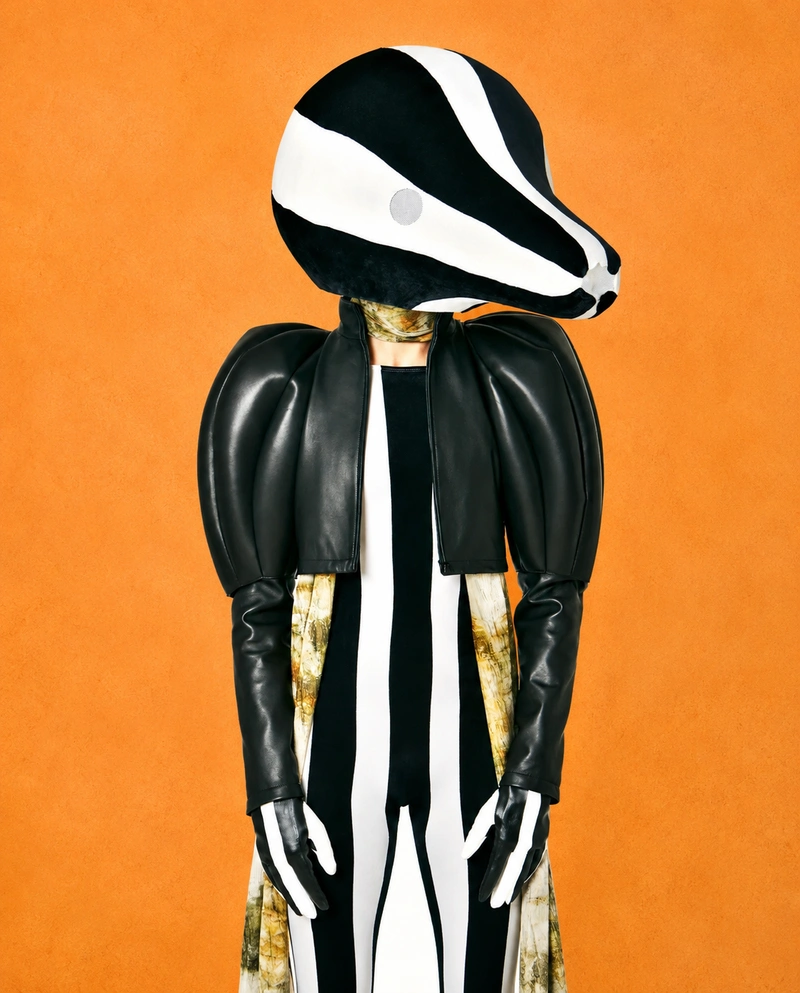
Moving aggressively beyond retail, Loewe sponsored and collaborated with British artist Anthea Hamilton for her 2018 Tate Britain commission, The Squash. This project existed entirely in the realm of pure performance art. Anderson and Hamilton designed seven spectacular, surrealist costumes featuring bulbous, squash-like silhouettes and intricate leatherwork. Performers inhabited these garments while interacting with the gallery space for six months. This flexed immense cultural capital. It signaled that Loewe collaborations allow the atelier to function seamlessly as a costume department for high-concept performance art, fusing the identities of a fashion house and a cultural institution.
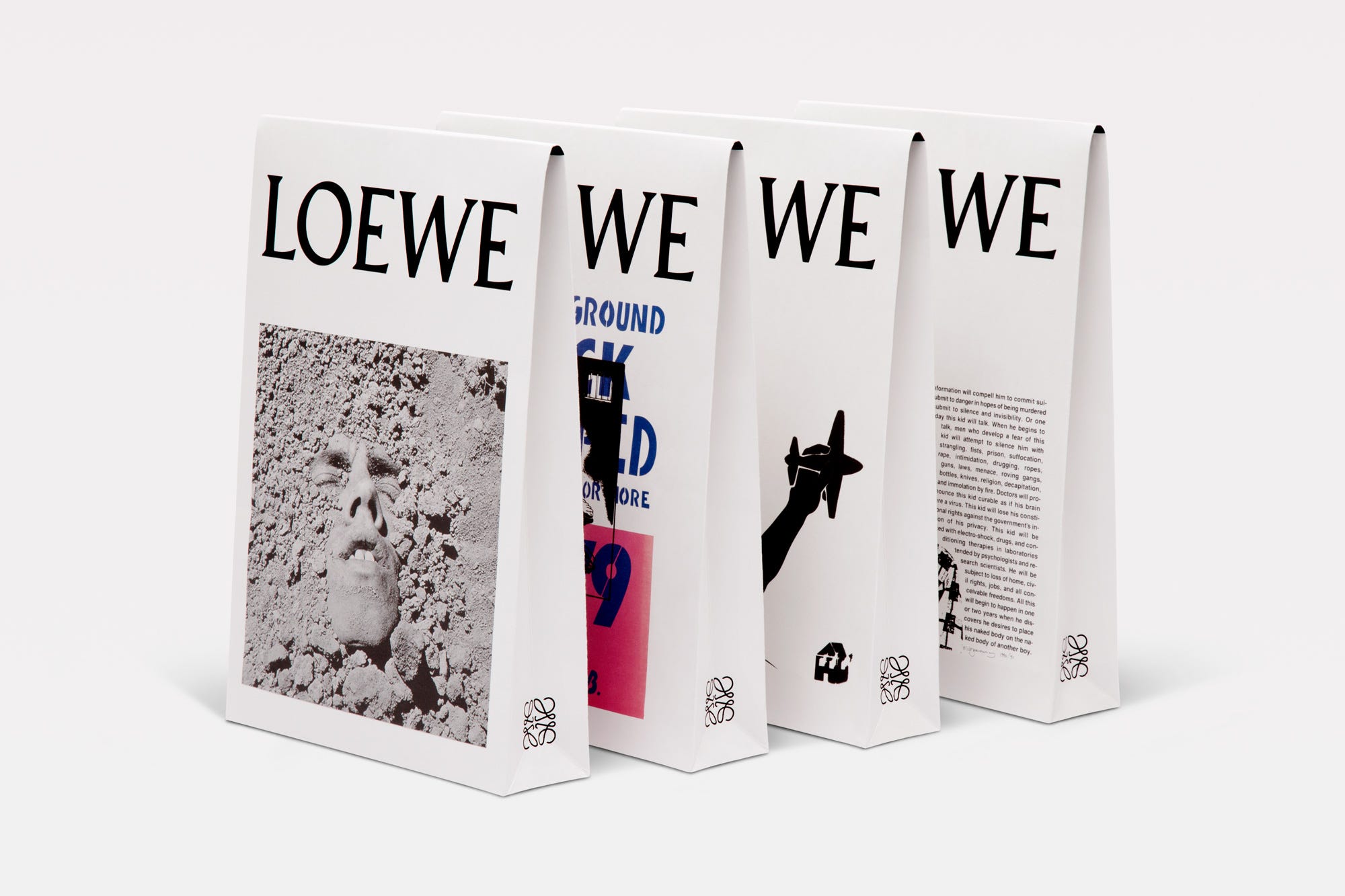
Embracing political friction, Loewe launched a strictly limited-edition run of 400 T-shirts in 2018 honoring the late queer artist and activist David Wojnarowicz. Featuring Wojnarowicz’s visceral, pain-soaked imagery, and generating vital funds for the charity Visual AIDS, this collaboration carried immense social weight. It was a bold, necessary acknowledgment of the AIDS crisis and a vibrant tribute to the queer artists affected by it. Selling out instantly, it demonstrated fashion’s power as a canvas for historical preservation and radical queer defiance.
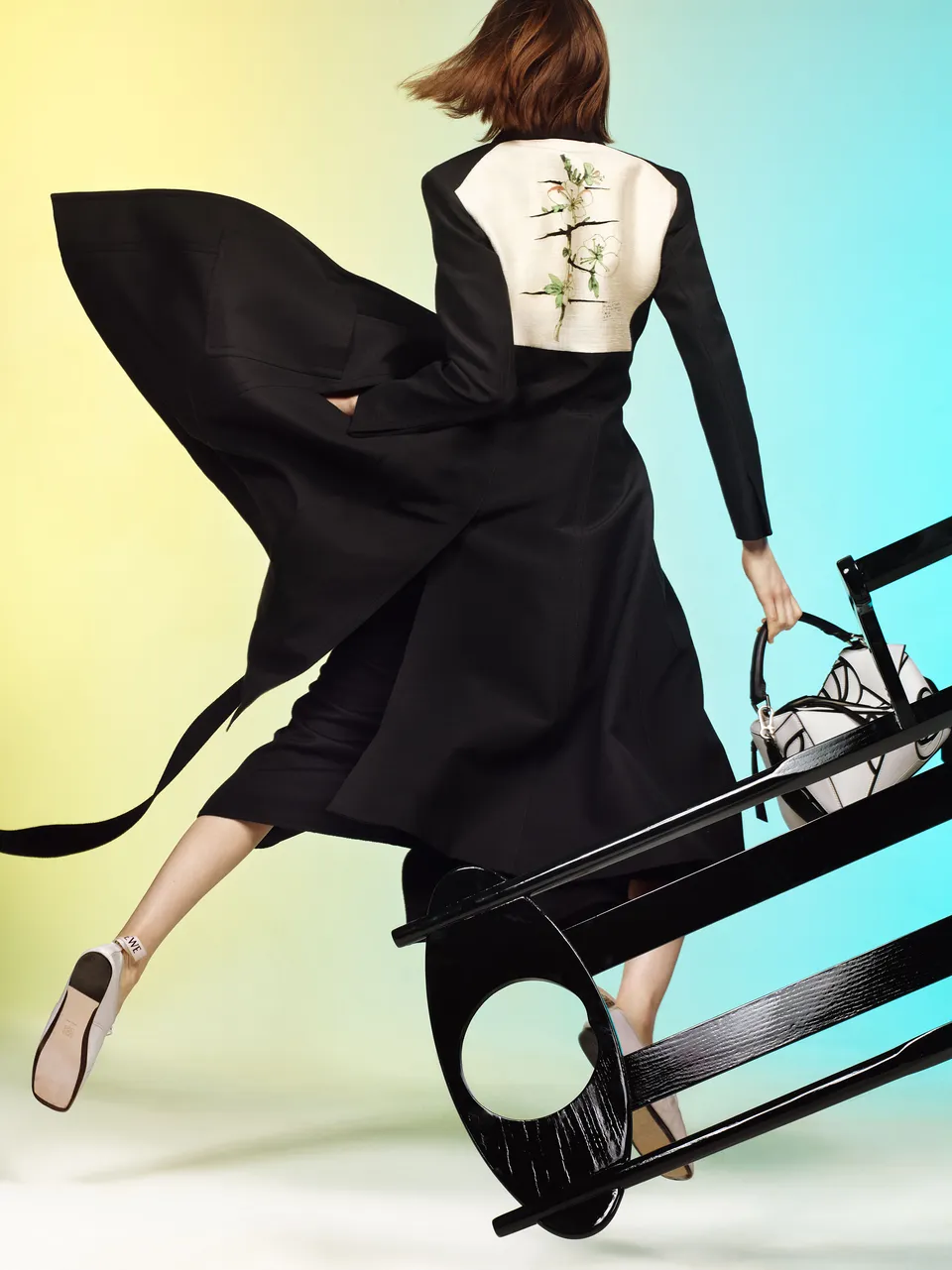
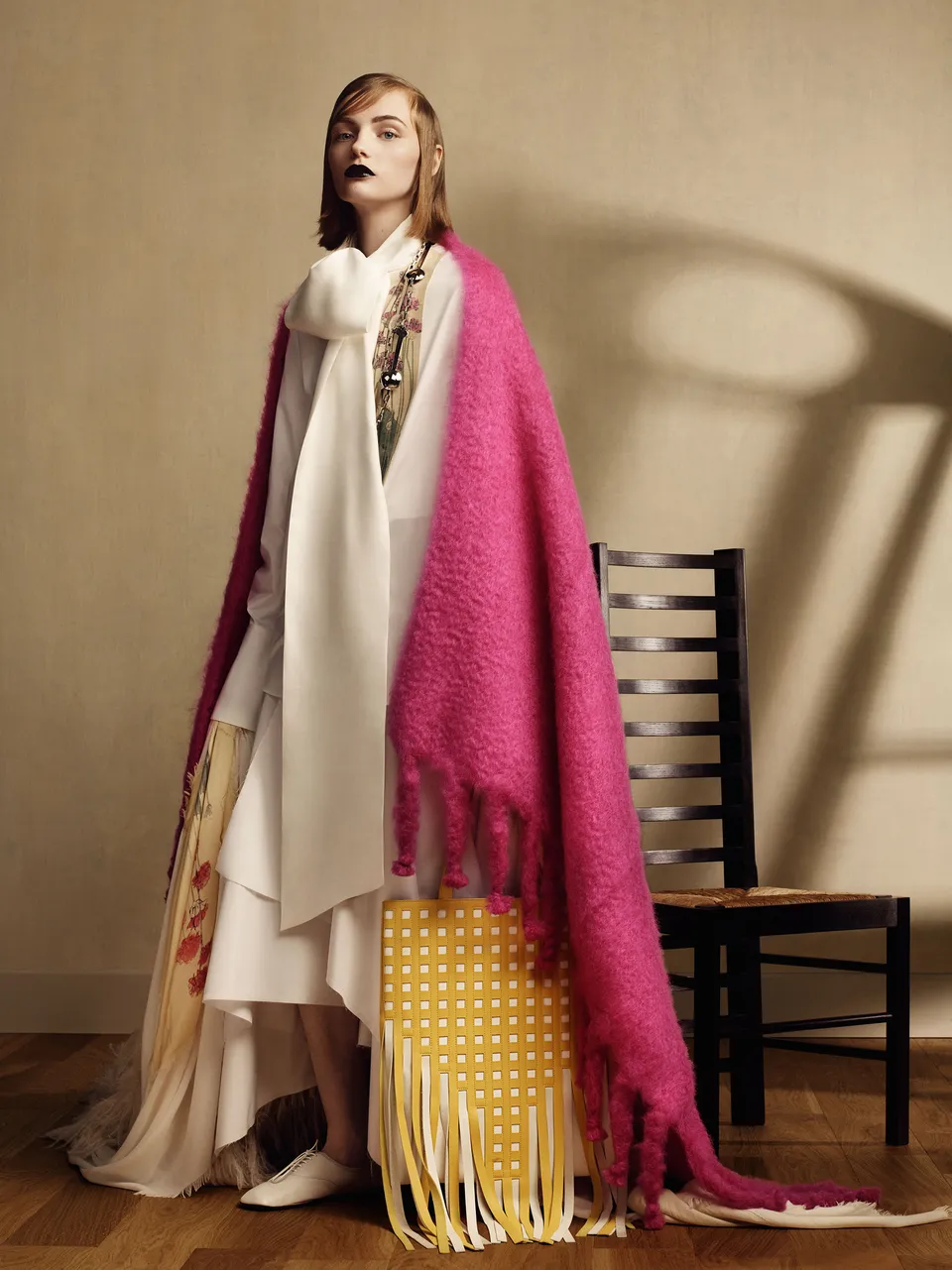
The Scottish architect Charles Rennie Mackintosh provided the perfect geometric synergy for the Spanish leather house in 2018. Mackintosh built his legacy on strict, rigid grids intertwined with delicate botanical roses. Loewe applied this exact philosophy to its leather goods. The Puzzle bag, already a masterpiece of cubic geometry designed by Anderson, transformed through intricate leather marquetry to feature Mackintosh’s botanical motifs. The result delivered a masterclass in structural design, a wearable building that resonated deeply with architecture scholars and fashion editors alike.
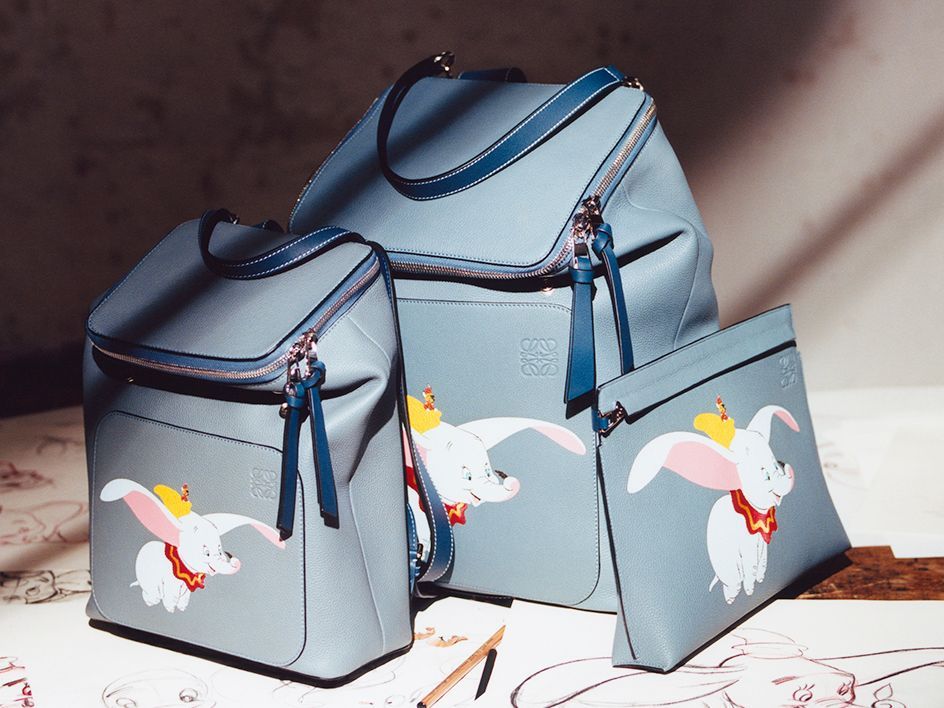
Released in tandem with Tim Burton’s live-action film, the 2019 Dumbo capsule treated the cartoon elephant with the reverence of a Renaissance painting. Utilizing their signature leather intarsia (marquetry) technique, artisans painstakingly hand-cut and jigsawed tiny, perfectly matched pieces of dyed leather to create Dumbo’s image flush against backpacks and Goya bags. It showcased pop-culture nostalgia executed with obsessive, old-world craftsmanship. It broke the internet, selling out globally within hours, proving that millennials and Gen Z will enthusiastically invest top-tier luxury prices for childhood memories wrapped in flawless execution.
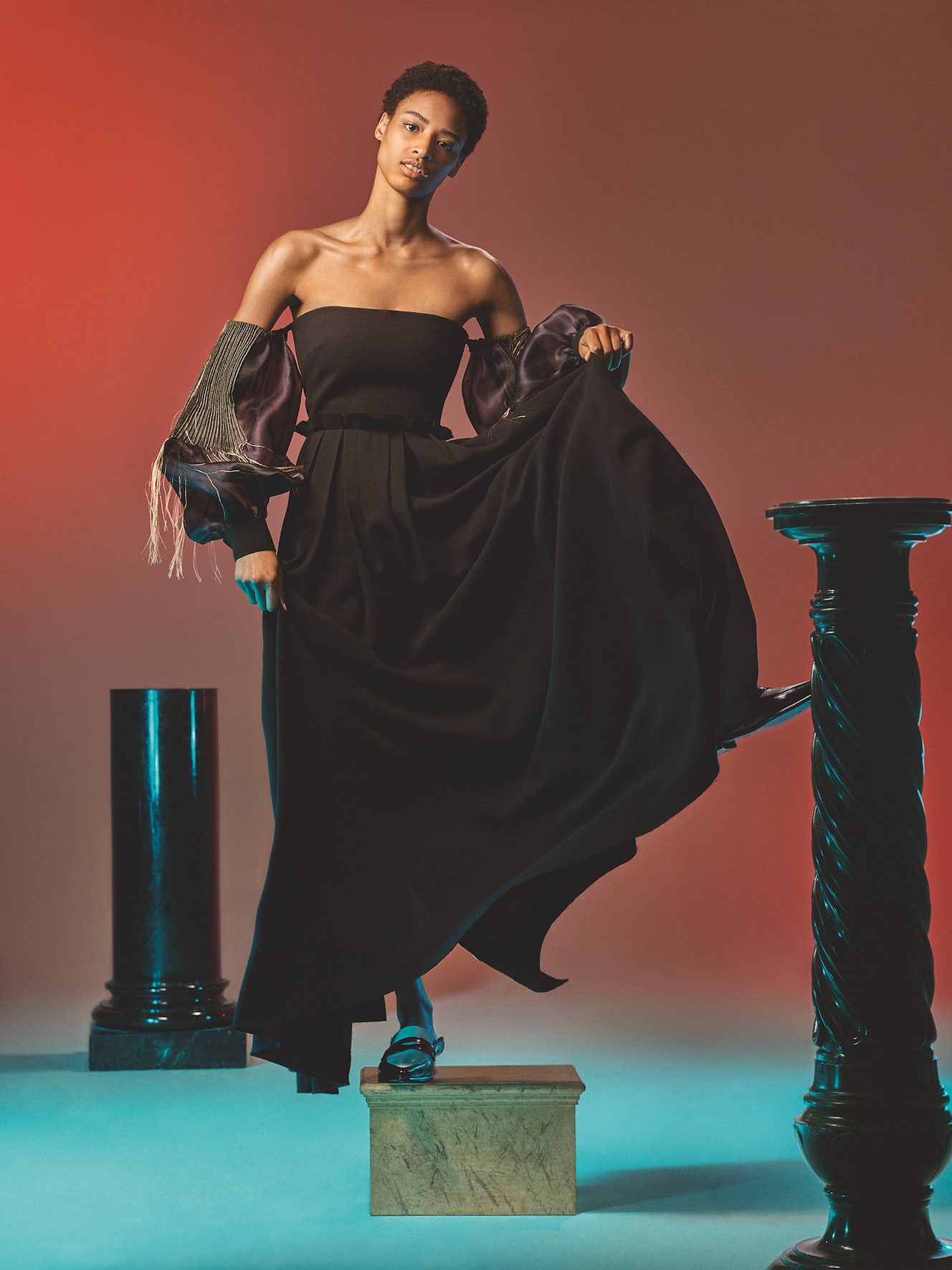
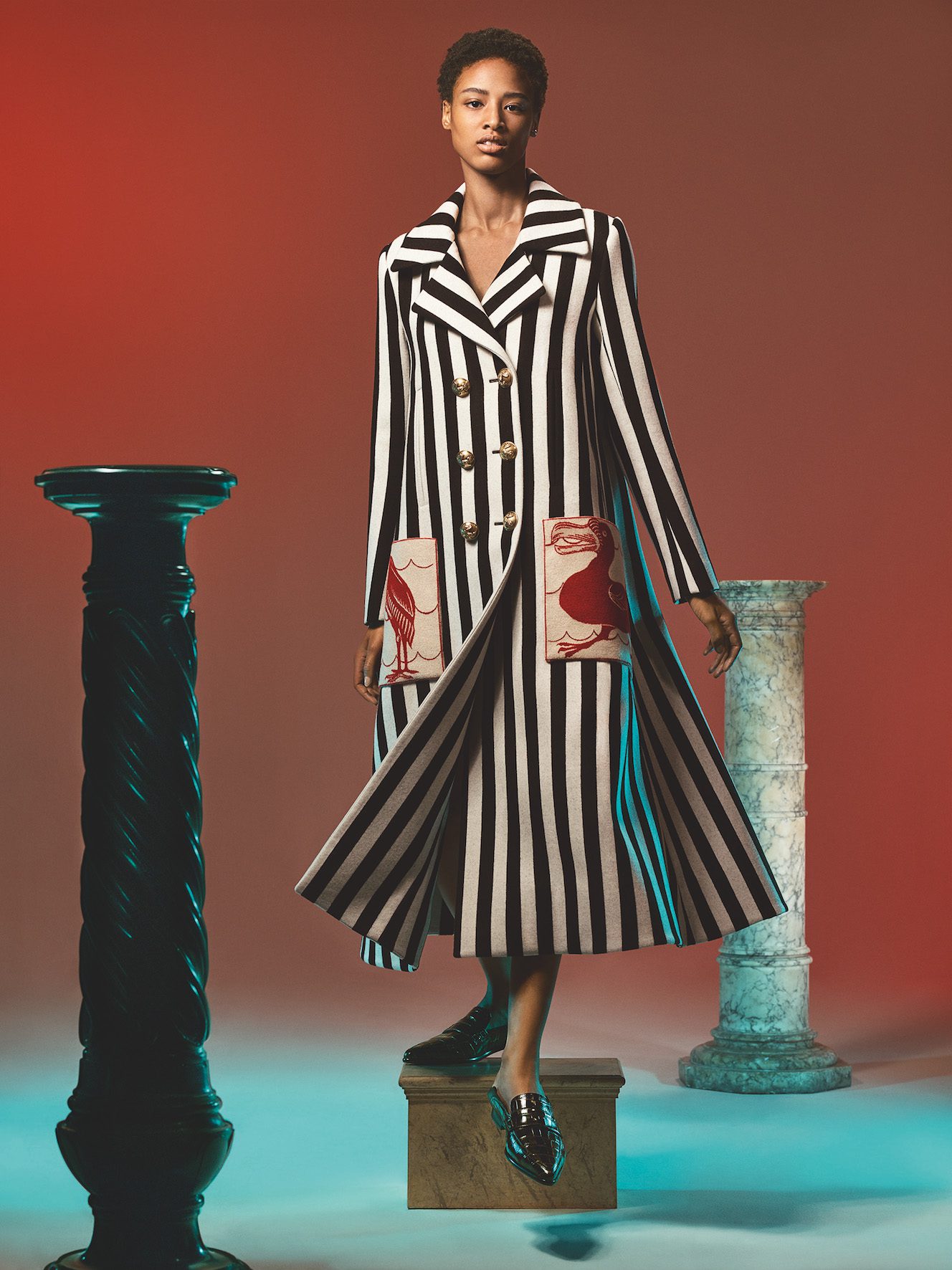
Diving deeper into the British Arts & Crafts movement, Loewe turned to William De Morgan, a master ceramicist known for his bizarre, fantastical creatures. The 2019 capsule collection unleashed an explosion of dodo birds, sprawling yellow florals, and peacock feathers. The true genius lay in the material translation. Artisans reimagined De Morgan’s smooth, glazed tile designs as incredibly heavy, tactile knitwear, oversized tapestry cloaks, and intricately embroidered leather. It championed a wild, maximalist, and deeply intellectual aesthetic, a thrilling alternative to the quiet-luxury trend dominating the market at the time.
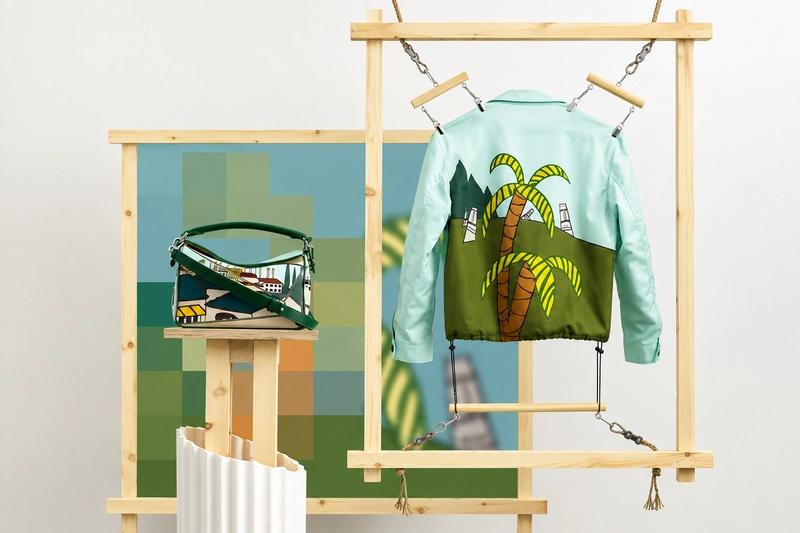
Loewe’s fascination with ceramic art reached the shores of Los Angeles through this brilliant partnership with the estate of Ken Price. Renowned for his biomorphic, hyper-colored sculptures, Price brought a surge of Californian, surf-adjacent optimism to the house. Anderson translated these vibrant landscapes, from Easter Island vistas to sun-drenched cityscapes, directly onto silk bowling shirts, canvas totes, and iconic leather bags. This collection achieved a breathtaking synthesis, fusing the discipline of Spanish leathercraft with the vivid, hedonistic warmth of the West Coast.
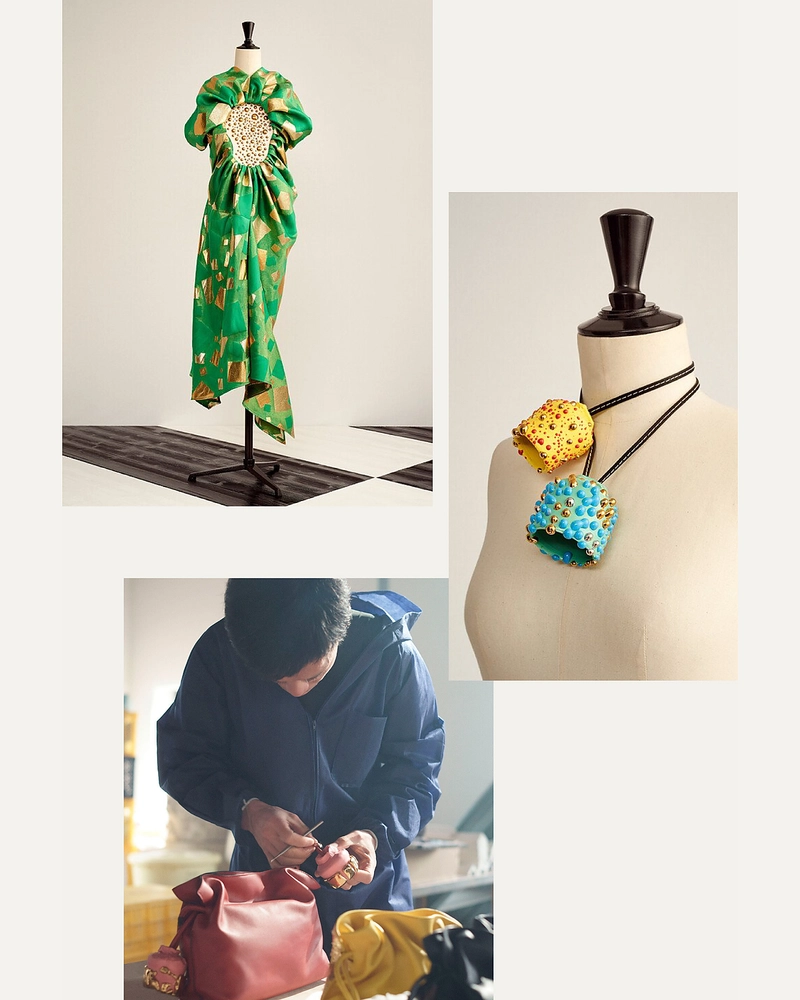
Closing this era is Loewe’s most profound runway integration: the 2020 collaboration with Japanese ceramicist Takuro Kuwata. Kuwata earned international acclaim for his chaotic, punk-like approach to the traditional Japanese tea bowl, utilizing a technique where thick glazes shrink, crack, and shiver (kairagi), yielding sharp metallic spikes. Loewe integrated these actual, heavy ceramic pieces directly into haute couture-level garments and Flamenco clutches. Models walked the runway adorned with heavy, gold-spiked ceramic breastplates and bag charms. It presented a spectacular collision of fragility and aggression. By mounting cracked ceramics onto soft, moving bodies, Loewe dissolved the final boundary between static craft and kinetic fashion.
Loewe collaborations completely utilized these partnerships as a cultural Trojan horse, introducing endangered techniques, queer history, radical performance art, and obscure ceramics into the closets of the global elite. Yet this was only the first act: Loewe collaborations from 2021 to the present would grow even more cinematic, viral, and emotionally collectible, turning Studio Ghibli fantasy, performance footwear, living plants, and modern art foundations into the next chapter of the house’s cultural conquest.
Advertisement