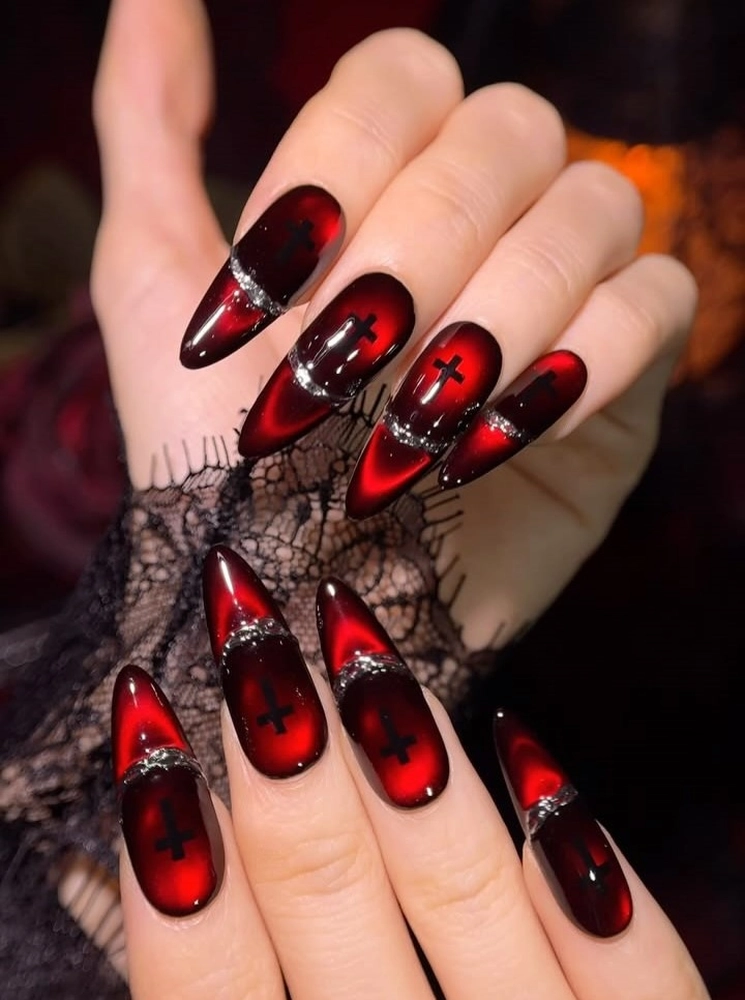
Gothic perfume lingers after the last candle dies. Eight dark creations summon haunted castles, dangerous roses, moonlit forests and deliciously wicked souls.
16 Gothic Perfumes That Could Summon the Dead (Part 1)
Gothic perfume lingers after the last candle dies. Eight dark creations summon haunted castles, dangerous roses, moonlit forests and deliciously wicked souls.
October 18, 2026
Advertisement

Advertisement



Halloween leaves a trail of candle smoke, damp roses, deserted ballrooms and forests breathing beneath moonlight. Gothic fragrance gives these imaginary places a pulse, lingering on skin as an invisible costume. Eight fragrances invite their wearers into worlds of decadence, loss, dangerous desire and supernatural enchantment.
Read Part 2 here.
Tom Ford Black Orchid: The Velvet Vampire
Tom Ford launched Black Orchid in 2006 as the first fragrance bearing his name, establishing the sensual direction of his independent beauty empire. Perfumers David Apel and Pierre Negrin developed its fictional black orchid accord, surrounding the flower with earthy black truffle, lush fruit, patchouli and dark gourmand warmth.
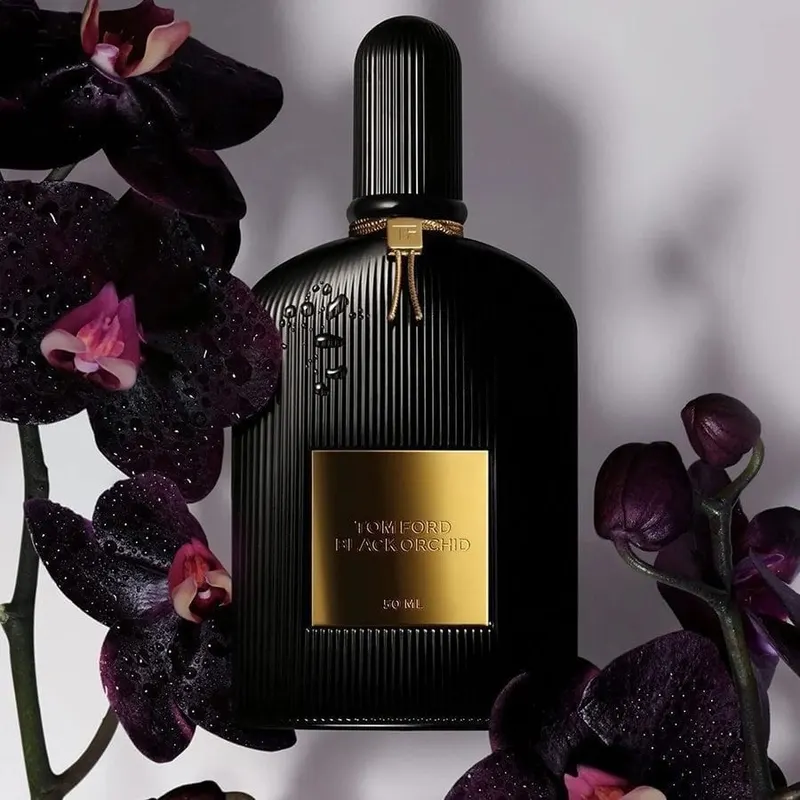
Its ribbed black bottle resembles an heirloom discovered inside a velvet lined cabinet. On skin, the voluptuous floral heart seems to unfold during a midnight banquet, where every guest harbors an extravagant secret.
Frédéric Malle Portrait of a Lady: The Mourning Widow
A black veil brushes the staircase of an ancestral mansion. Beneath it floats the astonishing rose of Portrait of a Lady, created in 2010 by Dominique Ropion for Frédéric Malle. Malle's publishing approach gave perfumers visible authorship and ample freedom to develop complex compositions. Ropion assembled Turkish rose, patchouli, incense and sandalwood into a richly textured floral chypre.
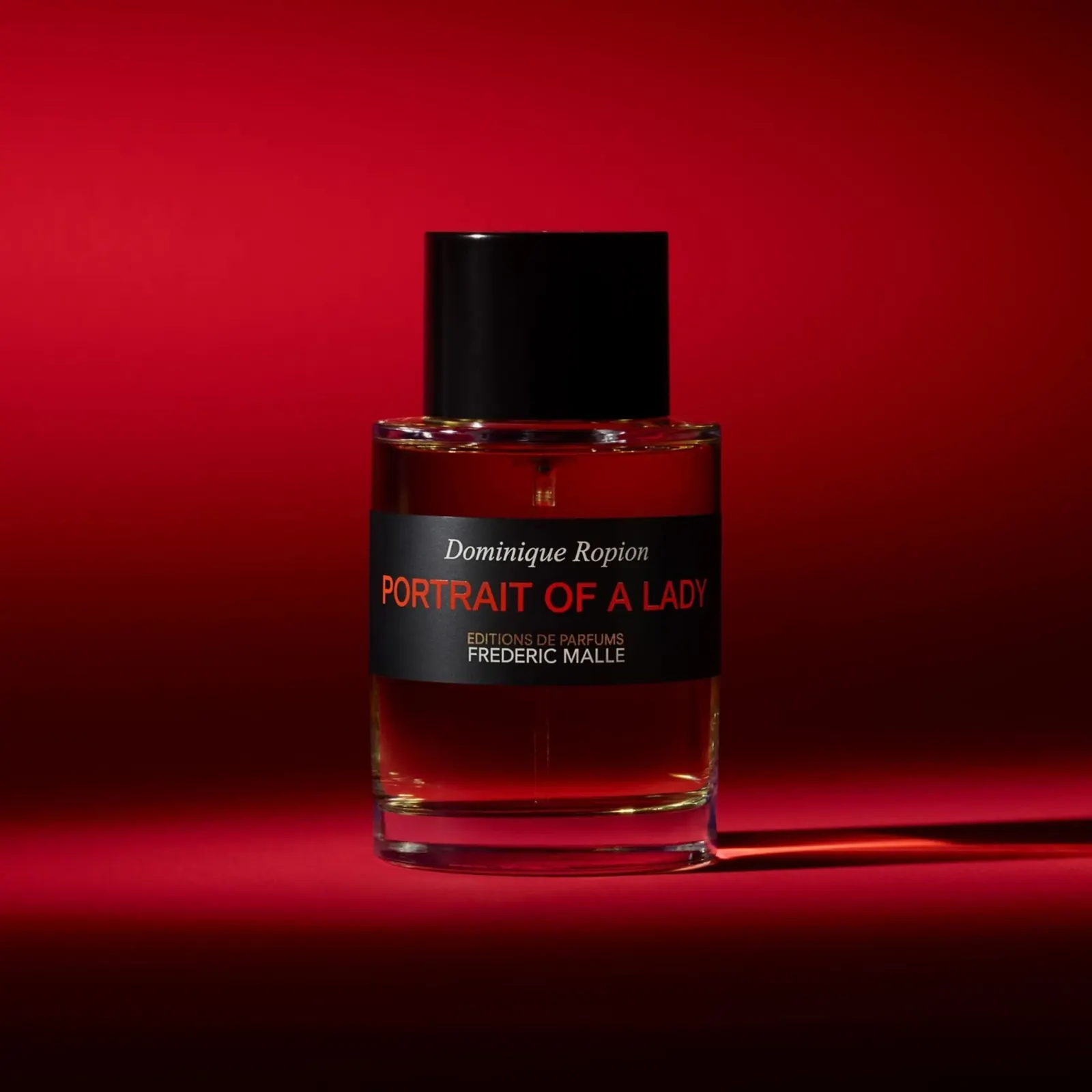
The house estimates that hundreds of roses contribute to a bottle, an extravagance felt in the perfume's saturated floral presence. In 2026, the creation entered The Fragrance Foundation Hall of Fame, recognizing its lasting cultural importance.
Serge Lutens La Fille de Berlin: The Wounded Rose
A crimson rose rests on cold pavement, its petals scattered by an approaching storm. Serge Lutens introduced La Fille de Berlin in 2013, imagining a woman shaped by vulnerability and endurance. Lutens brought years of experience in photography, cosmetics and visual storytelling to his fragrance house, treating perfumes as portraits of emotionally intricate figures.
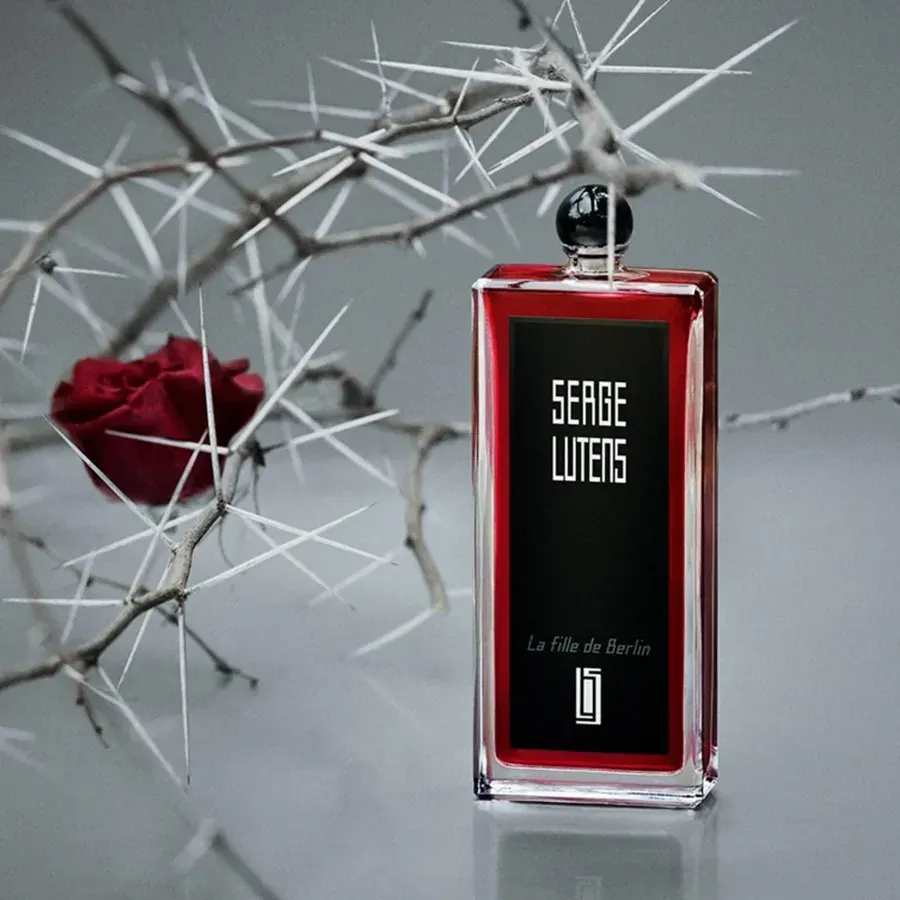
Here, rose and pepper form an arresting relationship: lush floral sweetness develops a piercing, almost metallic edge. The red liquid appears startling inside its transparent bottle, echoing the fragrance's fierce romantic imagery. This character walks through a deserted city carrying a bouquet whose thorns tell stories of survival.
Kilian Black Phantom: The Cursed Captain
Deep beneath the deck of a ghost ship, a captain pours another measure of rum into his coffee. Kilian Hennessy's family heritage in cognac inspired his fragrance house's fascination with intoxicating ingredients. Perfumer Sidonie Lancesseur shaped Black Phantom, launched in 2017, around rum, roasted coffee, sugarcane and creamy woods, with a bitter almond suggestion evoking an imaginary poisonous drink.
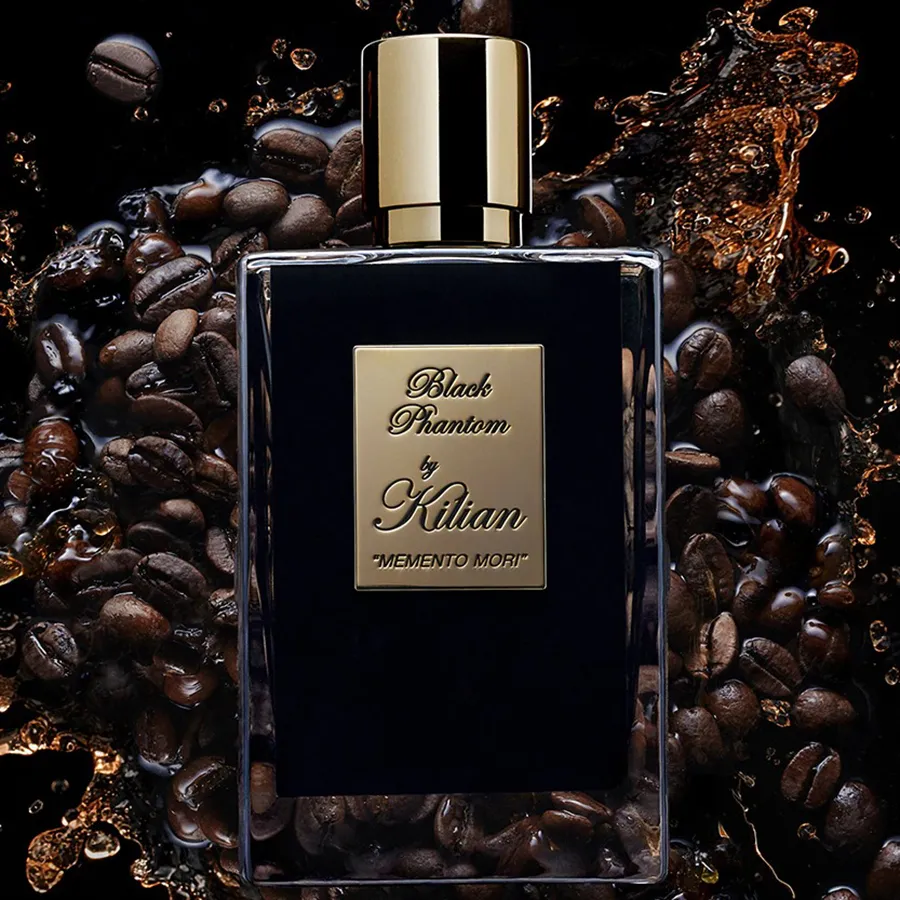
Its subtitle, Memento Mori, invokes the reminder of mortality, while skull imagery transforms the bottle into an object fit for a pirate's private collection. Sweetness rises through the dark composition like treasure hidden below the waves.
Zoologist Moth: The Fatal Flame
An abandoned mansion stirs as a moth circles the final candle. Japanese perfumer Tomoo Inaba developed Moth for Zoologist in 2018, drawing from an earlier experiment called Kagaribi, inspired by an old Japanese poem about watchfires. Founder Victor Wong's animal centered concept encouraged Inaba to turn nocturnal instinct into scent. Black pepper and clove introduce restless movement, followed by powdery iris, rose and honey. Smoke, resins and woods gather underneath, suggesting dusty curtains and flames consuming their delicate visitor.
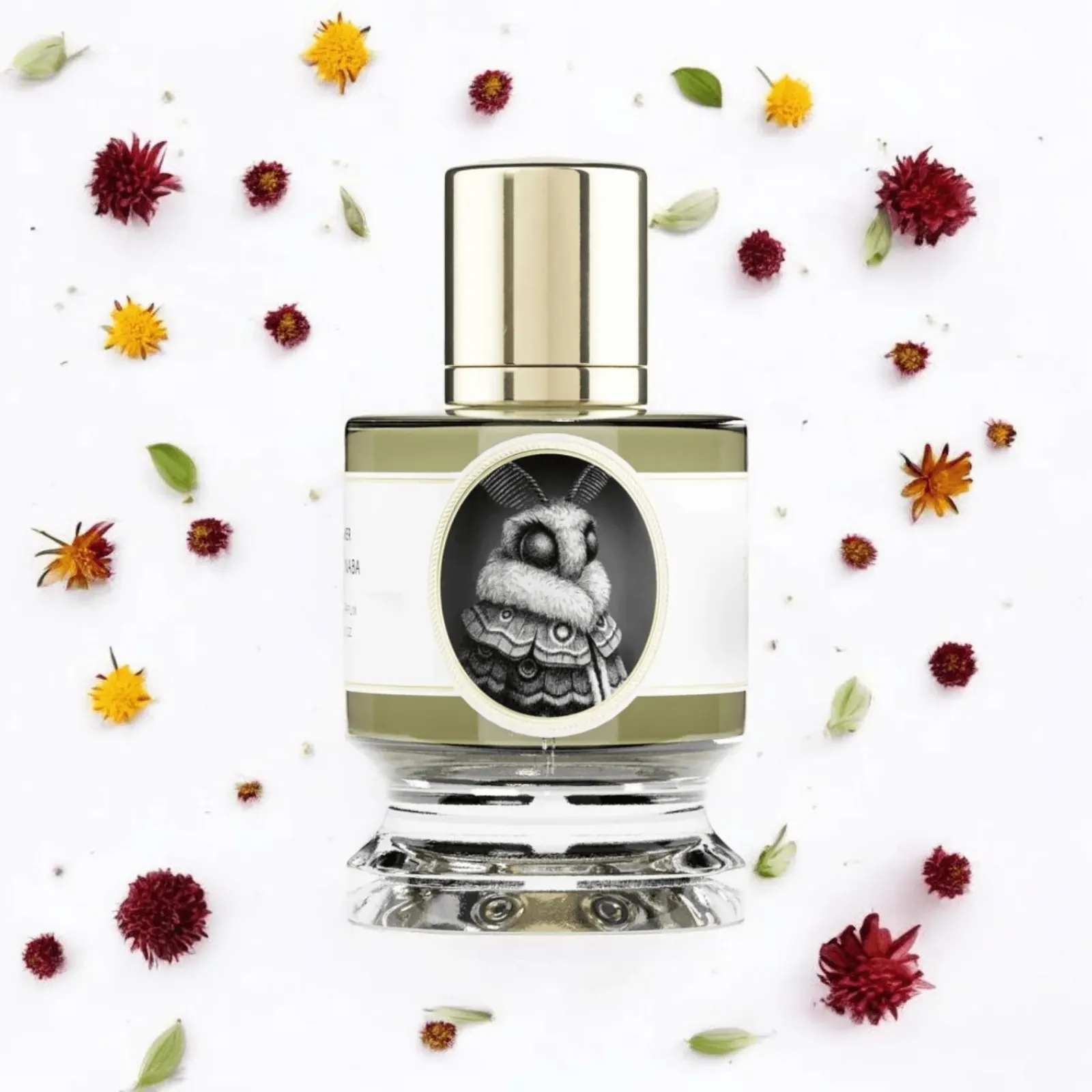
Inaba's earlier Zoologist project, Nightingale, helped open professional opportunities for him. Moth carries that creative partnership into a beautifully unsettling meditation on attraction and danger.
Heretic Nosferatu: The Forgotten Castle
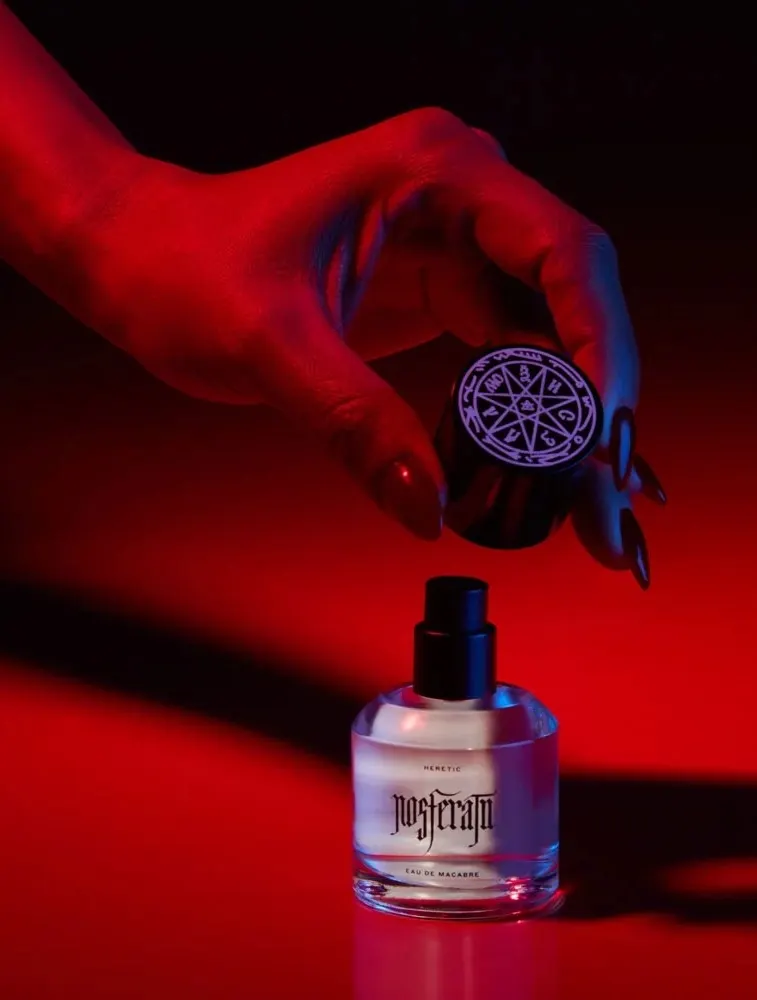
Rain seeps through castle walls as lilacs bloom beneath a shuttered window. Douglas Little created Heretic's Nosferatu fragrance for the 2024 Robert Eggers film, translating cinematic dread into an olfactory setting. Little explored the atmosphere of an isolated nineteenth century residence, combining pale violet and lilac with petrichor, orris, earthy cypriol and shadowy labdanum.
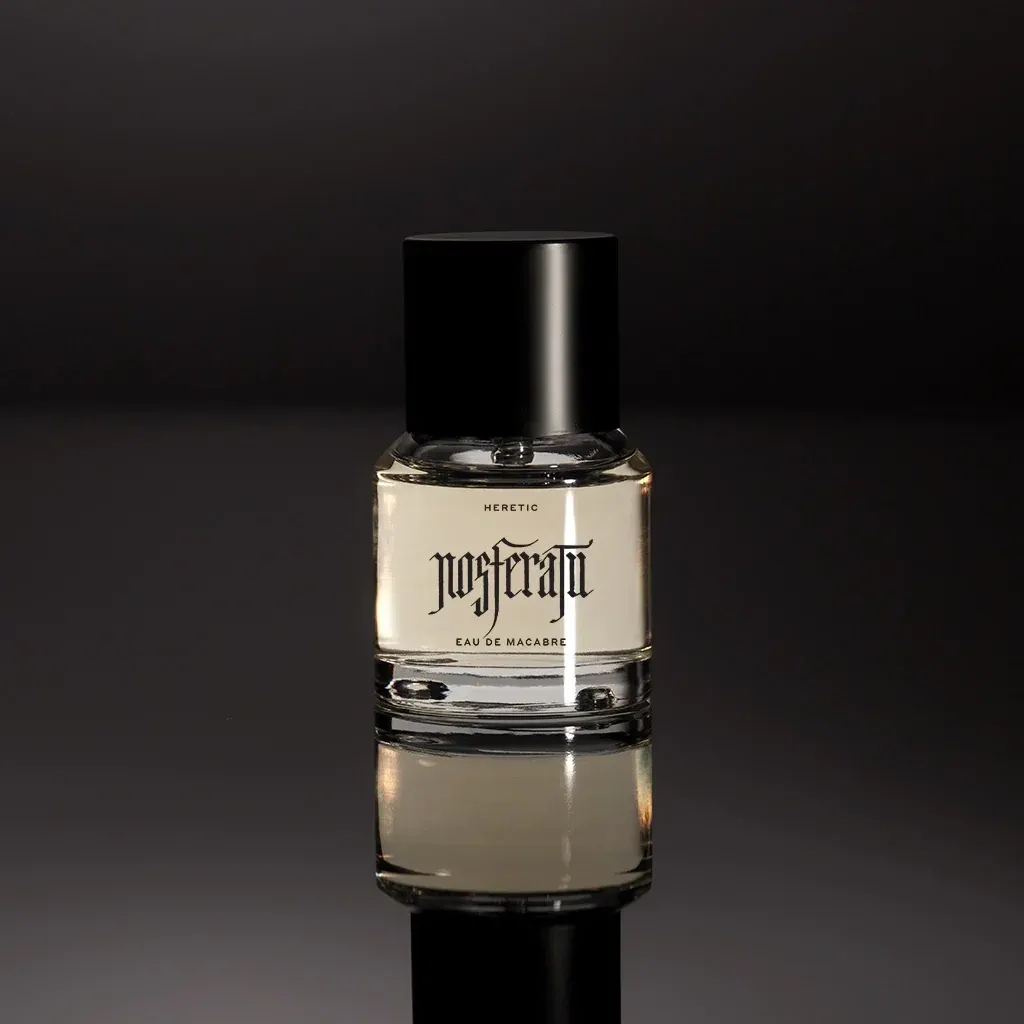
The collaboration connected independent perfumery directly with horror cinema, giving moviegoers an imaginary scent for Count Orlok's world. Damp stone, cold flowers and abandoned rooms seem to unfold with every spray. The wearer becomes a visitor exploring the castle long after its doors should have closed.
Wolf Brothers Wolf: The Moonlit Predator
In Poland's Bieszczady Mountains, branches crack beneath an unseen animal. Wolf Brothers built its niche identity around wilderness and folklore, asking perfumer Jennifer Jambon to interpret the wolf through scent. Released in 2021, Wolf opens with spicy red pepper, plum and cardamom before revealing pine, fir balsam, cedar and incense. Leather, oakmoss and amber bring a warm animal presence to the forest floor.
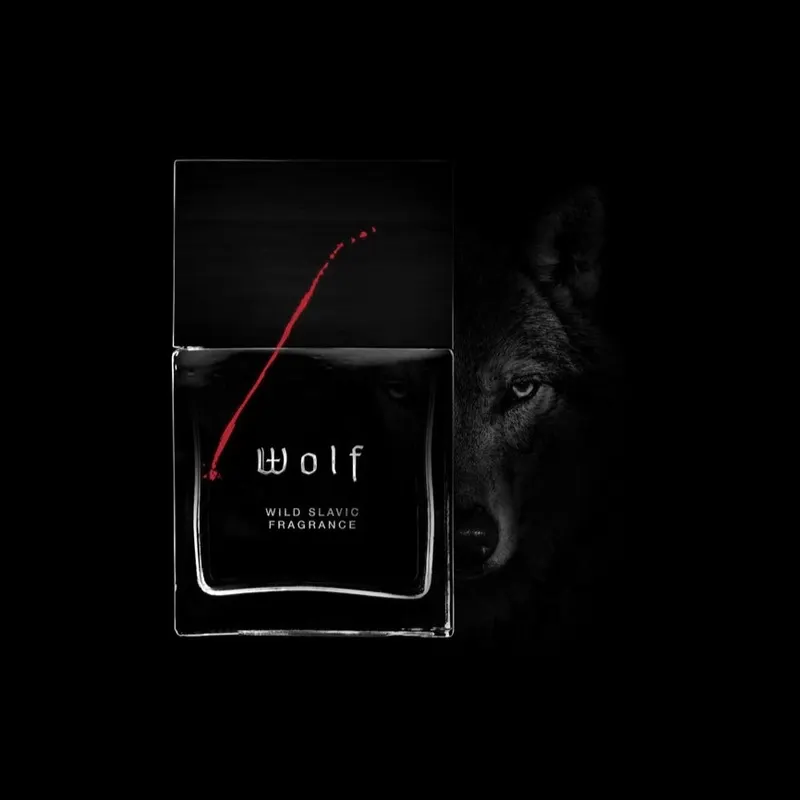
The original collection established the house's nature driven mythology, with an intensified Wolf Extrait following in 2024. A single spray conjures moonlight between trees and the thrilling sense of another creature moving nearby.
Comme des Garçons Avignon: The Gothic Cathedral
Inside a deserted Gothic cathedral, incense smoke coils beneath vaulted ceilings, carrying centuries of prayers through the darkness. Created by perfumer Bertrand Duchaufour in 2002, Comme des Garçons Avignon belongs to the house's Series 3: Incense, a collection exploring five spiritual traditions through fragrance.
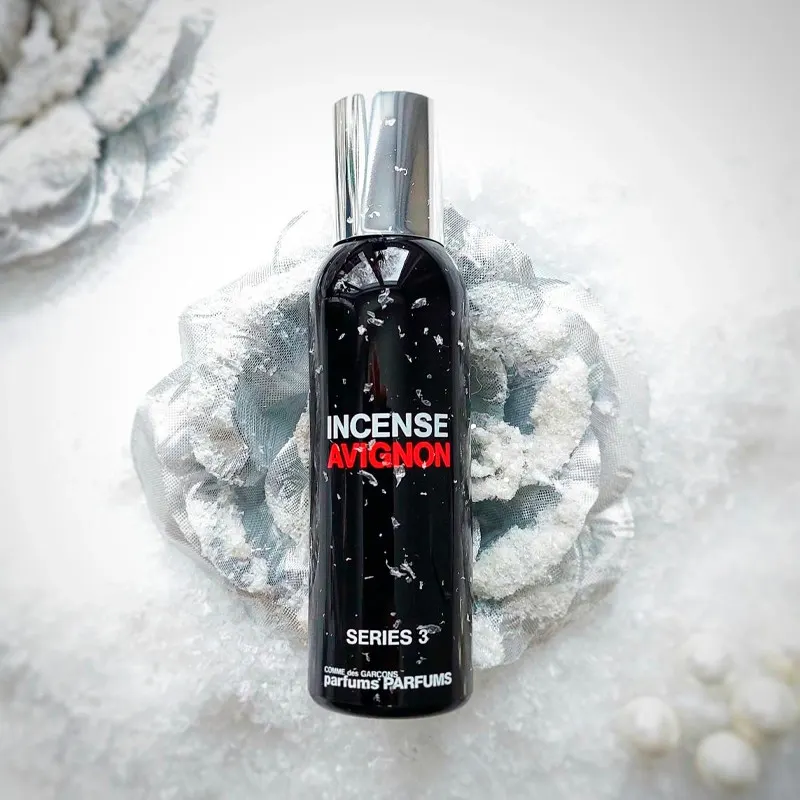
Inspired by Avignon's Catholic heritage, Duchaufour constructed an atmospheric composition of frankincense, Roman chamomile, elemi, cistus, patchouli and rosewood. Resinous smoke suggests ancient wooden pews, cold stone and extinguished candles. Its achievement lies in transforming sacred architecture into scent, making this enduring niche classic an exquisite expression of Gothic solemnity.
The finest gothic costume can dissolve into perfume. Long after makeup fades and the candle burns low, a trace of rose, smoke or wet earth preserves the night's invented identity. Perfumers give darkness its own language, and Halloween provides an irresistible stage for speaking it.
Advertisement