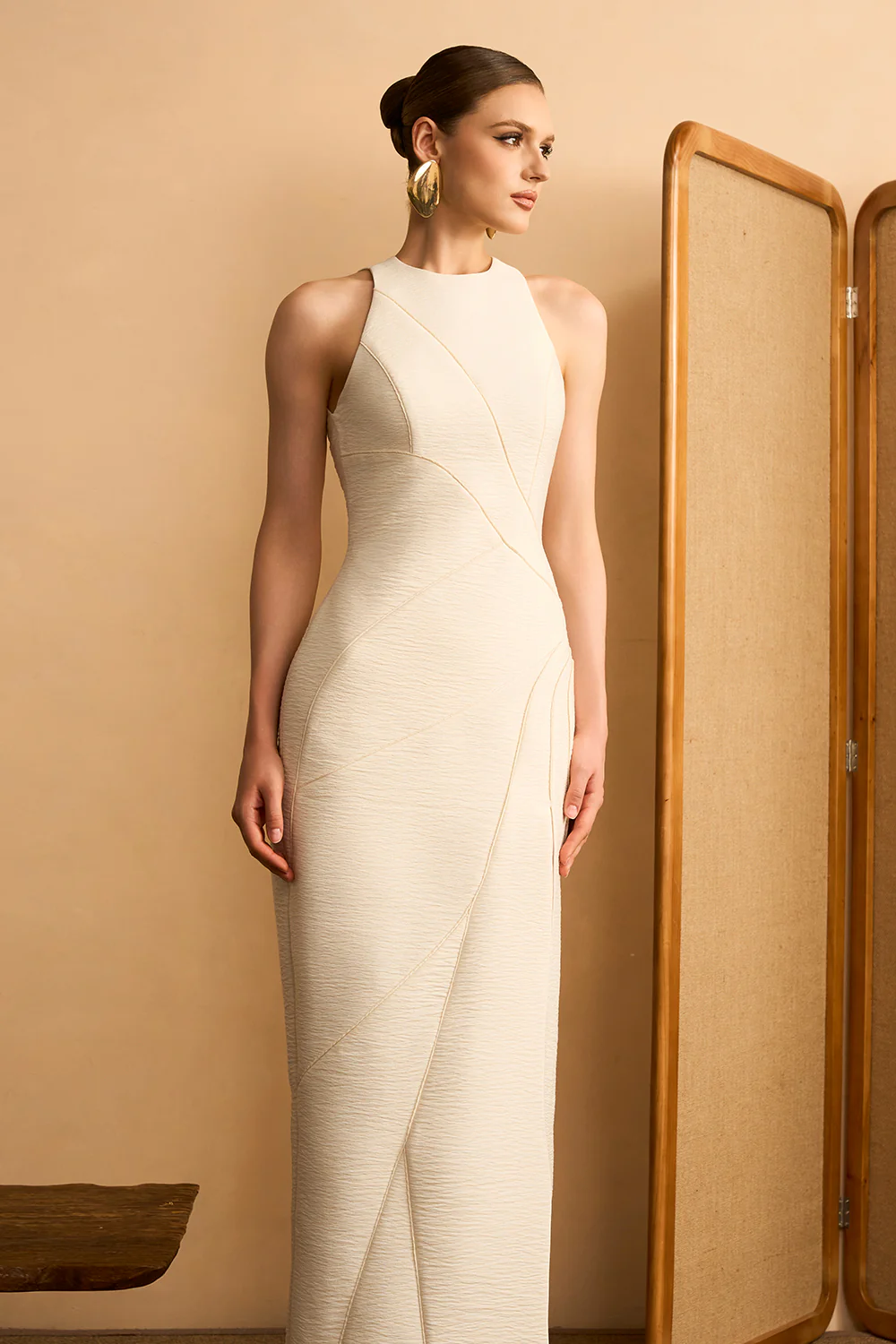
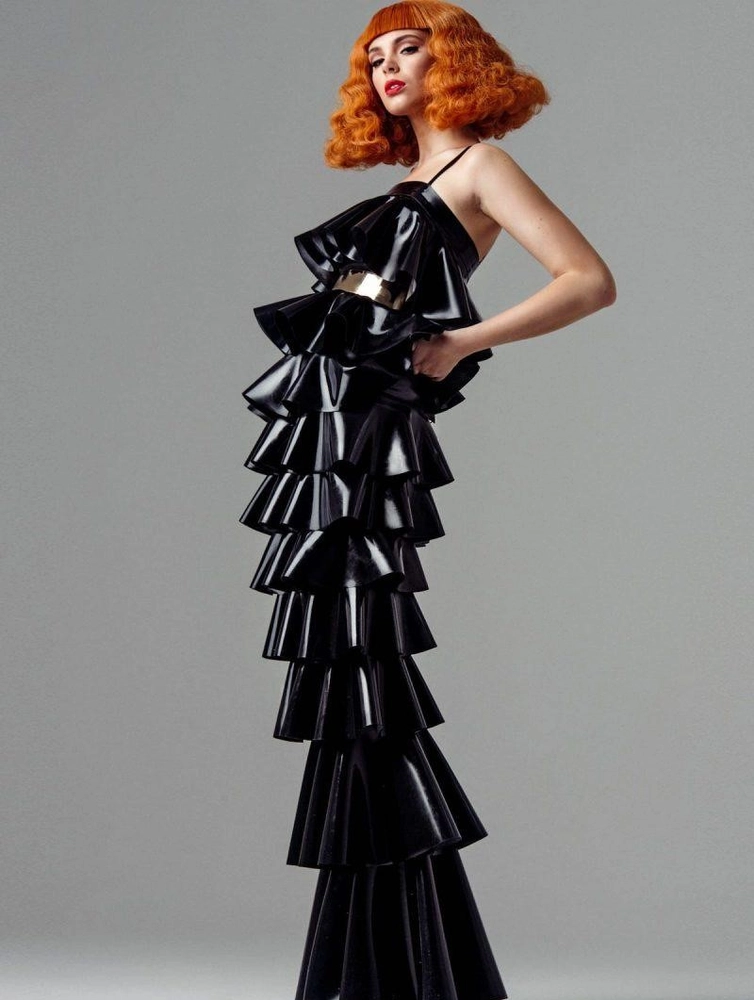
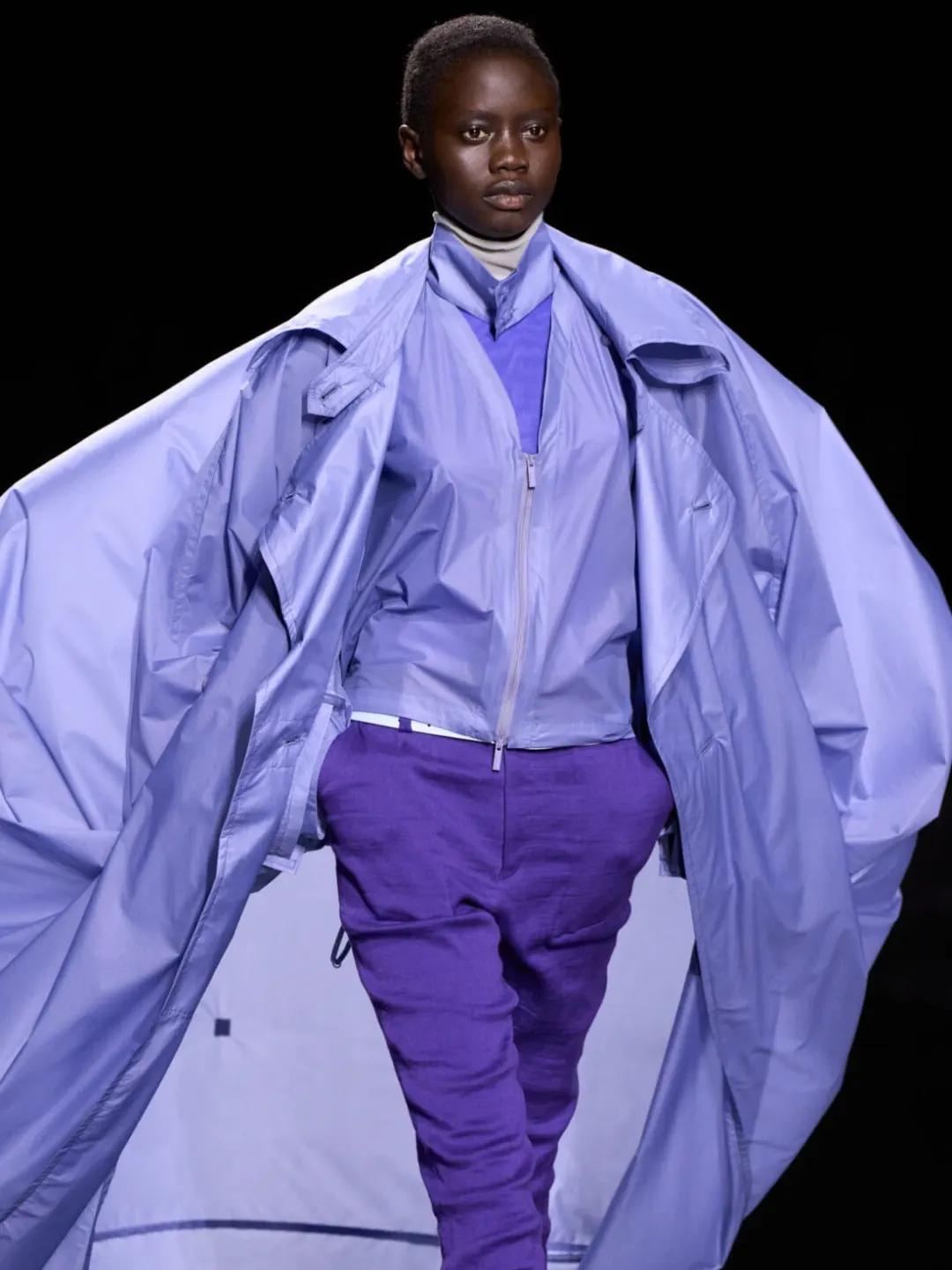
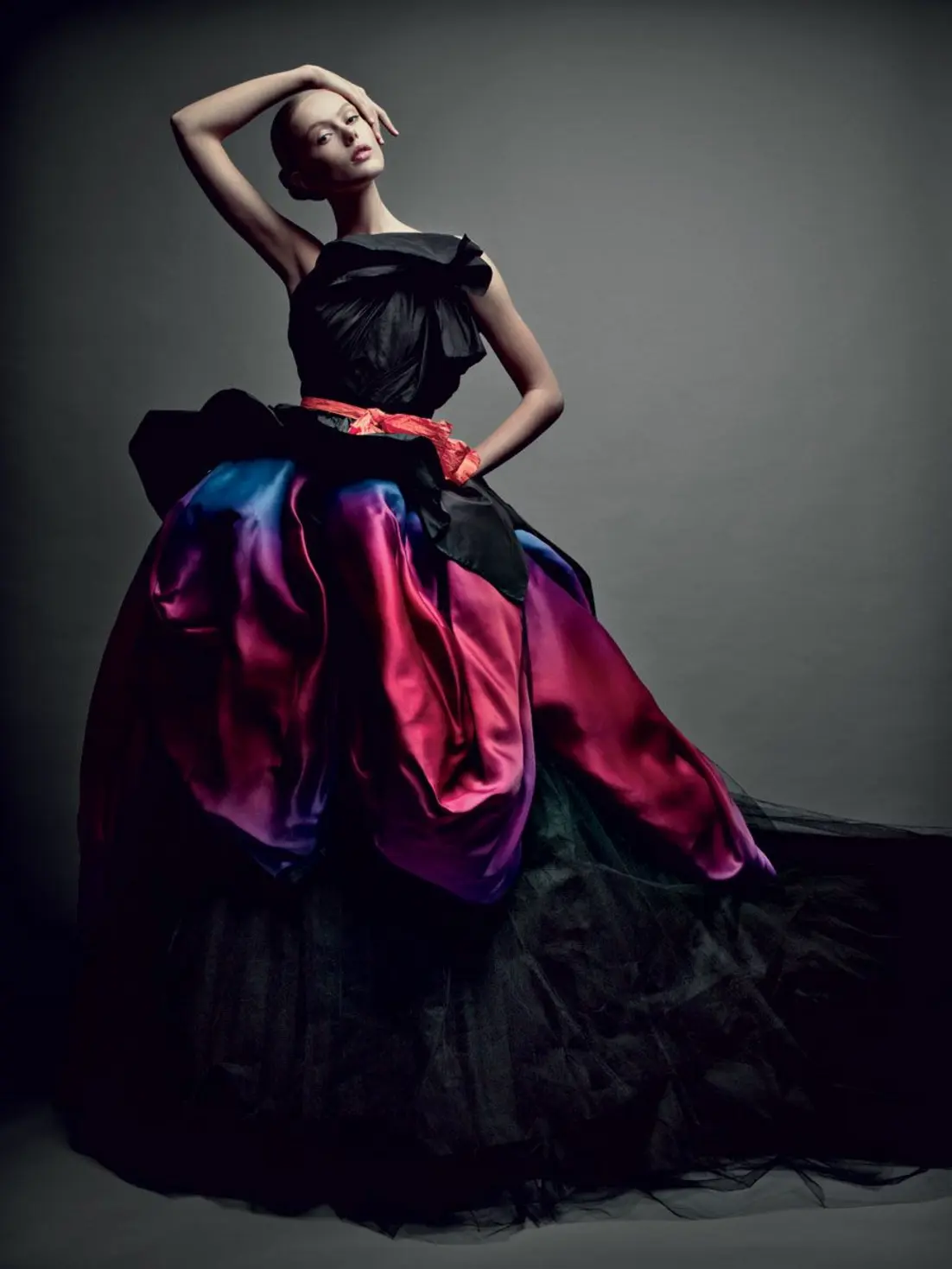
The ballgown silhouette is never just about volume. From the tight-laced corsets of the 19th century to the ethereal grandeur of a Dior ballgown or a modern Balenciaga ballgown, it remains fashion’s most powerful declaration, a form that turns presence into spectacle.
Crowning Glory: When the Ballgown Takes the Throne
The ballgown silhouette is never just about volume. From the tight-laced corsets of the 19th century to the ethereal grandeur of a Dior ballgown or a modern Balenciaga ballgown, it remains fashion’s most powerful declaration, a form that turns presence into spectacle.
October 15, 2025
Advertisement
Advertisement



The Ghost of the Dress
There is a near-sacred scent that clings to a forgotten ballgown dress, the dust and perfume of time itself, mingling faded fragrance with the must of silk and tulle. It carries with it the echo of a thousand waltzes, whispered secrets, and glittering declarations. Standing before such a dress is not only a journey through fashion’s past, but through time itself. The gown is not merely an object; it is a vessel, preserving the essence of an entire era.
For centuries, the ballgown silhouette has reigned as queen of ceremony, passed from monarchs to socialites to Hollywood sirens. To dismiss it as a relic is to overlook its greatest quality: endurance. In an age of fast fashion and fleeting hashtags, the ball gown towers like a monument to permanence, insisting that some moments deserve thousands of yards of fabric, thousands of hours of handwork, thousands of crystals catching the light.
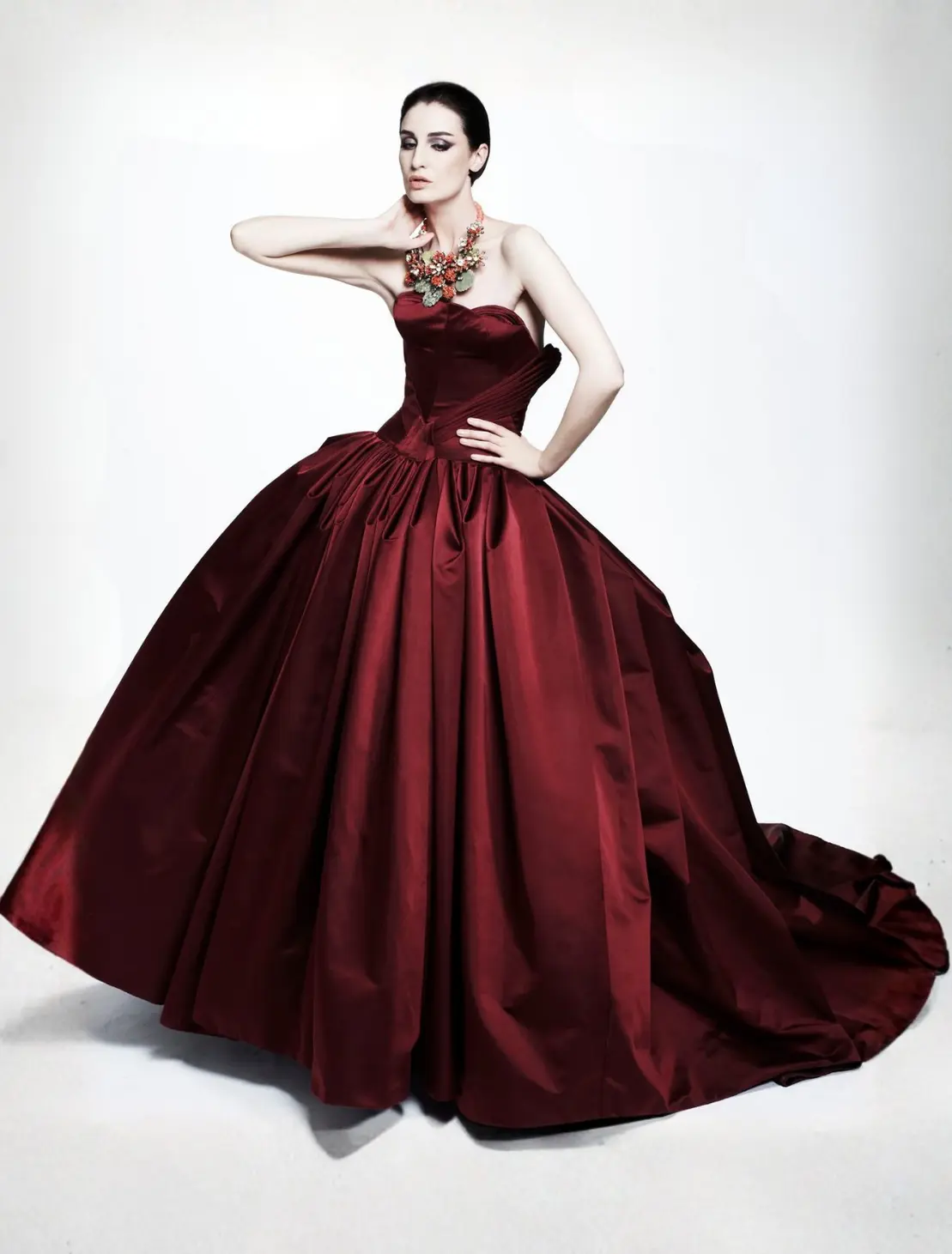
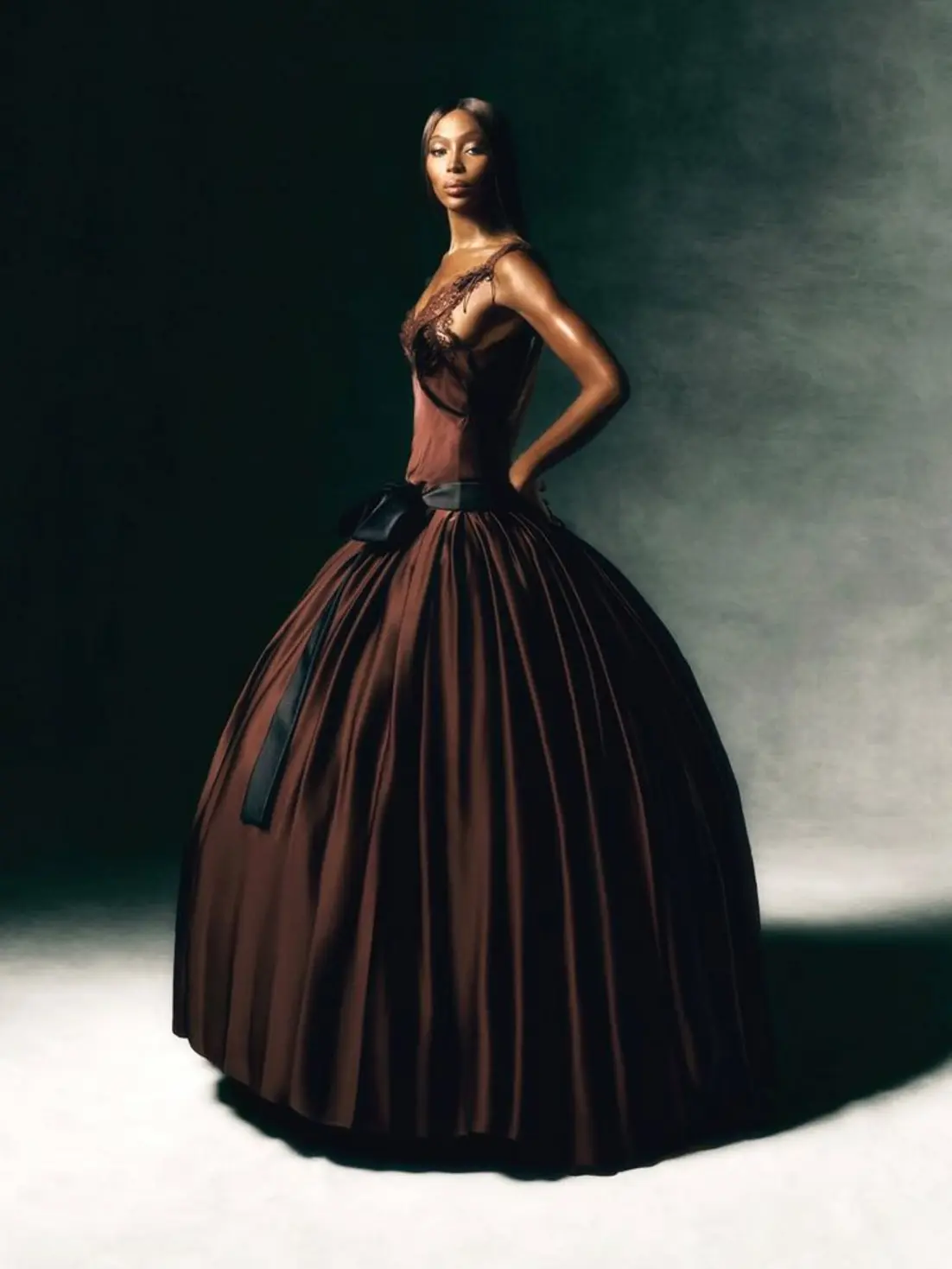
From the imprisoning crinolines of the 19th century to Dior’s postwar explosions of silk in 1947, the ball gown has been both shackle and stage. Layers of volume did not merely display wealth — they carved out literal space for women in a crowd, creating a “bubble” of protection and dominance.
The Architecture of Aspiration
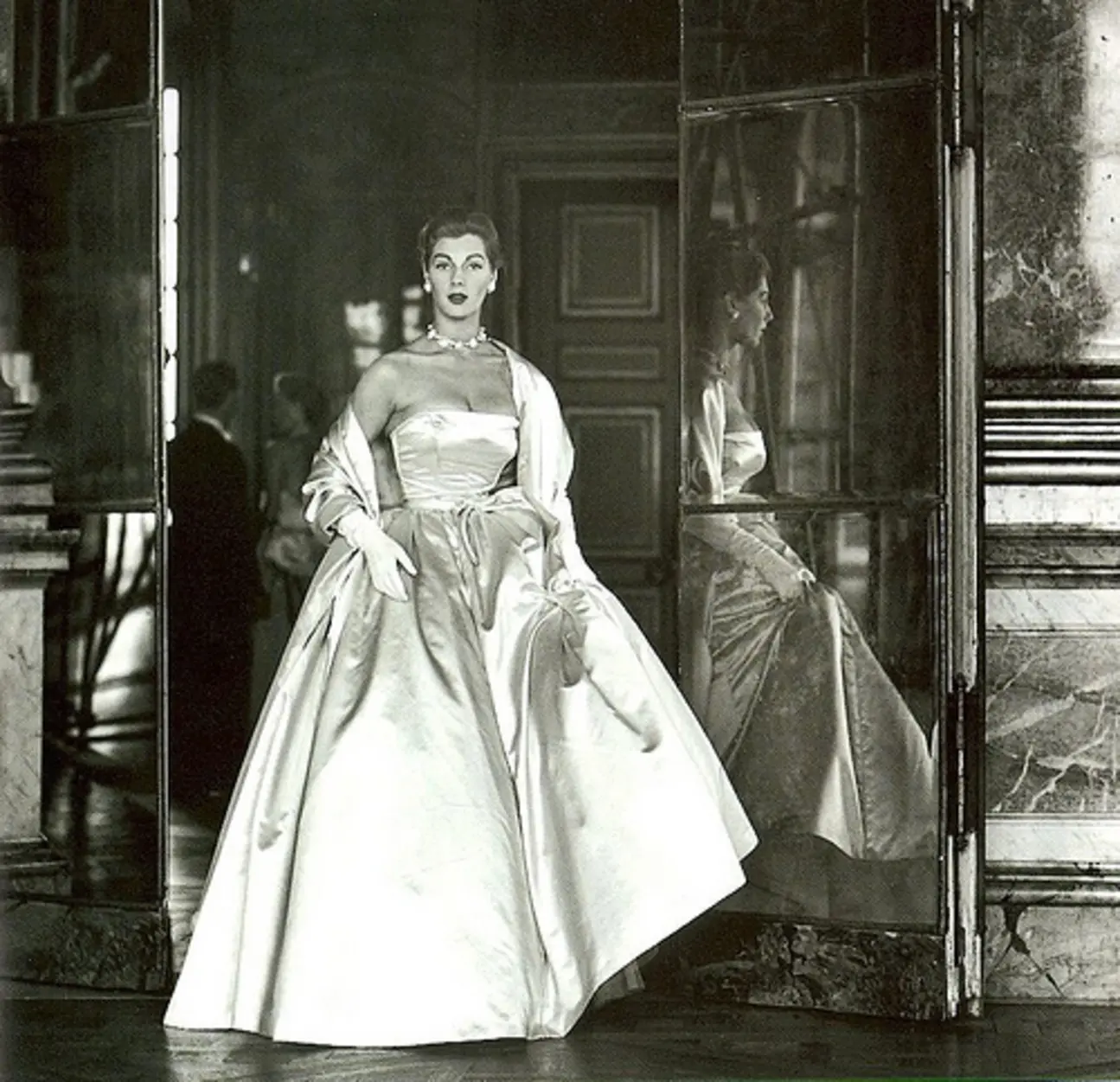
A ballgown silhouette is not only worn; it is inhabited. It is architecture built from silk and light.; it is inhabited. It is architecture built from silk and sparkle, transforming its wearer into a living monument. Cristóbal Balenciaga, the master of form, carried the idea forward. In the 1950s, he stripped away corsets, liberating the body while preserving the grandeur of volume — making the gown a sculpture of purity.
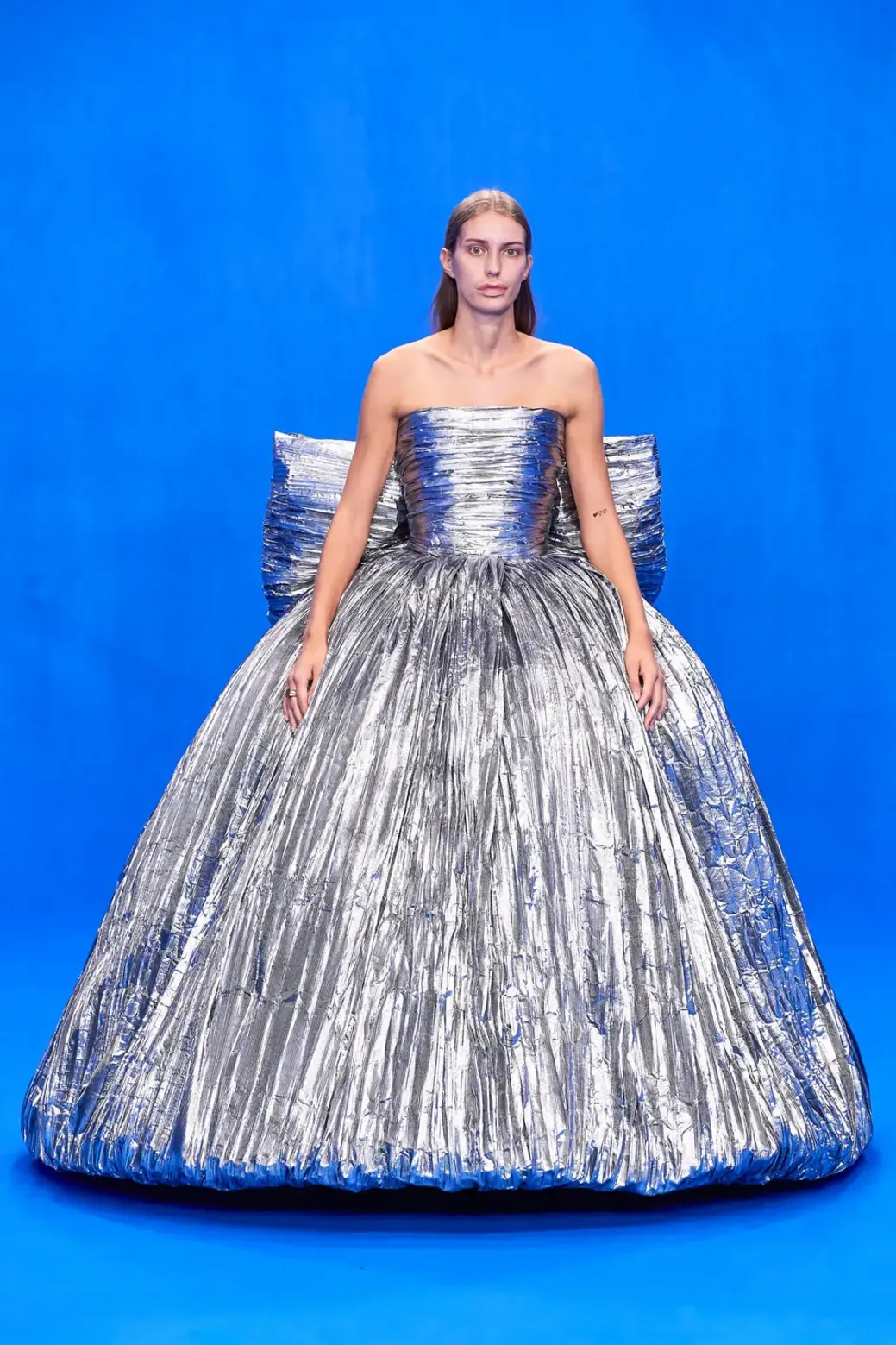
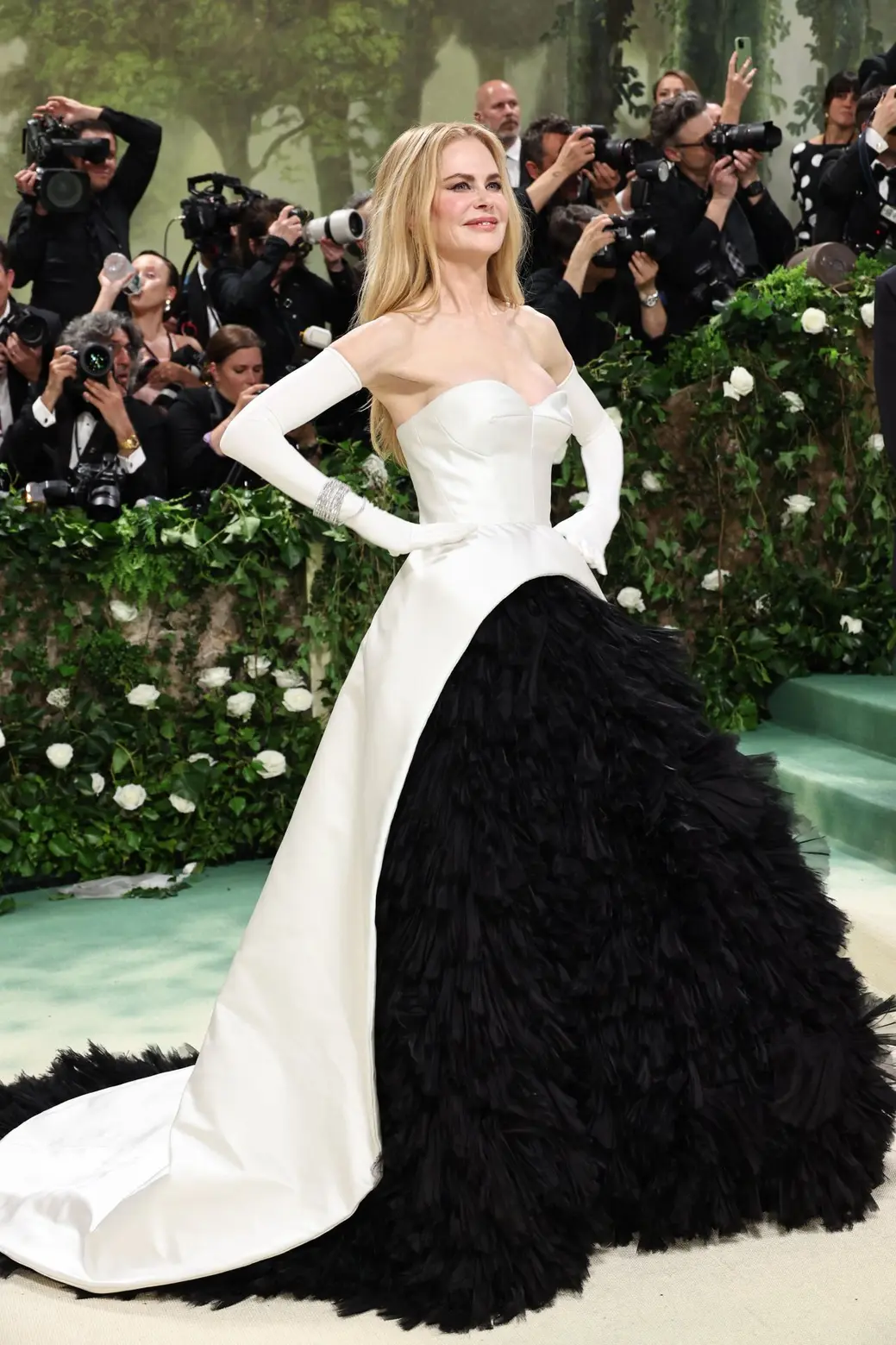
In the 21st century, Demna Gvasalia has reinterpreted this at Balenciaga with monumental gowns that are at once ironic and majestic, showing that the silhouette can be social commentary.
Christian Dior, with his 1947 New Look, rebuilt the wasp waist and sweeping skirt, restoring joy to women in the aftermath of war. Ballgowns by John Galliano arrive like a royal procession, breathing grandeur into the air with every sweeping step. Each curve, fold, and train carries the weight of a crown, sculpting power into something almost celestial. Silk flows with regal ease, velvet glimmers like midnight on marble floors, and tulle swells with the confidence of a queen ascending her throne. Galliano paints opulence through fabric, creating visions where fantasy and sovereignty meet. His ballgowns speak in a language of majesty, where beauty glows like a secret empire and every entrance becomes a reign.
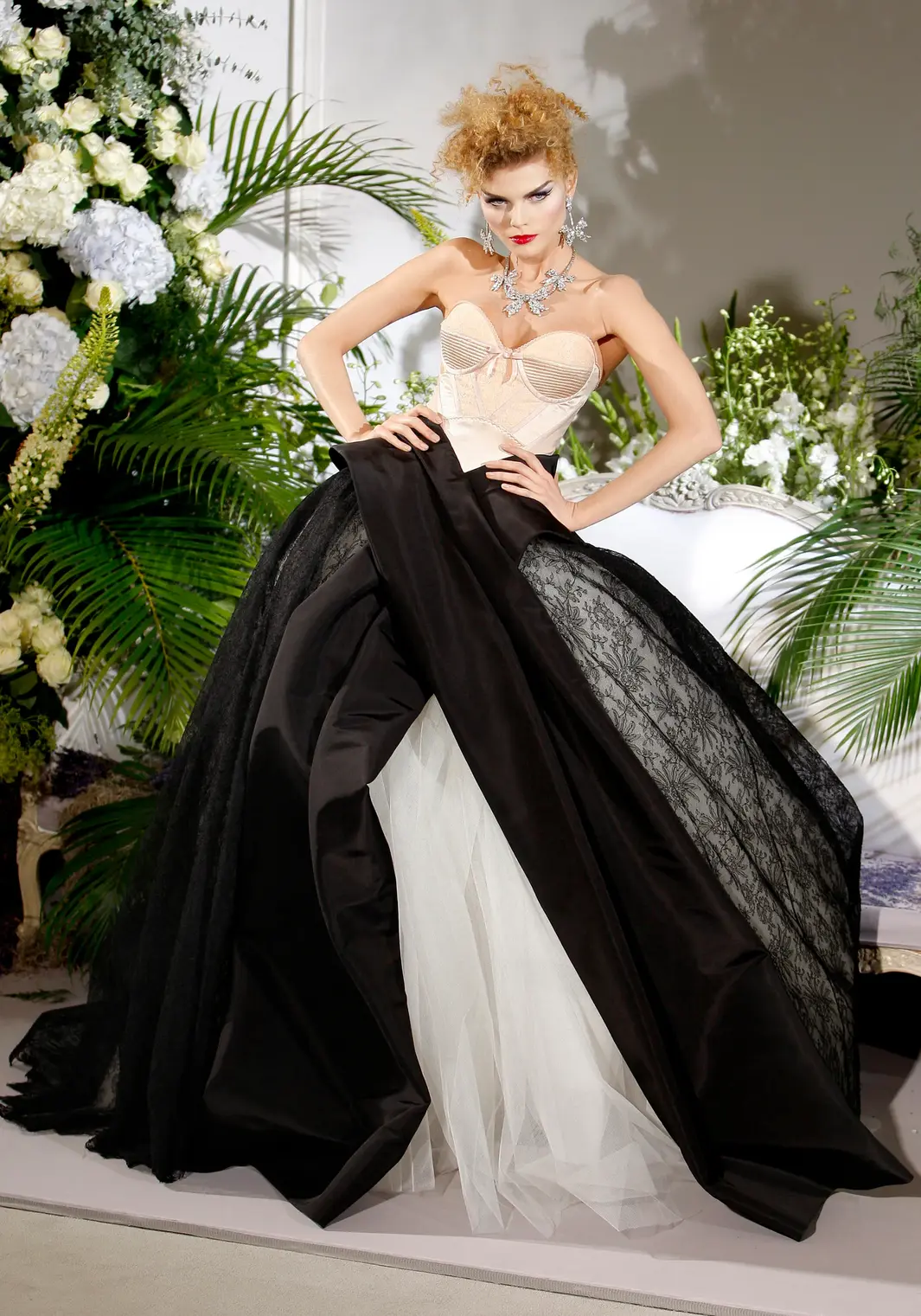
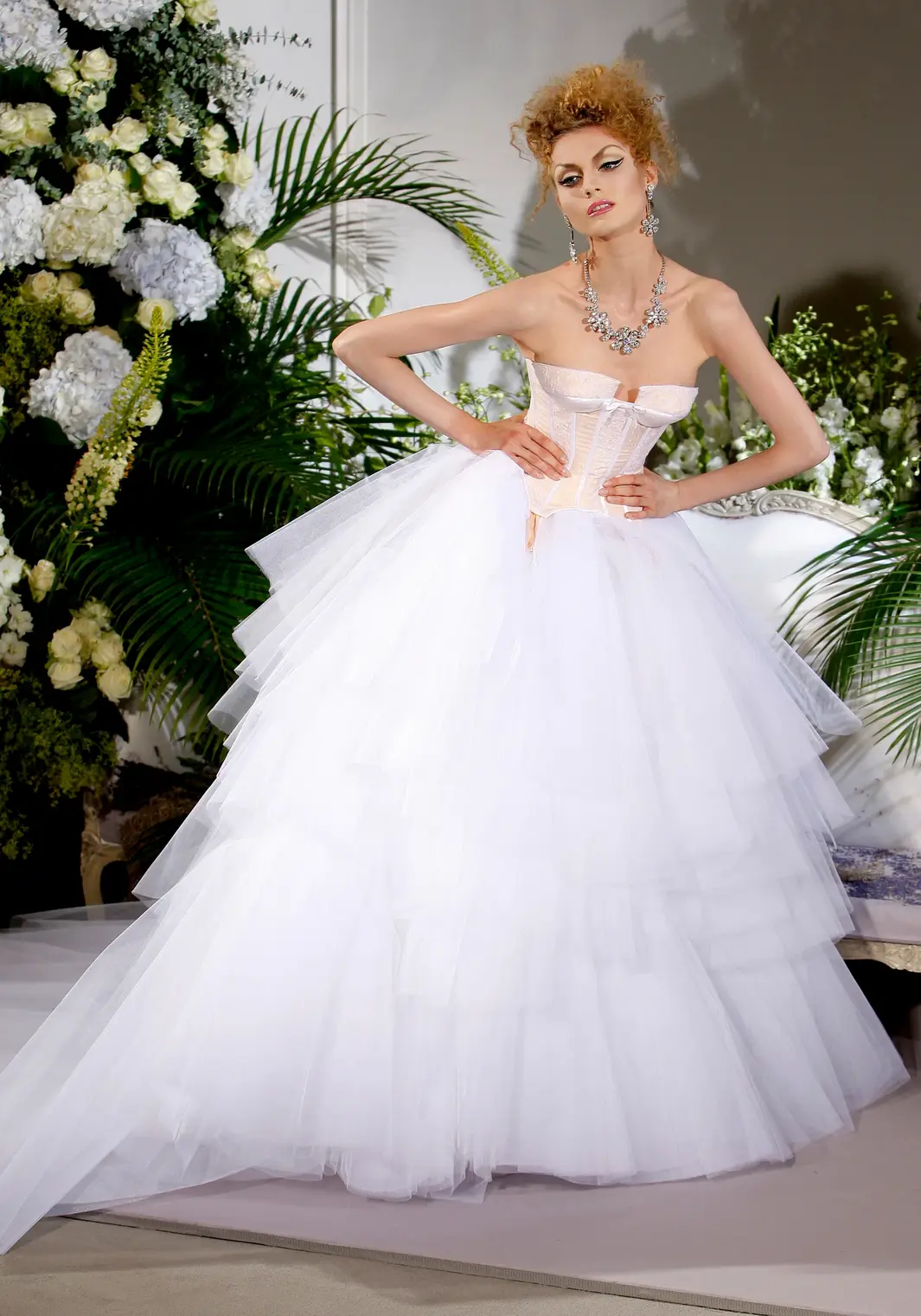
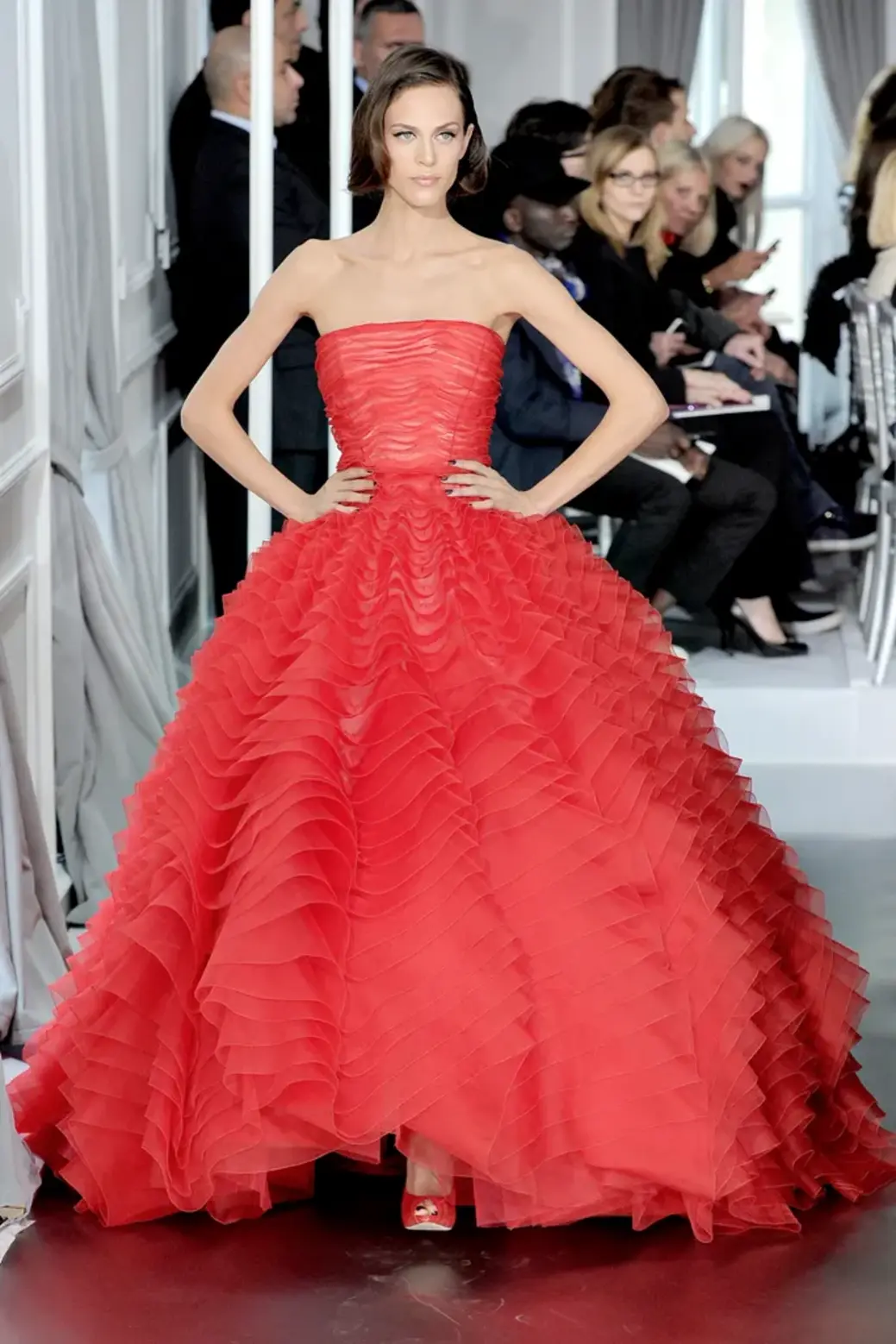
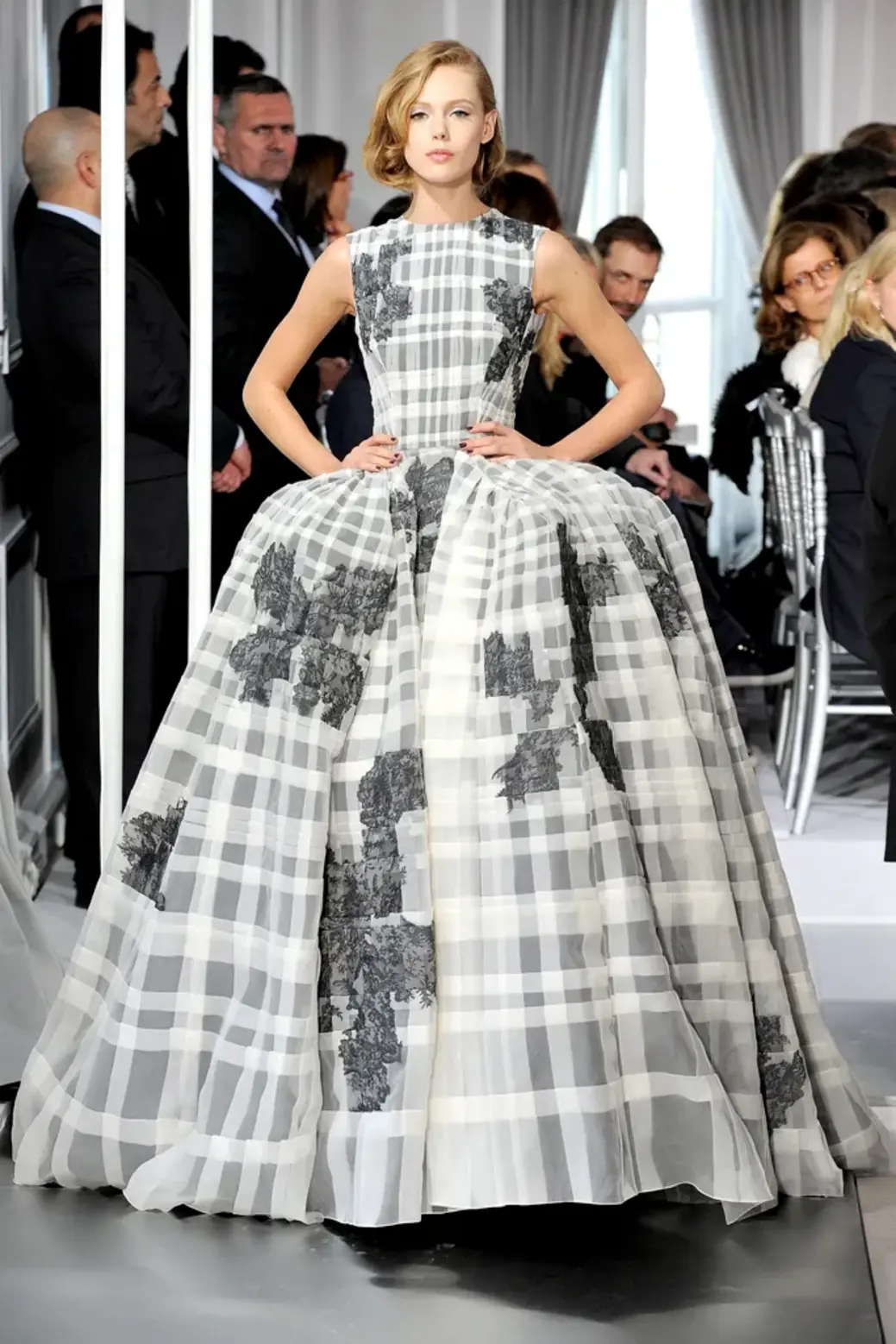
From Balenciaga to Dior, the structure of the gown has always been the foundation of fashion’s power.
The Cinema of Ceremony
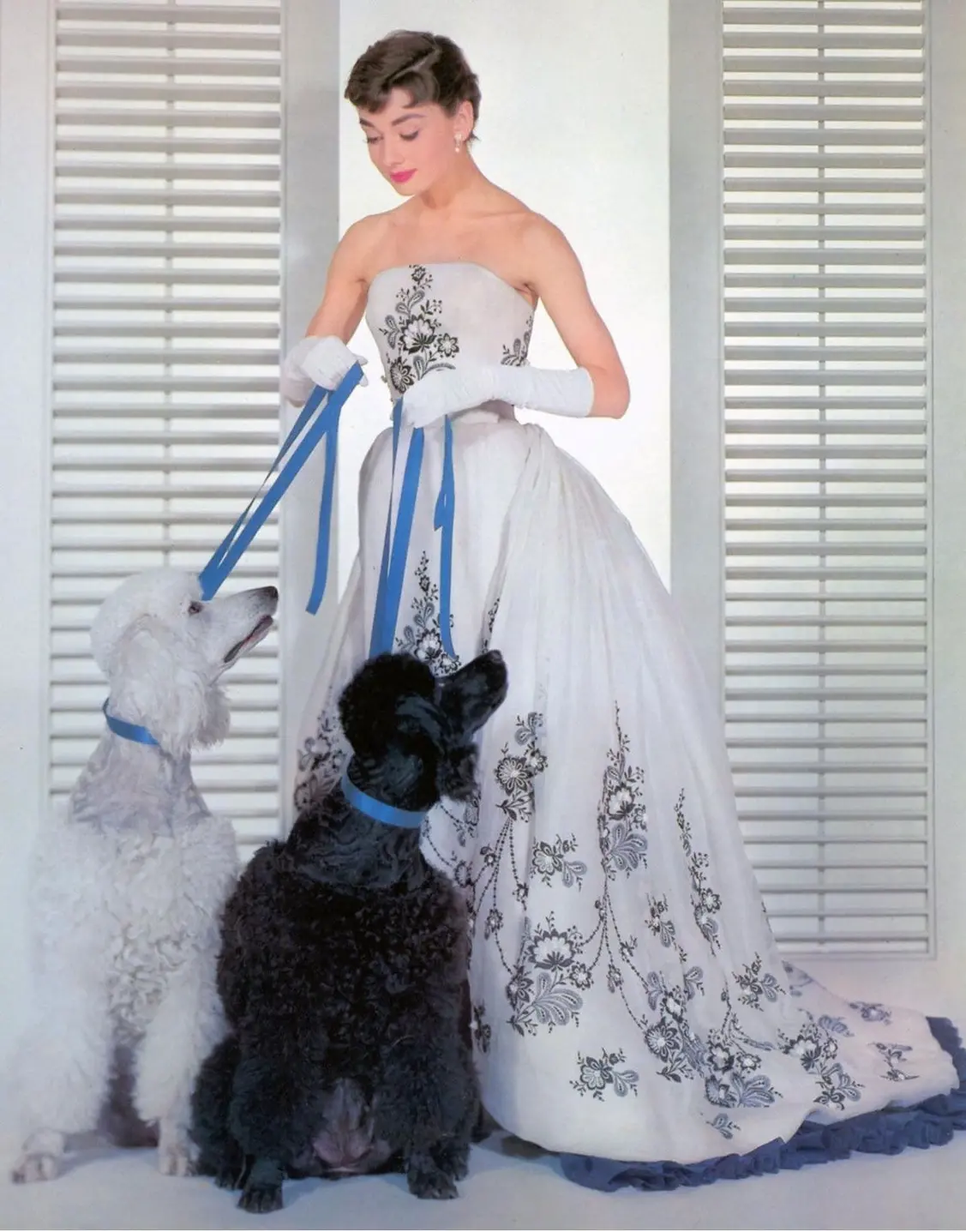
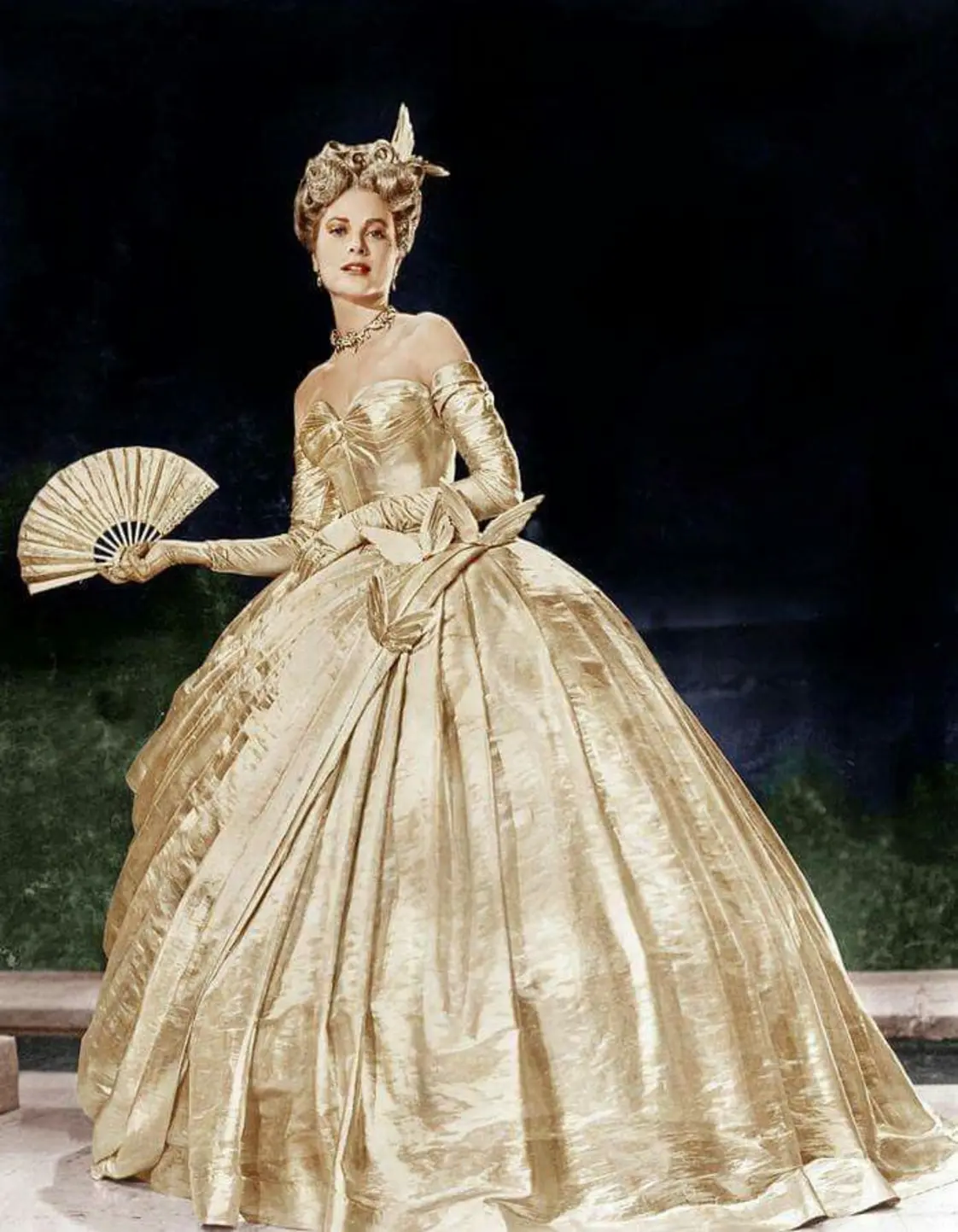
But the ball gown’s true power lies in the moment it is seen. Recall Audrey Hepburn in Sabrina, gliding into a ballroom in Givenchy’s floral embroidery, or Grace Kelly in To Catch a Thief, her misty golden gown shimmering like a whispered legend, radiated the poise of an empress. These were never mere costumes — they were myths stitched in silk.
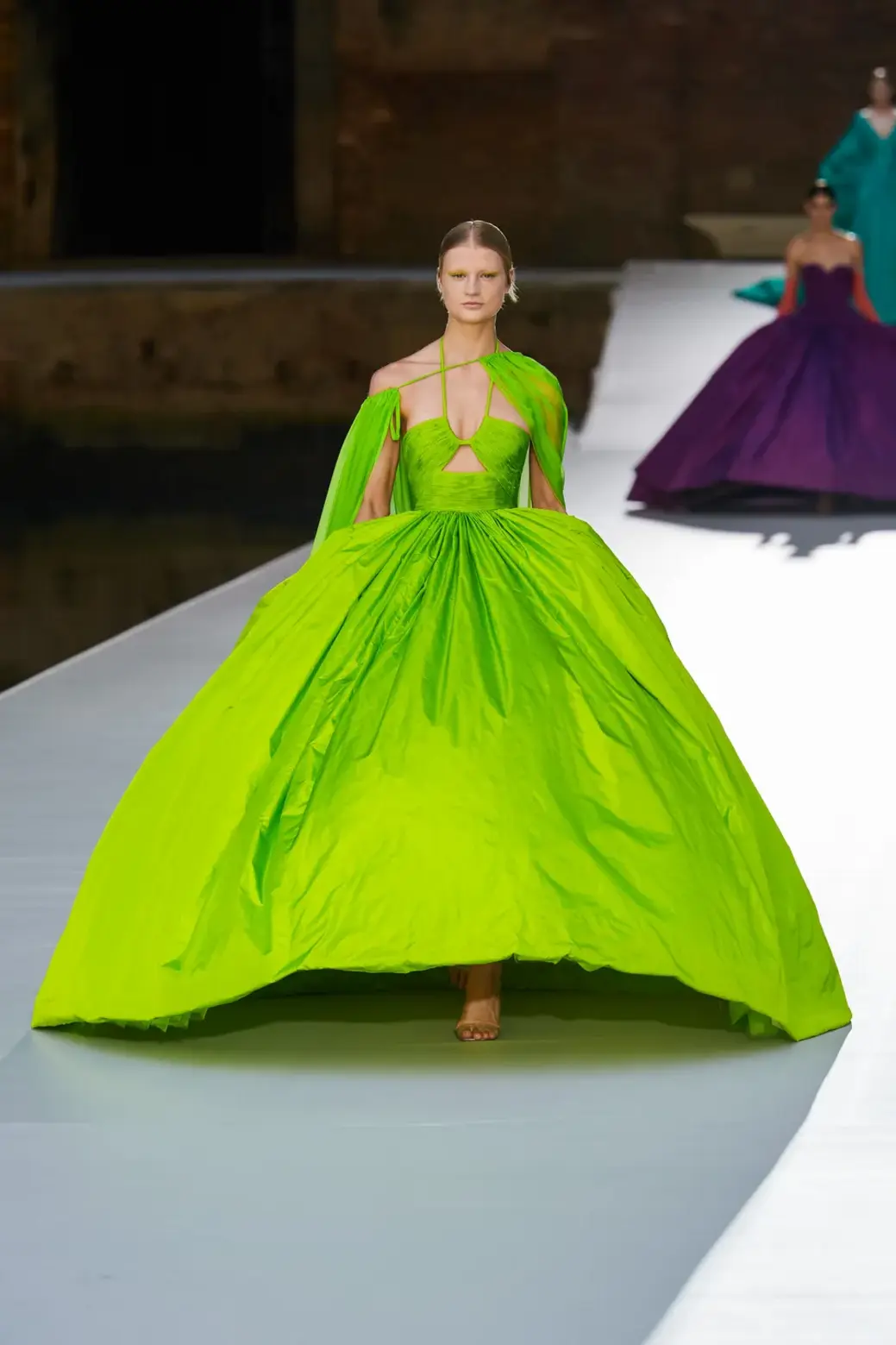
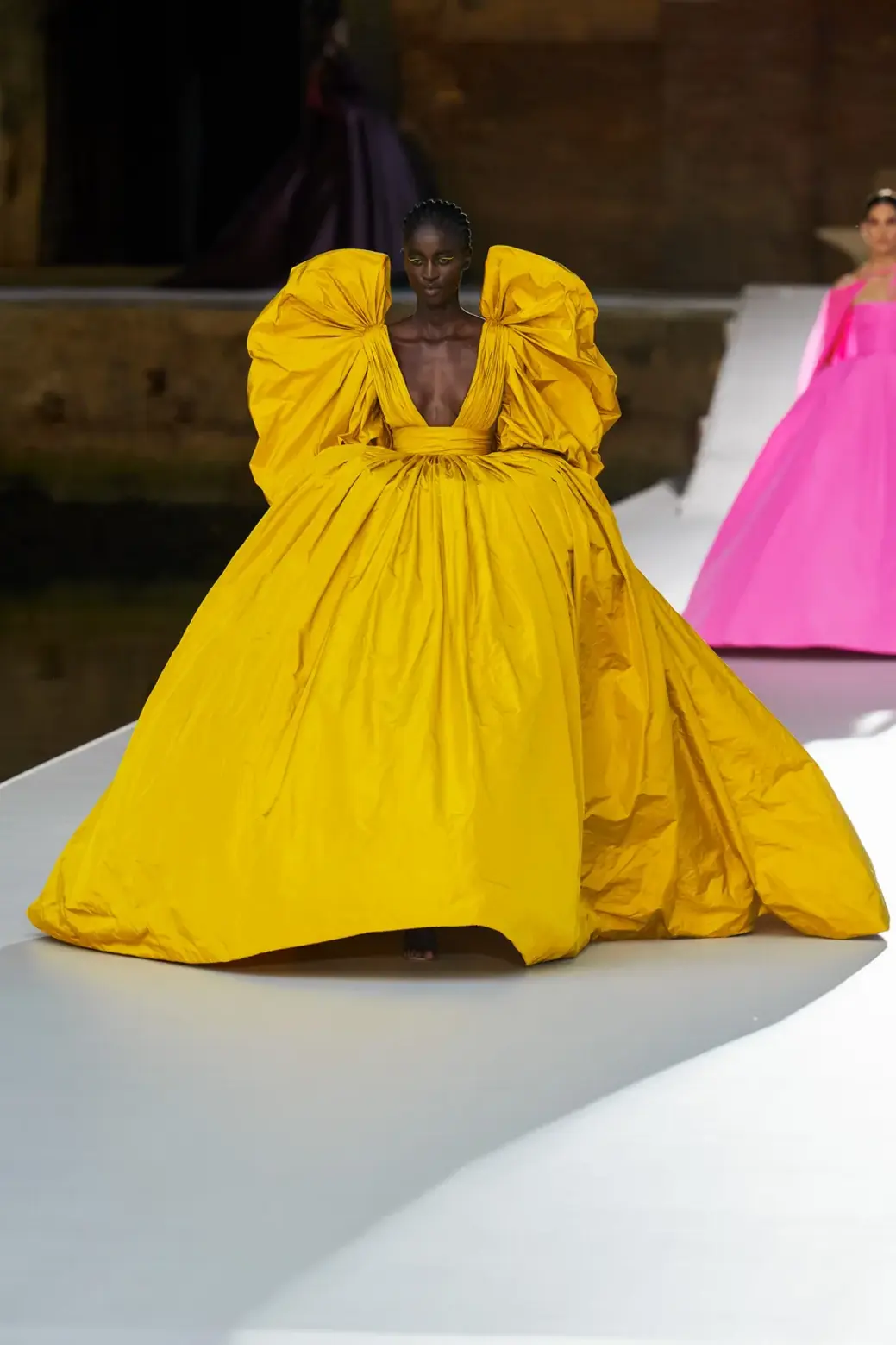
On the modern red carpet, Pierpaolo Piccioli at Valentino has given the ball gown a new lightness: clouds of silk in electric color, weightless yet commanding in fuchsia, lemon yellow, slime green.
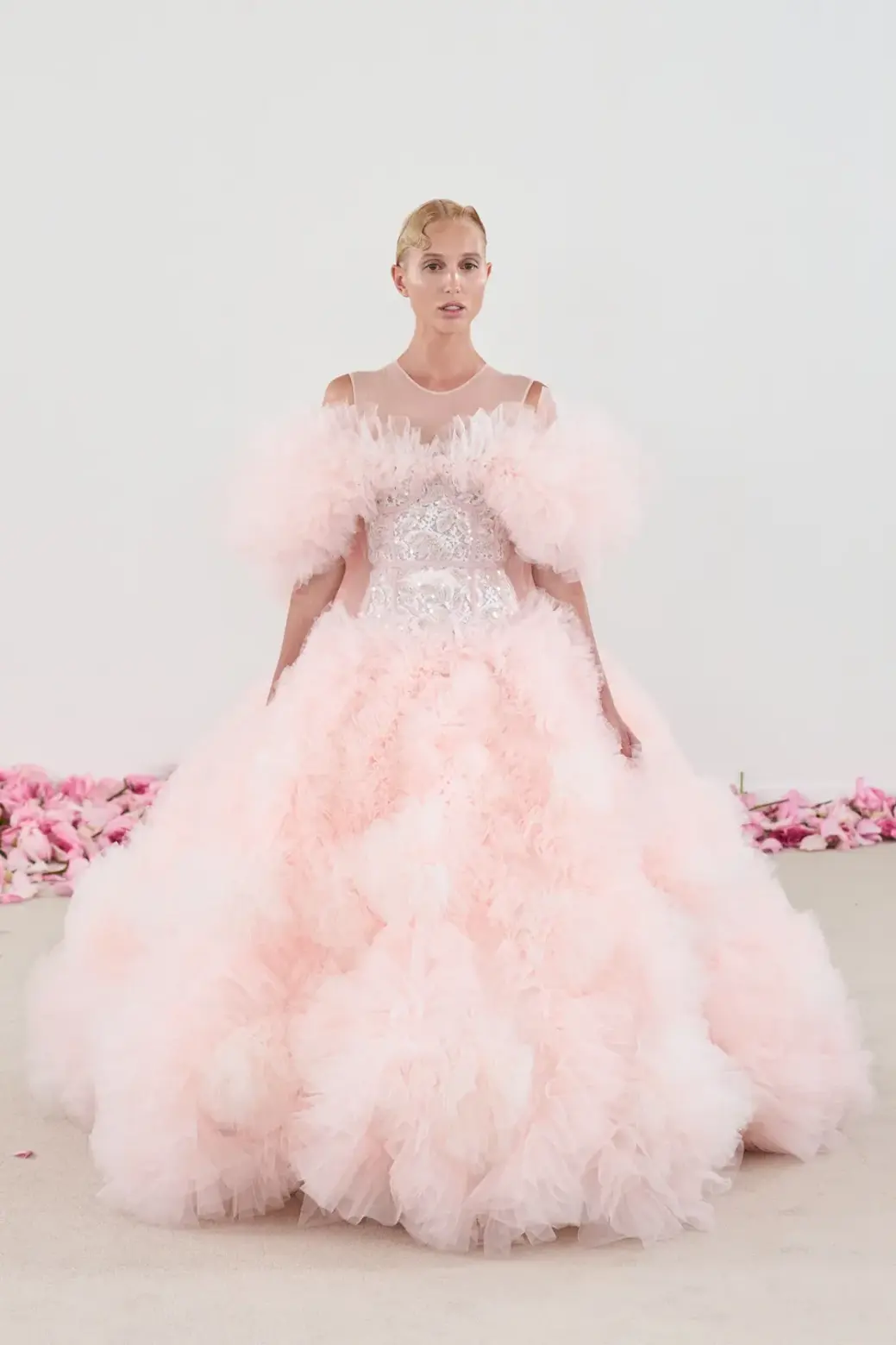
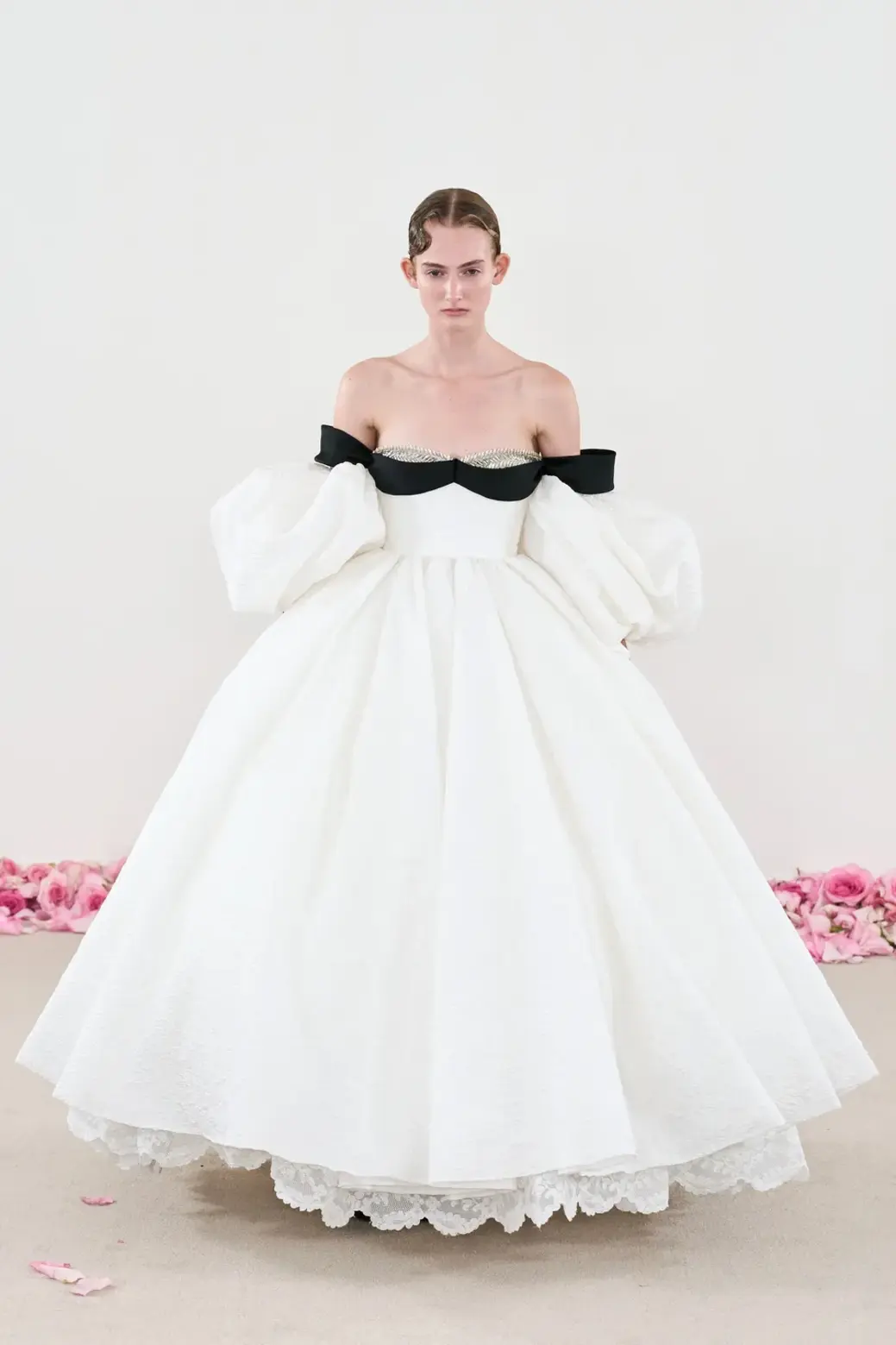
Giambattista Valli has turned tulle into storm: layer upon layer exploding into spectacle, transforming actresses into living artworks.
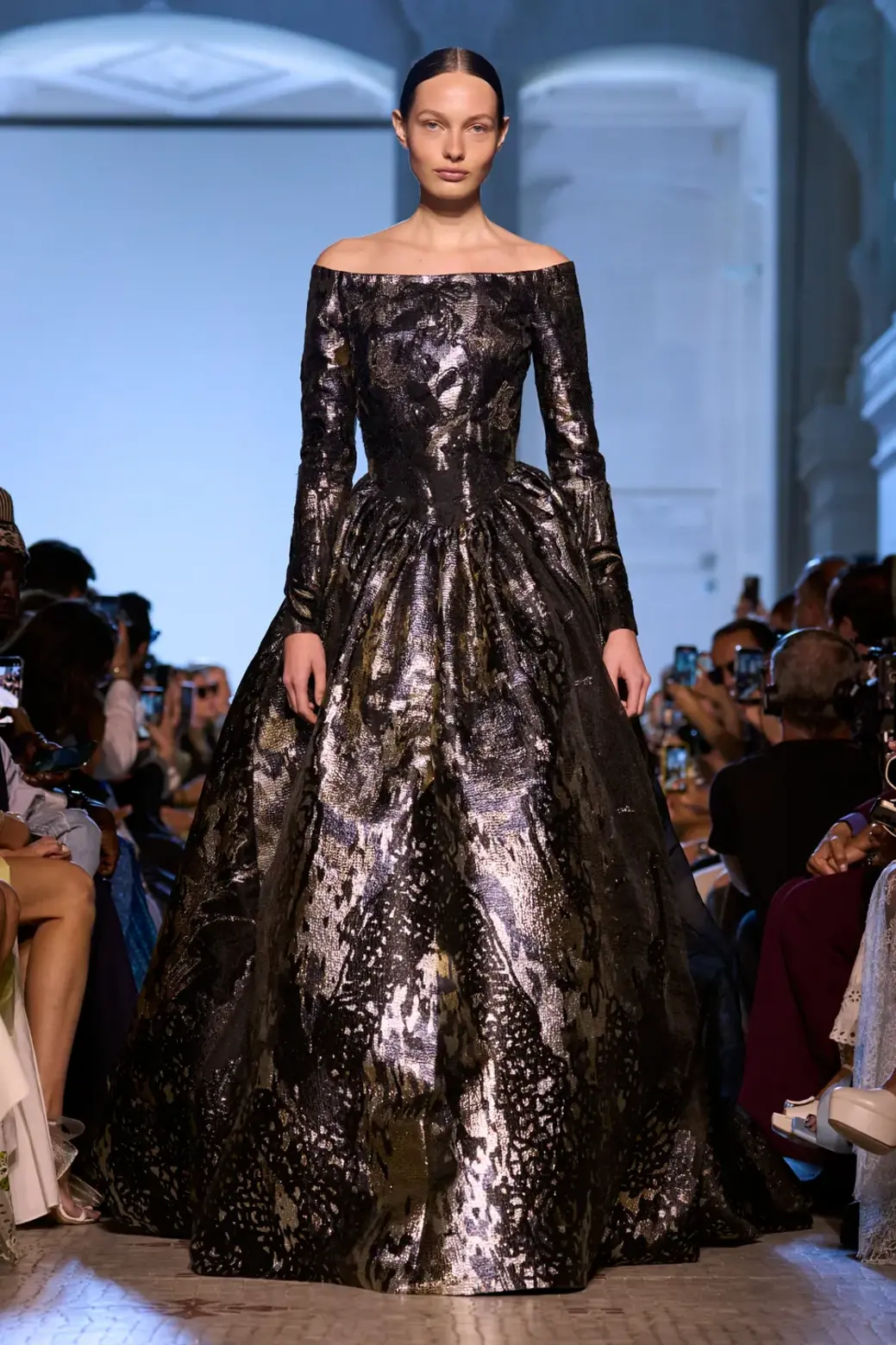
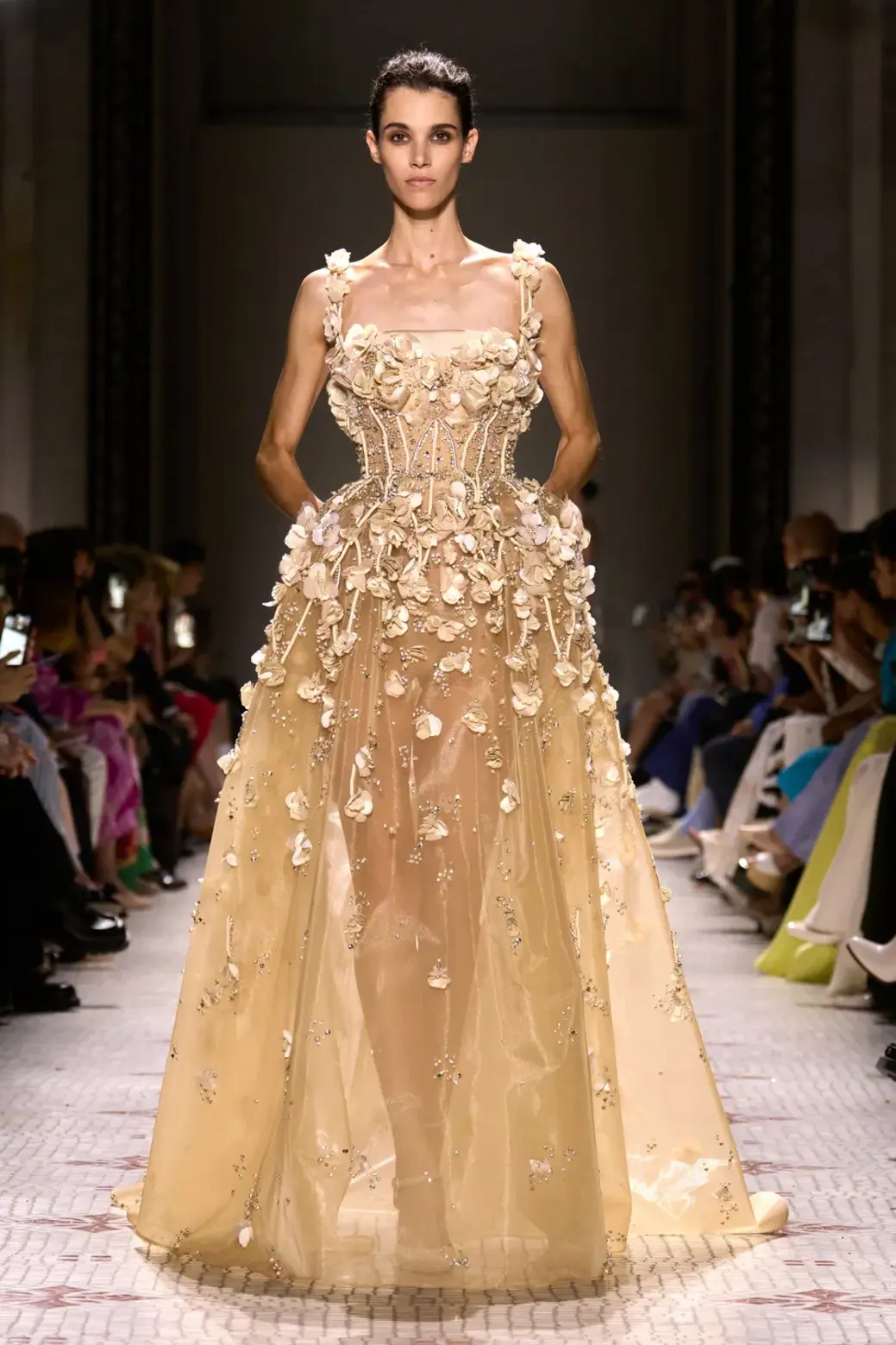
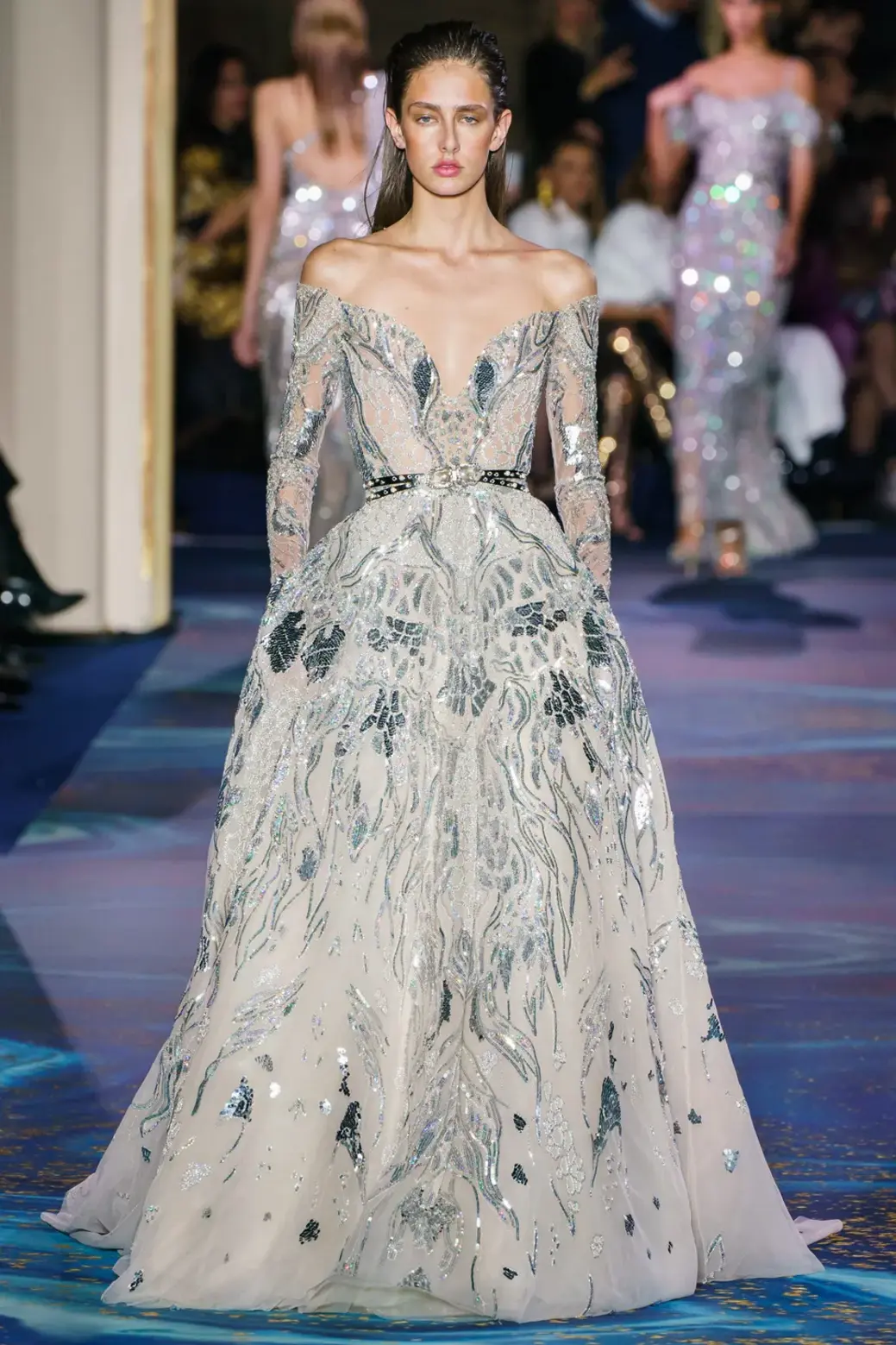
Elsewhere, Elie Saab and Zuhair Murad have remade the gown into galaxies of sequins, crystals, and embroidery. Their creations are dreams of the Middle East — gowns that shimmer like constellations, defining the aesthetic of 21st-century glamour.
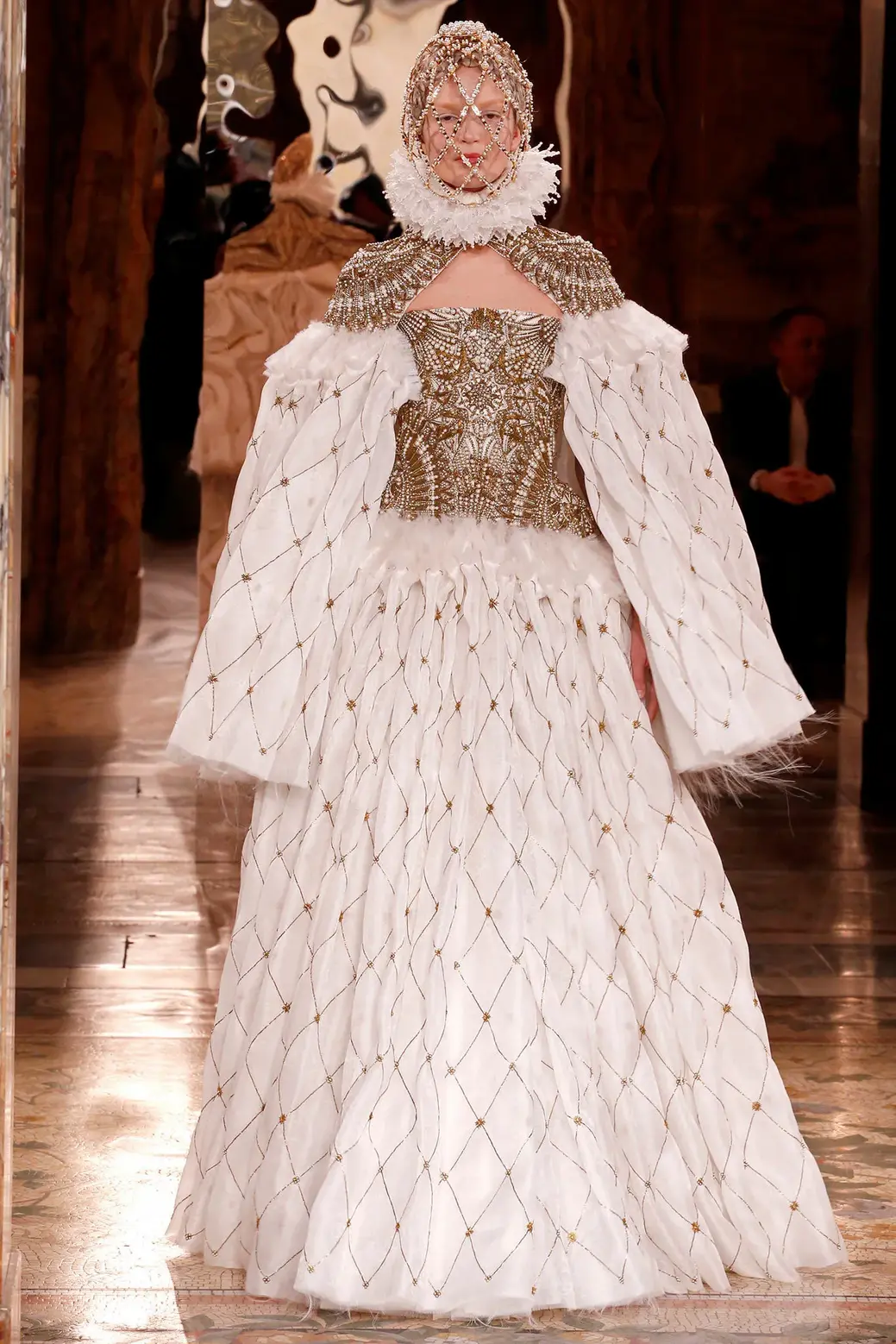
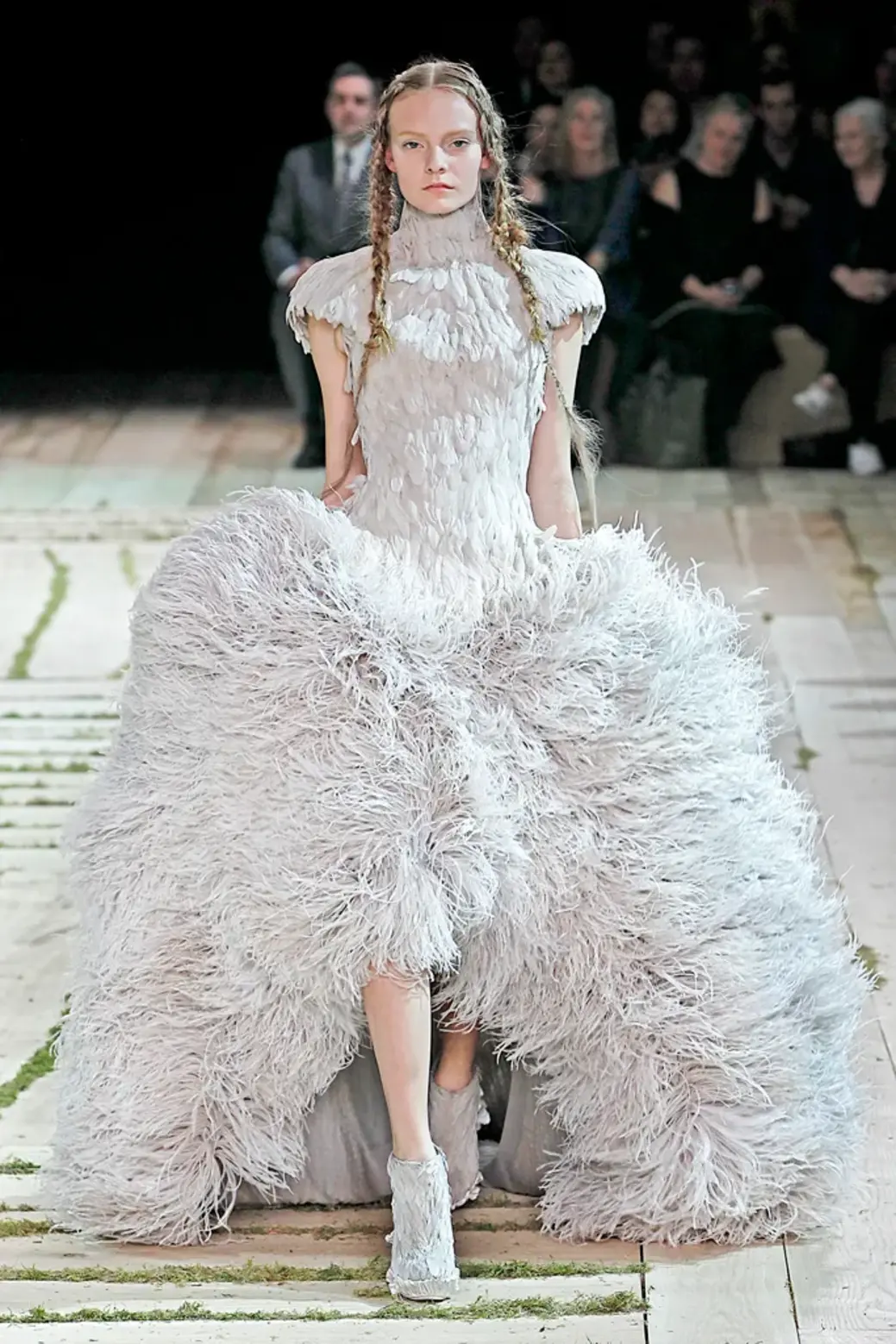
In contrast, Alexander McQueen made the ball gown a theater of tragedy. These gowns were armor, wings, funeral shrouds — embodiments of death and resurrection. For McQueen, the ball gown was never just about beauty, but existence itself.
The Dream That Persists
A ballgown silhouette is illusion, sensation, and declaration. It is the rustle of silk and the gravity of presence. It is both the exclamation point at the end of a story and the opening line of a fairy tale. In a world that celebrates minimalism, the ball gown survives as quiet rebellion — a reminder that there is still space for magnificence, for beauty without restraint.
Chanel, under Karl Lagerfeld, redefined it with tweed and couture wit, while Virginie Viard has pared it back but kept its aura intact.
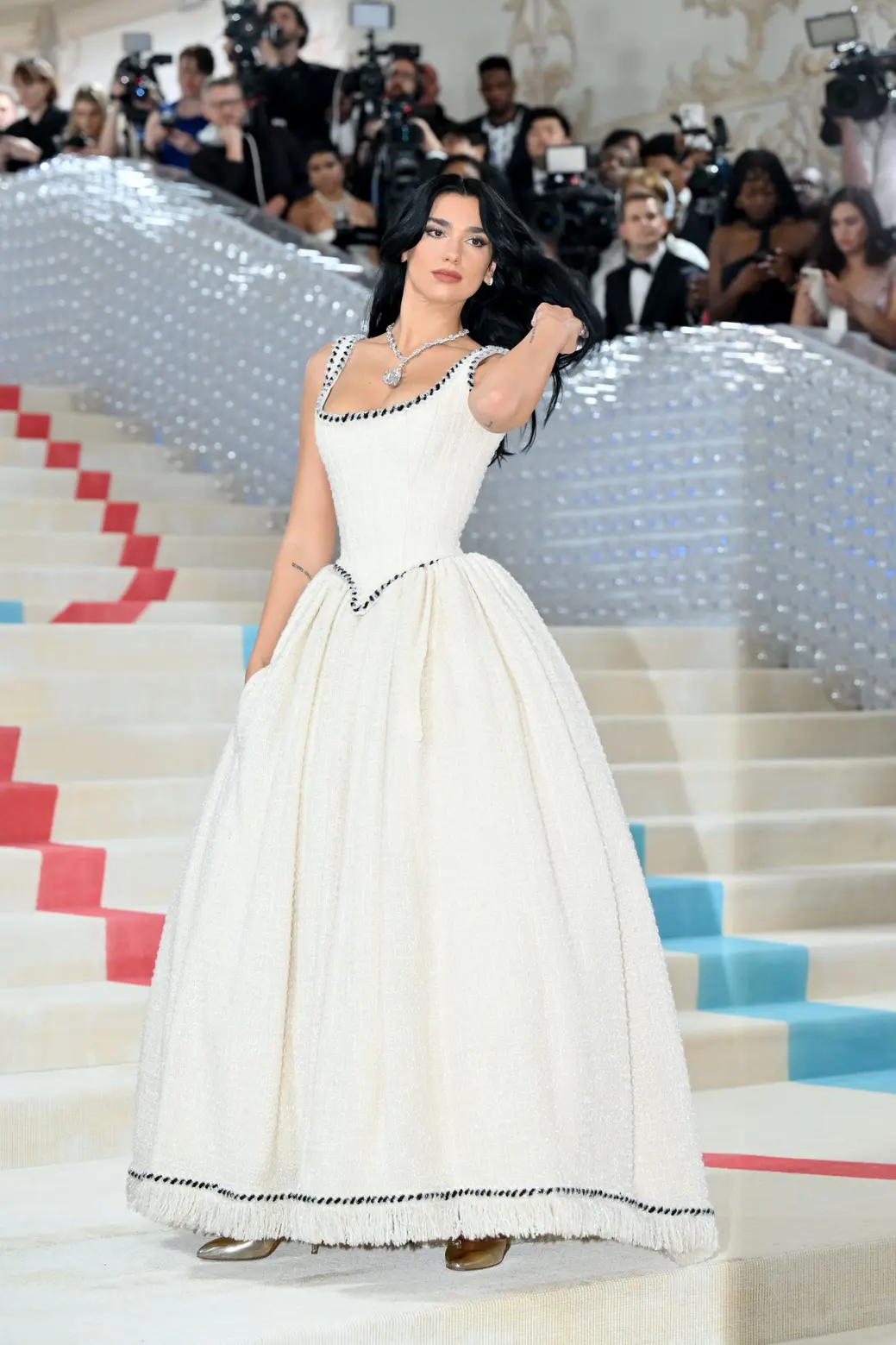
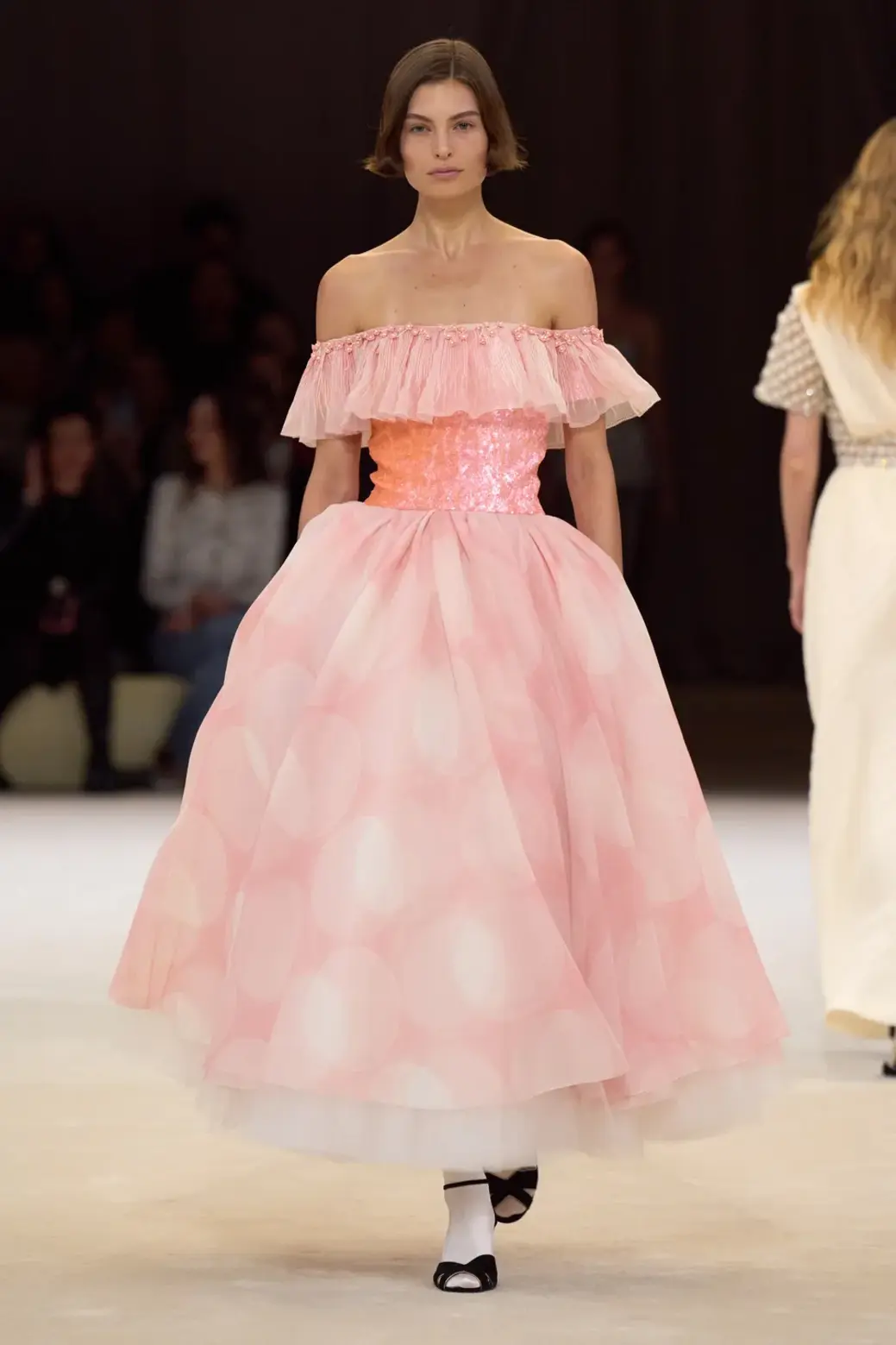
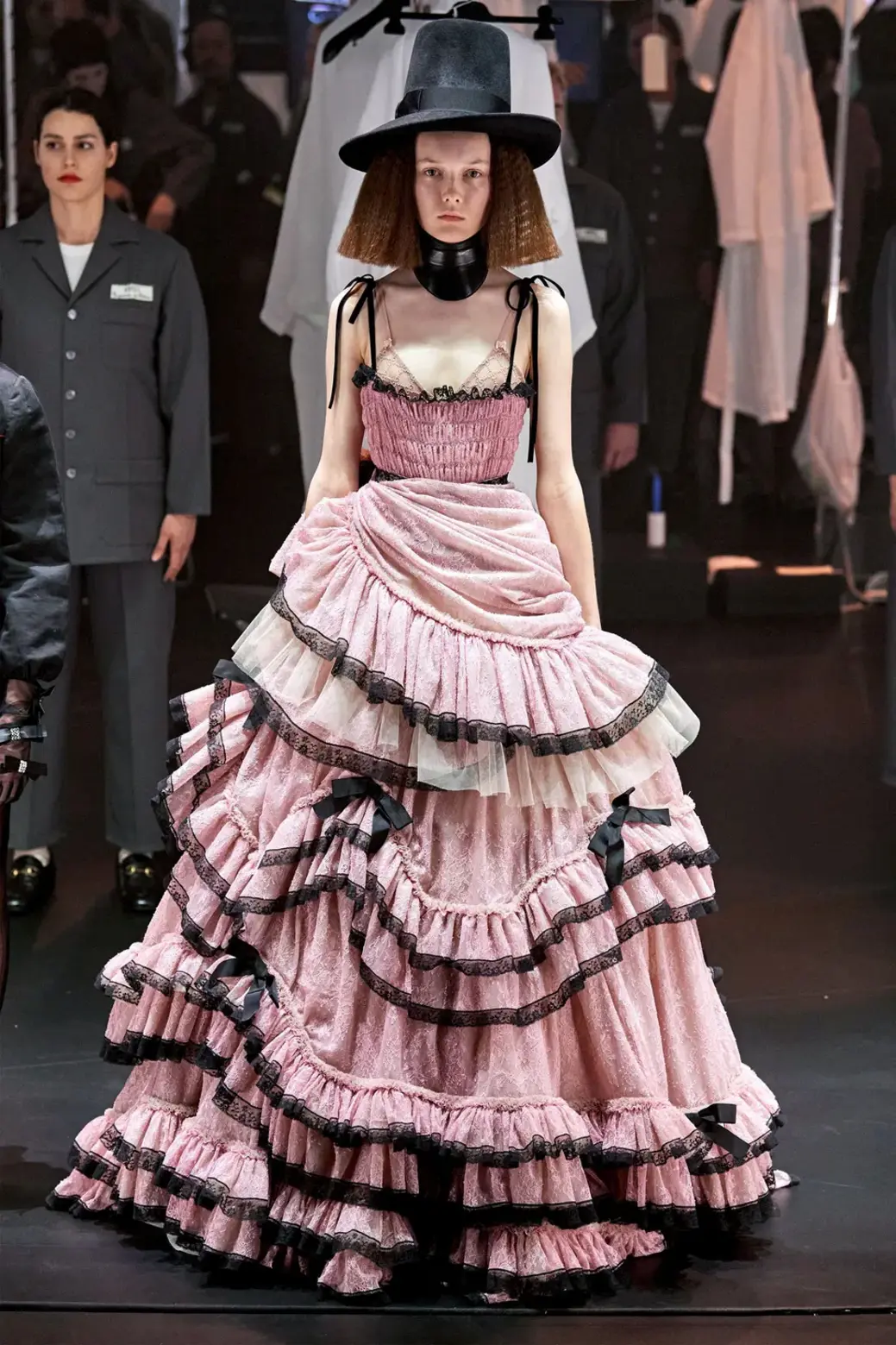
Gucci, under Alessandro Michele, pushed it into maximalist fantasy, layered with historical references and eccentric detail. From Paris to Beirut, from New York to Rome, the ball gown is no longer the preserve of royalty. It belongs to anyone willing to dream big enough to claim the space.
Whether shaped by a Balenciaga ballgown or a Dior ballgown, the ballgown silhouette remains fashion’s most enduring dream, a structure of transformation, grandeur, and unapologetic fantasy.
Advertisement