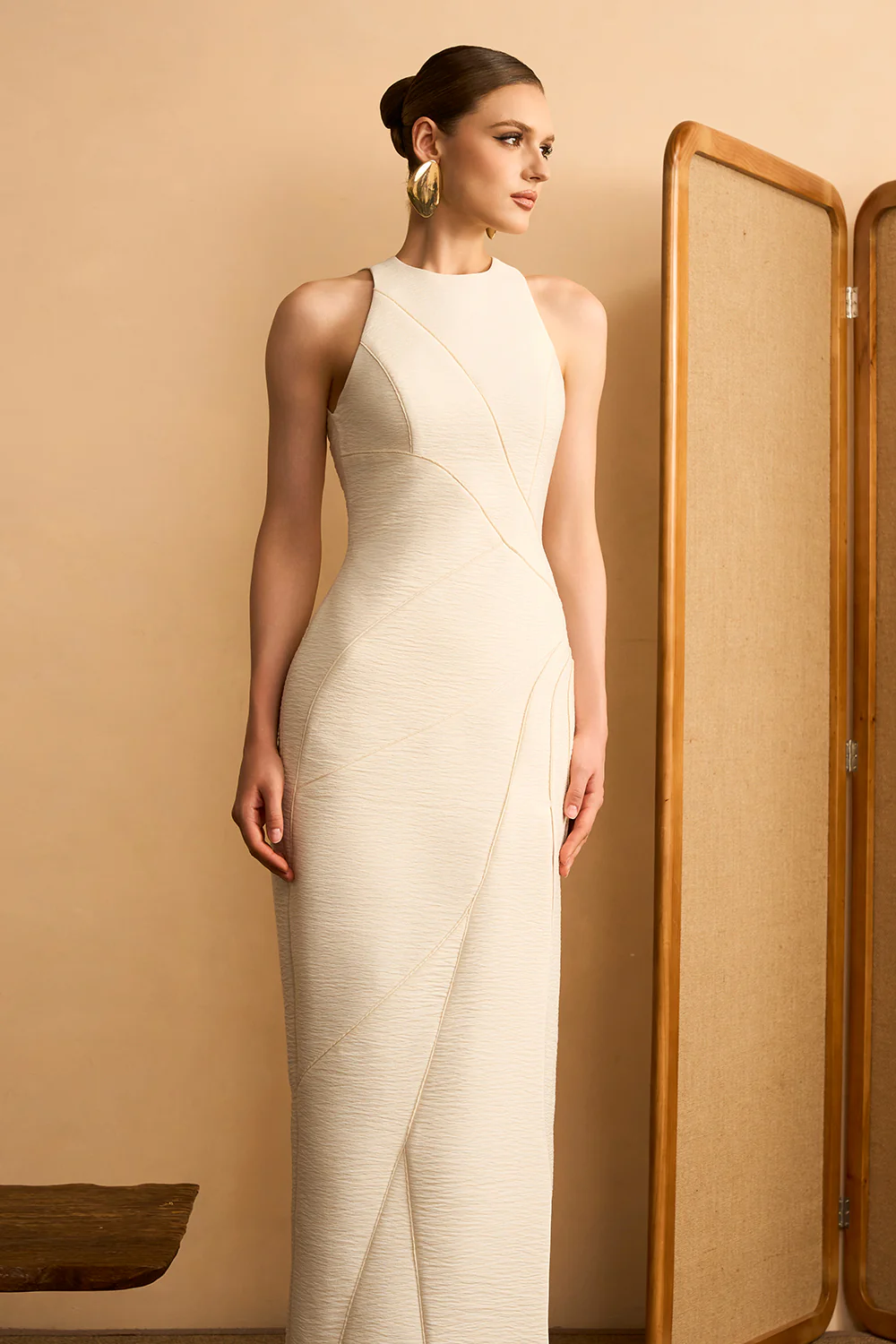
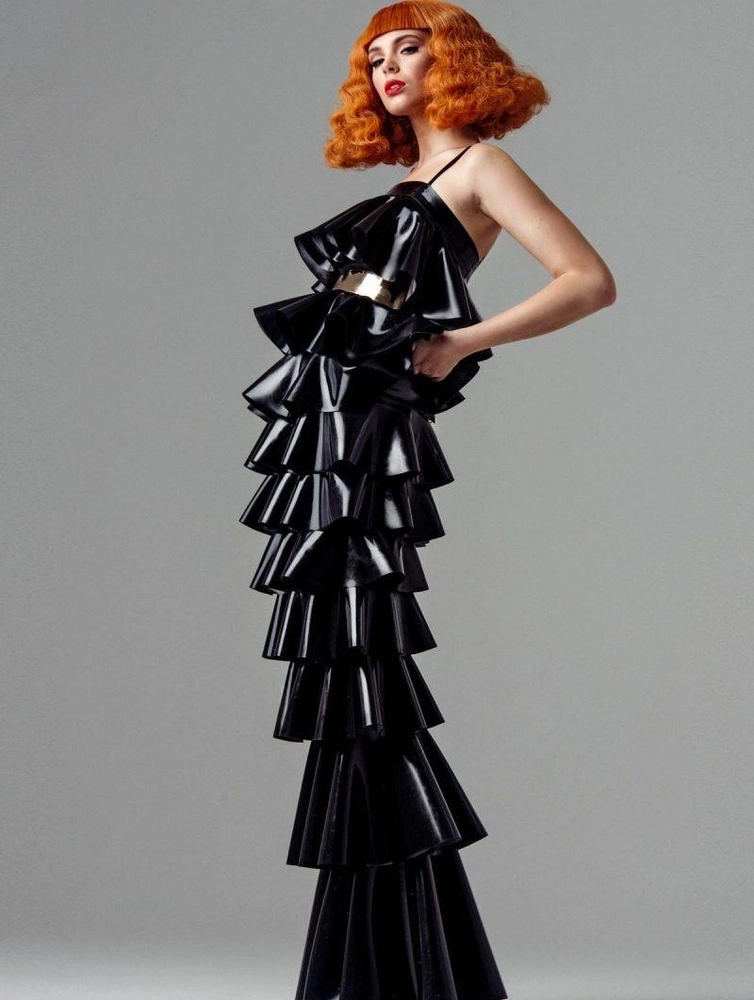
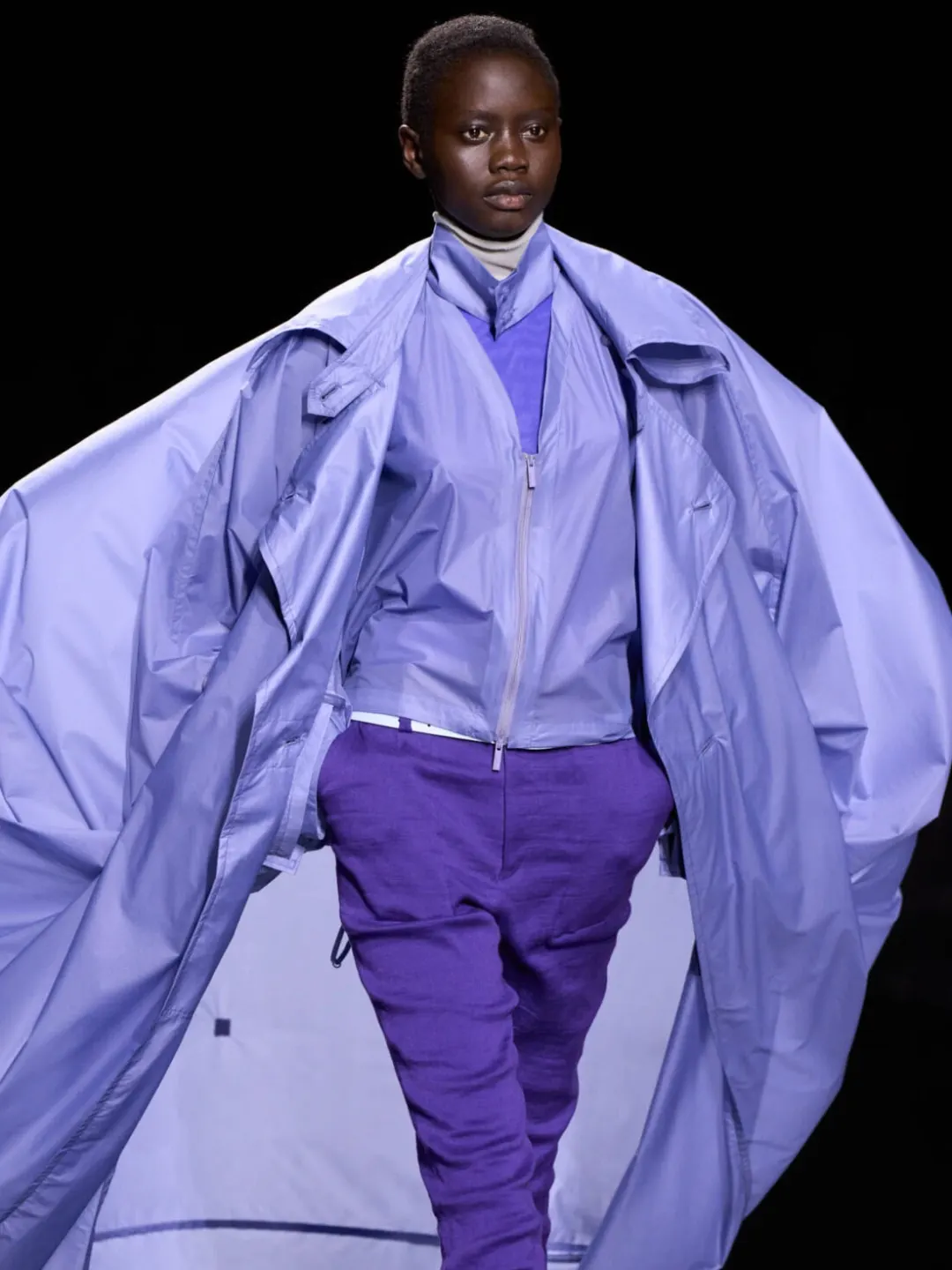
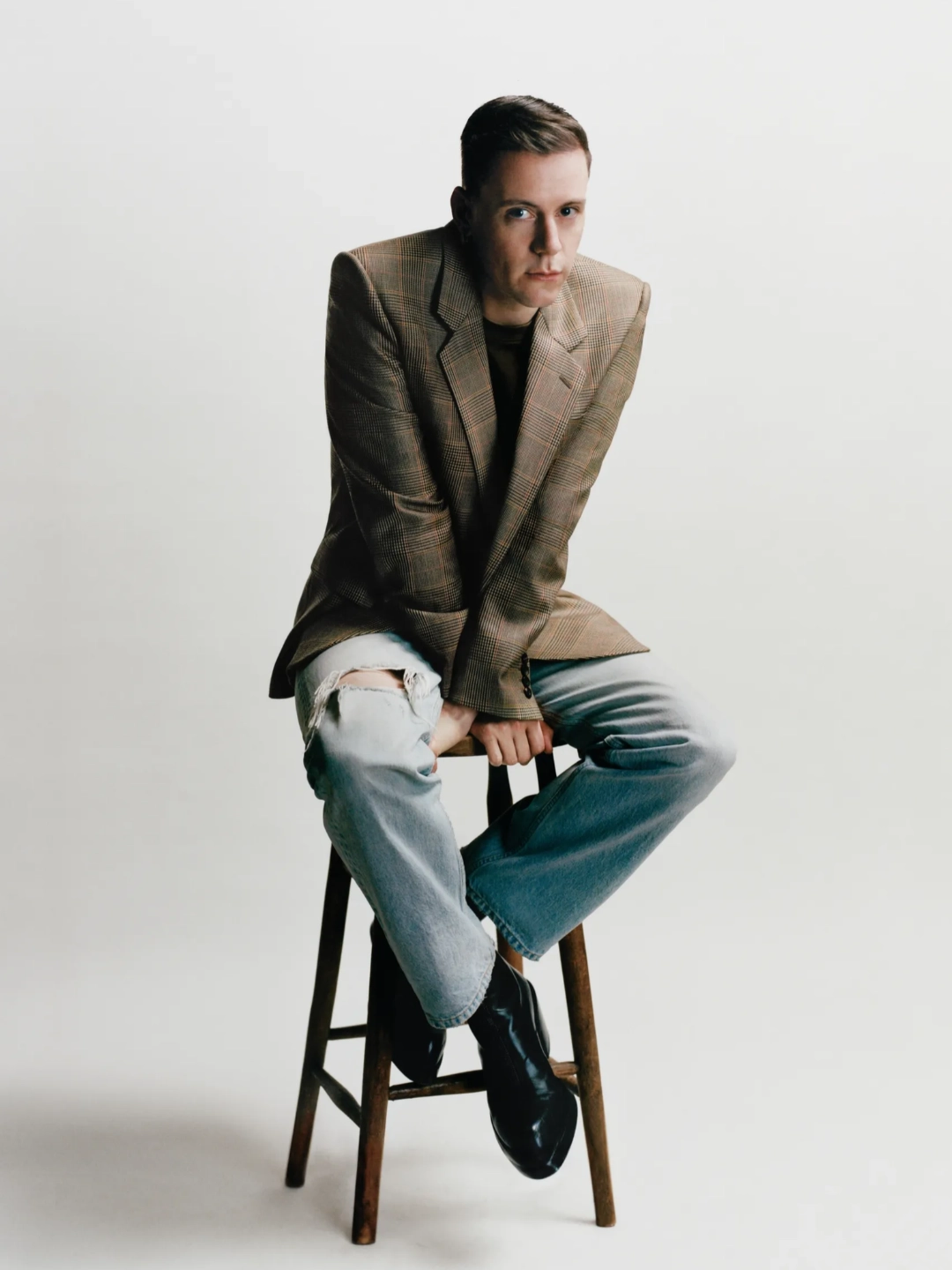
Good taste has a habit of mistaking obedience for beauty. Then a dress twists the body into an unfamiliar shape, and everything once considered elegant comes under suspicion. Avant-garde style thrives on that discomfort, where the line between genius and ugliness becomes dangerously thin.
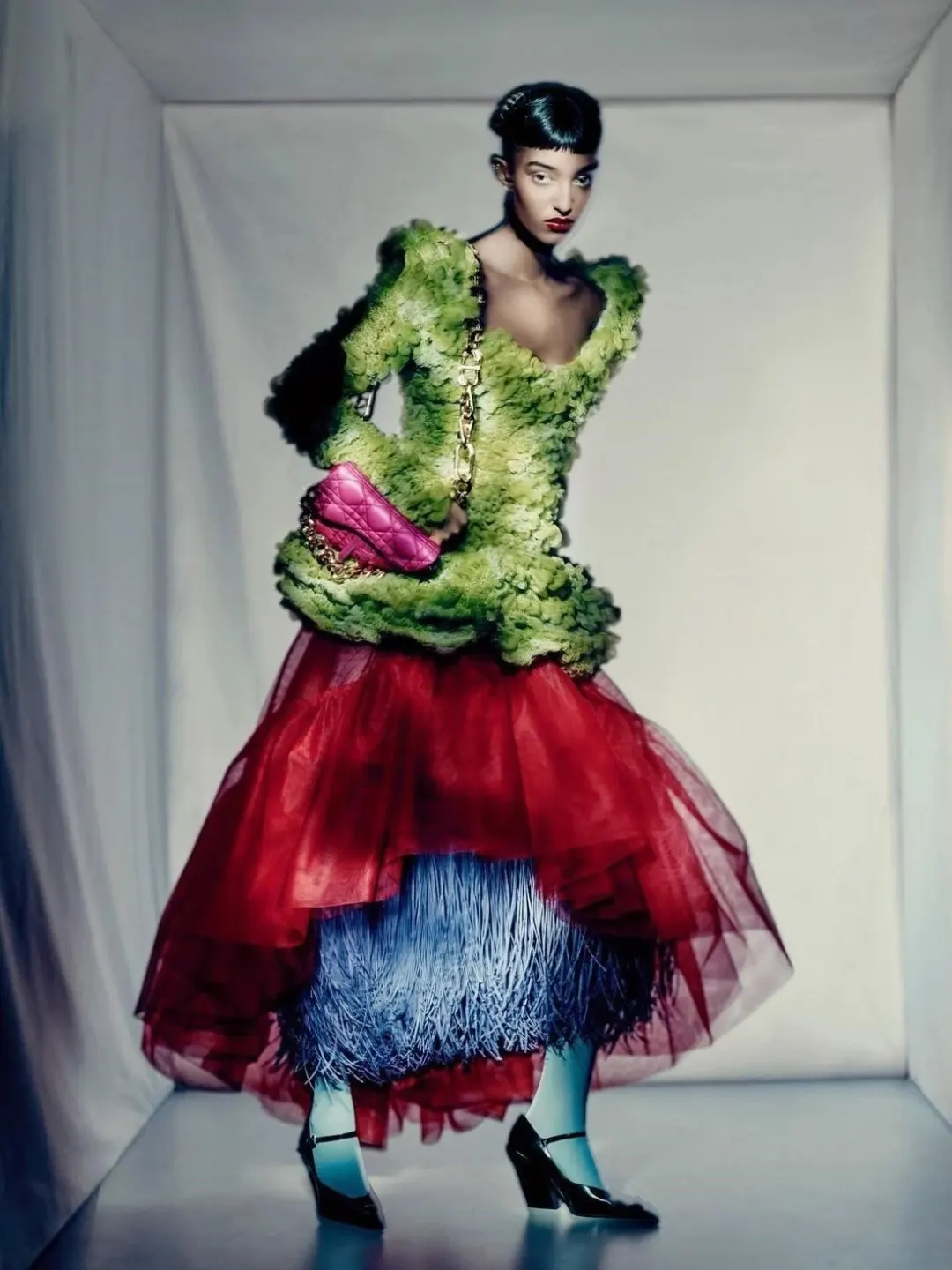
Avant-Garde Style: Against the Ordinary Rules
Good taste has a habit of mistaking obedience for beauty. Then a dress twists the body into an unfamiliar shape, and everything once considered elegant comes under suspicion. Avant-garde style thrives on that discomfort, where the line between genius and ugliness becomes dangerously thin.
October 21, 2026
Advertisement

Advertisement



A garment is ordinarily expected to perform certain duties. It should accommodate the body, establish a recognisable silhouette and participate in an established understanding of beauty. A sleeve belongs to an arm, a neckline frames the face, and fabric settles into shapes that generations of dressmaking have taught the eye to accept.
Occasionally, a designer interrupts this agreement. The sleeve extends into an impossible proportion. The neckline disappears. Fabric gathers around an unexpected part of the body, transforming an ordinary dress into an unfamiliar physical object. What might initially appear awkward or unfinished becomes an invitation to reconsider the logic of clothing.
Avant-garde style occupies this uncertain territory, where the boundaries of fashion remain open to interrogation. Its most consequential designs have frequently challenged the standards by which fashionable clothing is recognised, appreciated and eventually accepted.
What Is Avant-Garde Style?
The expression avant-garde comes from French military terminology, originally describing the advance guard positioned ahead of the main force. Over time, the term acquired a broader cultural meaning, referring to artists, thinkers and creative movements that challenged prevailing conventions and proposed new directions.
Within fashion, avant-garde style describes an experimental approach to clothing that questions established principles of design, construction, beauty and bodily representation. It may involve unusual silhouettes, unconventional materials, exposed garment structures or conceptual ideas that transform the relationship between clothing and its wearer.
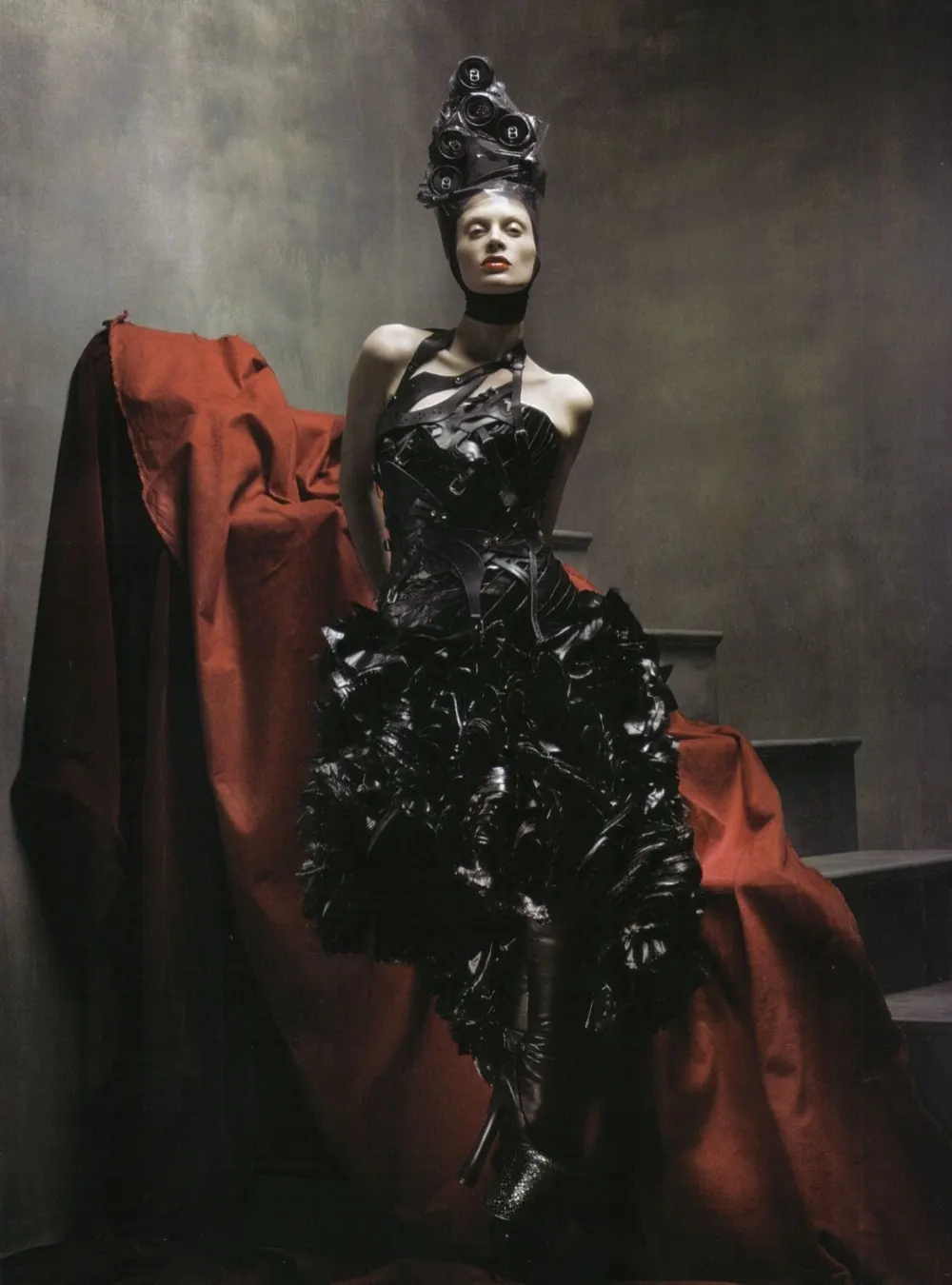
Its meaning, however, extends beyond visual eccentricity. Fashion has always accommodated extraordinary costumes, elaborate decoration and theatrical spectacles. Avant-garde experimentation carries a deeper ambition: to reconsider the assumptions governing what clothing can be, how it should function and what its appearance might communicate.
The distinction is significant because avant-garde style has no permanent uniform. A garment constructed from industrial components can challenge fashion through material innovation, while another may achieve an equally radical effect through an almost invisible adjustment to tailoring. Some designers employ spectacular volume and distorted anatomy. Others examine the smallest details of an ordinary jacket, discovering unfamiliar possibilities within its established construction.
Consequently, avant-garde style must be understood within the historical circumstances surrounding its creation. An exposed seam, an asymmetrical hem or an oversized silhouette can become widely accepted once experimental designers introduce such ideas into fashion's visual vocabulary. What once unsettled an audience may eventually become a familiar design convention.
When Fashion Entered the Artistic Avant-Garde
The intellectual foundations of avant-garde fashion developed alongside artistic movements that transformed European culture during the early twentieth century. Painting, sculpture, architecture and theatre became sites of experimentation, with artists questioning inherited aesthetic traditions and reconsidering the relationship between art and everyday life.
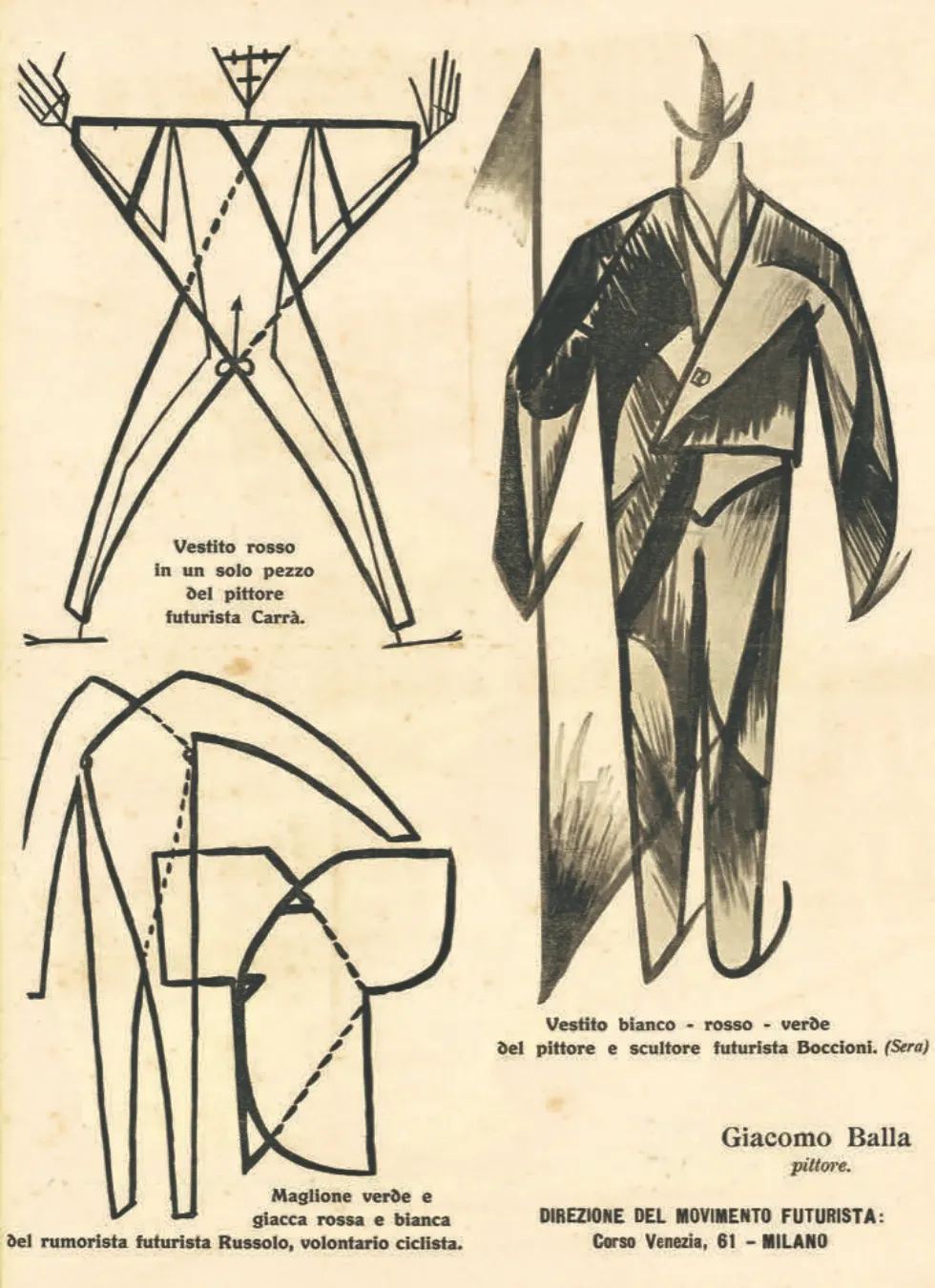
Italian Futurism embraced movement, speed and industrial modernity. In 1914, artist Giacomo Balla developed proposals for radically redesigned menswear through his Futurist clothing manifestos, calling for dynamic forms, asymmetry and vivid colour. Clothing could express the restless energy of contemporary existence through its construction and appearance.
Russian Constructivism pursued another vision of modern dress. Artists including Varvara Stepanova explored clothing in relation to production, practical movement and the social ambitions of a newly organised society. Their interest in functional forms and industrial methods connected the design of garments with a broader reconsideration of how people might live.
These movements introduced distinct and sometimes conflicting ambitions. Nevertheless, they helped establish an intellectual environment in which clothing could participate in artistic experimentation and social change.
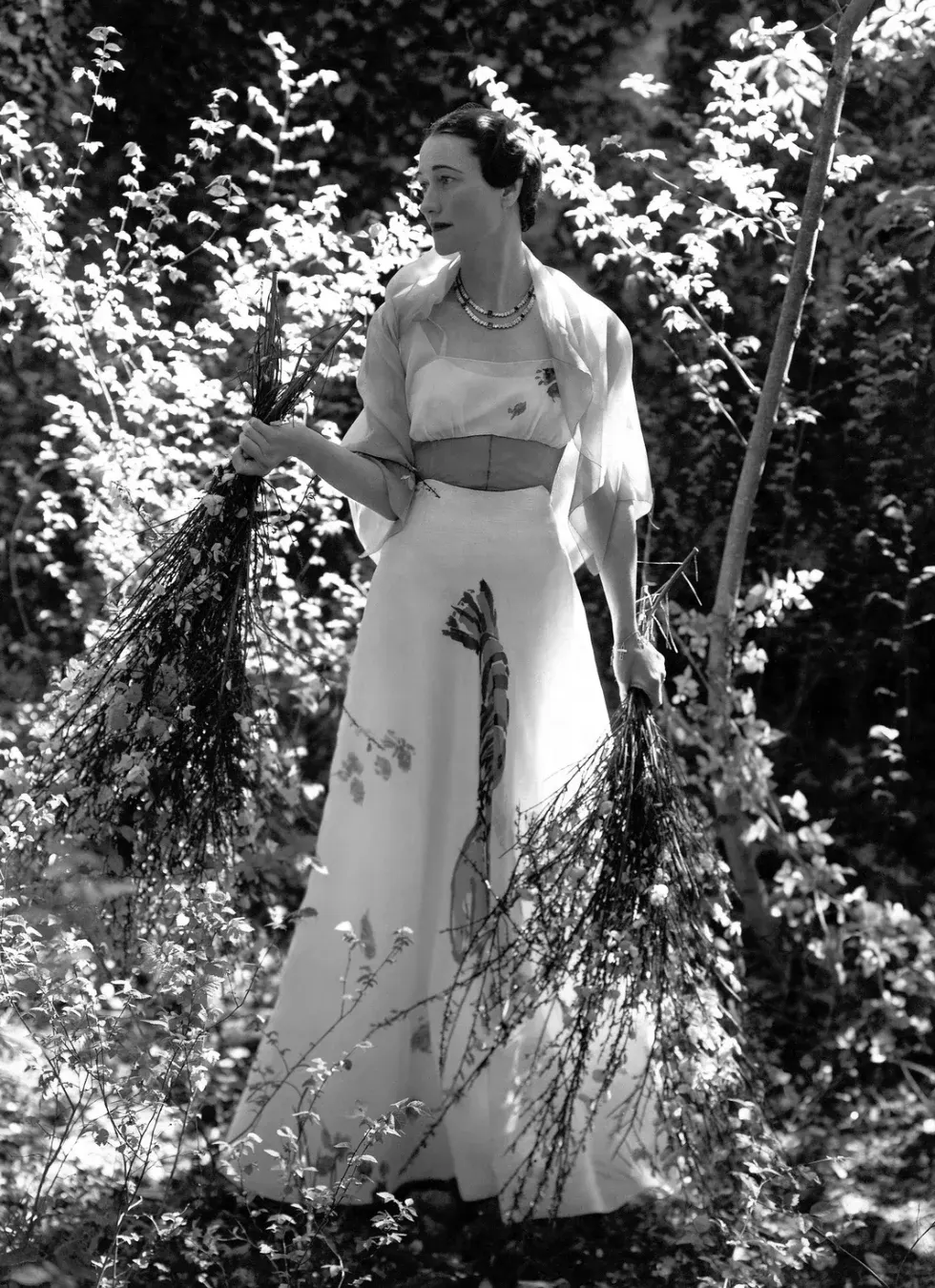
During the 1930s, Elsa Schiaparelli brought Surrealist imagination into haute couture. Her collaborations with Salvador Dalí transformed familiar garments through unexpected imagery and the displacement of everyday objects. The celebrated 1937 Lobster Dress placed an enormous crustacean across a white evening gown, allowing a sophisticated garment to carry an image charged with absurdity and provocation.
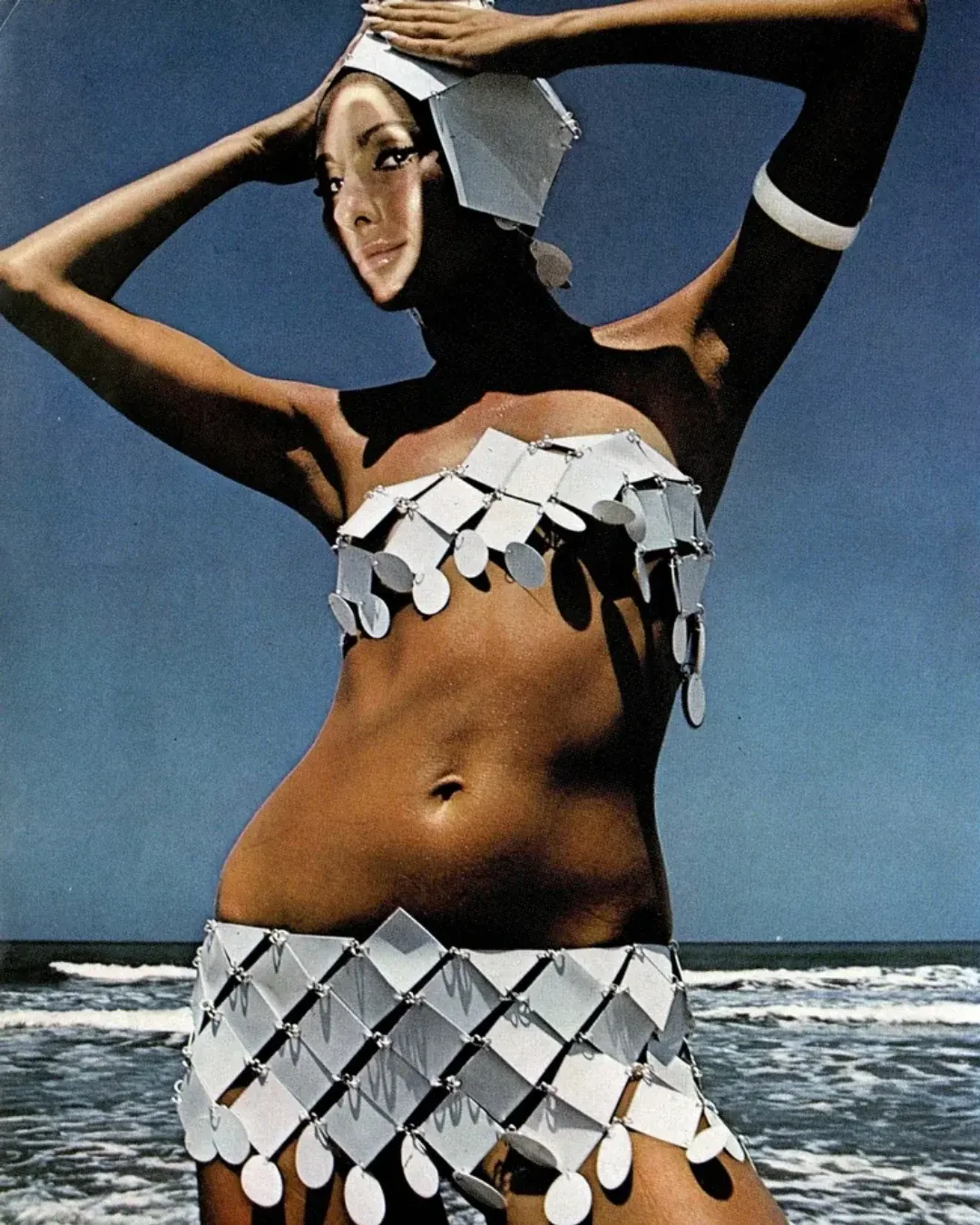
A further transformation unfolded during the Space Age of the 1960s. André Courrèges and Pierre Cardin developed futuristic silhouettes that reflected contemporary fascination with technology and space exploration. Paco Rabanne pushed experimentation into the physical construction of clothing. His 1966 presentation of Twelve Unwearable Dresses in Contemporary Materials introduced garments assembled from industrial materials, including plastic and metal elements connected through rings. The conventional relationship between fabric, sewing and dressmaking was opened to another possibility.
Beyond fashion, a similar fascination with raw materials, exposed construction, and sculptural forms reveals an unexpected kinship between avant-garde style and the Brutalist instinct inside it.
Avant-garde fashion was taking shape through a succession of different creative ambitions. Its history belonged to artists who regarded clothing as a place to test ideas about the world around them.
Paris Confronted an Unfamiliar Beauty
By the early 1980s, Parisian fashion encountered a profound challenge to its established ideals of refinement, luxury and bodily proportion.
The Japanese designers Rei Kawakubo and Yohji Yamamoto presented collections in Paris in 1981 that introduced a markedly different visual sensibility. Their experiments with irregular forms, asymmetry, distressed surfaces and expansive silhouettes questioned the association between fashionable elegance and the carefully defined female figure.
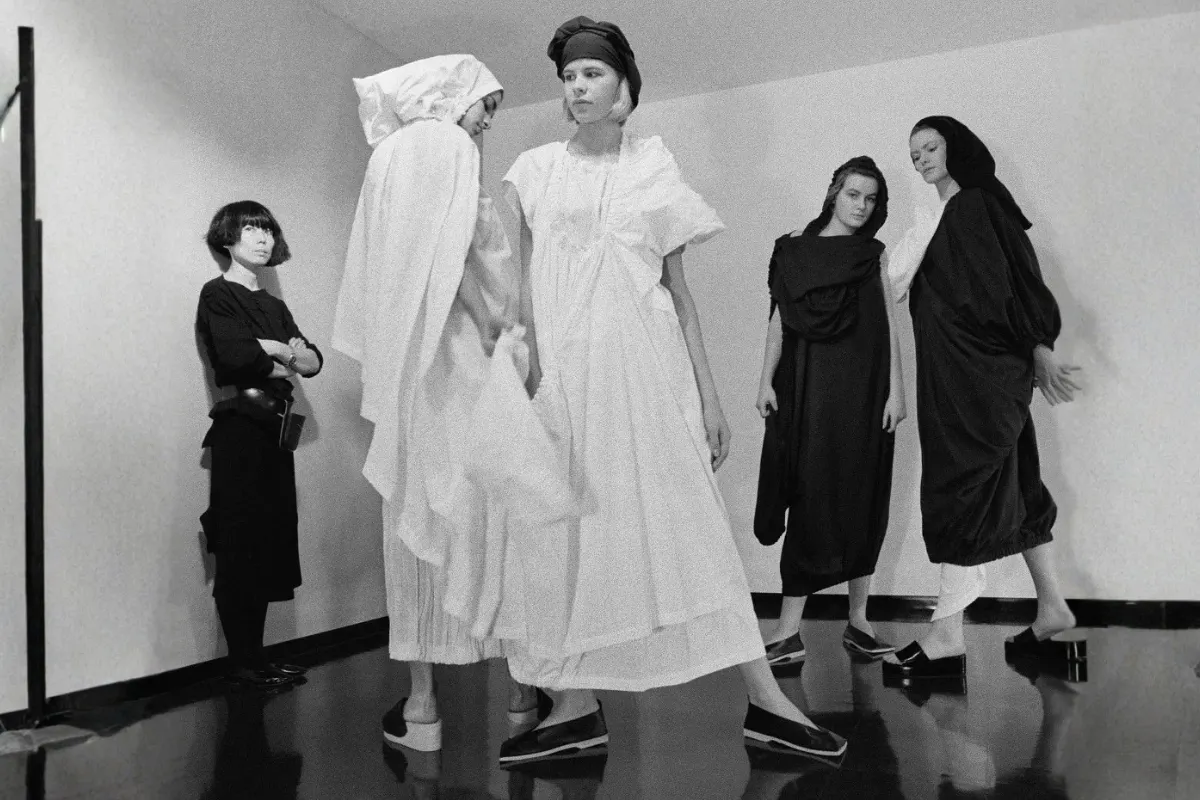
Kawakubo's work at Comme des Garçons proposed an aesthetic in which unusual proportions, asymmetrical arrangements and deliberately unfamiliar constructions could possess their own authority. Clothing could conceal the waist, obscure the body's contours and establish a visual presence independent of conventional ideals of attractiveness.
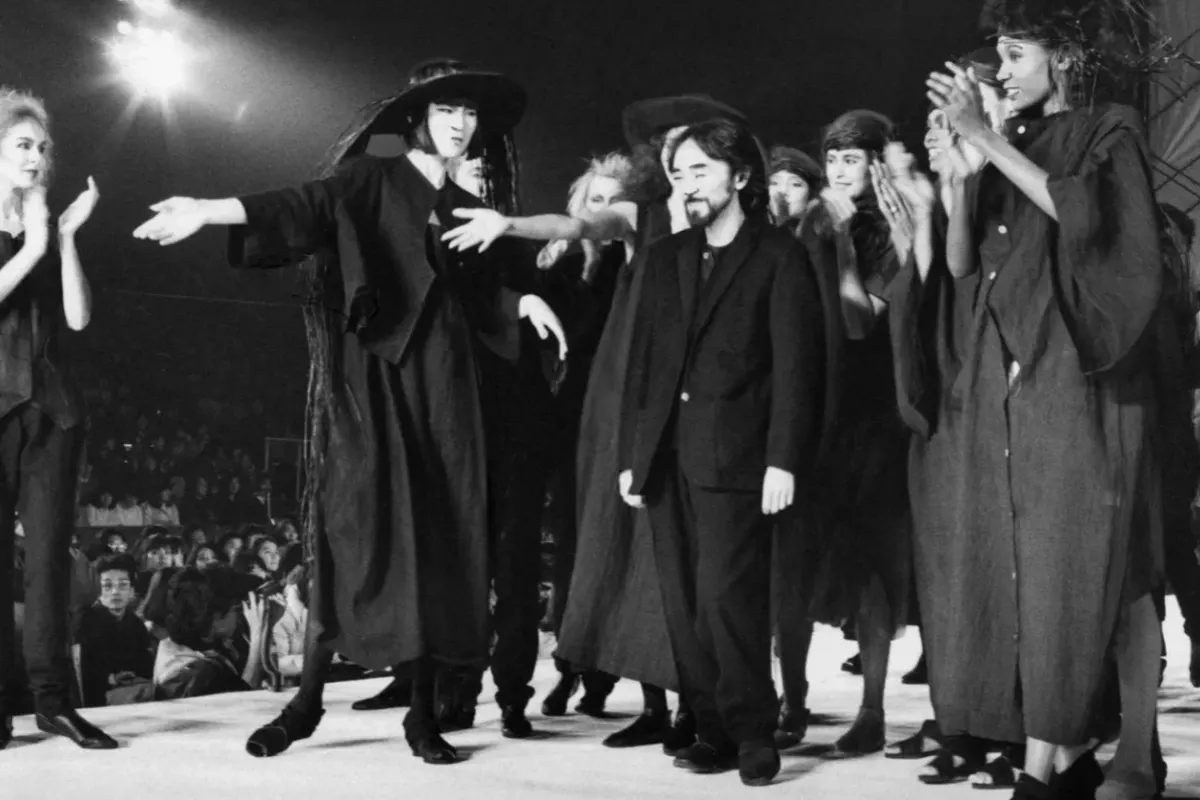
Yohji Yamamoto developed another distinctive vocabulary through loose tailoring, elongated proportions and a sustained engagement with black. His garments frequently allowed space between fabric and body, creating an impression of movement, intimacy and protective distance. The physical act of wearing clothing became central to the silhouette.
Issey Miyake contributed complementary direction through extensive research into textiles, movement and manufacturing. His work demonstrated how technical experimentation could produce new forms of flexibility and bodily freedom, expanding the possibilities of fashion through material invention.
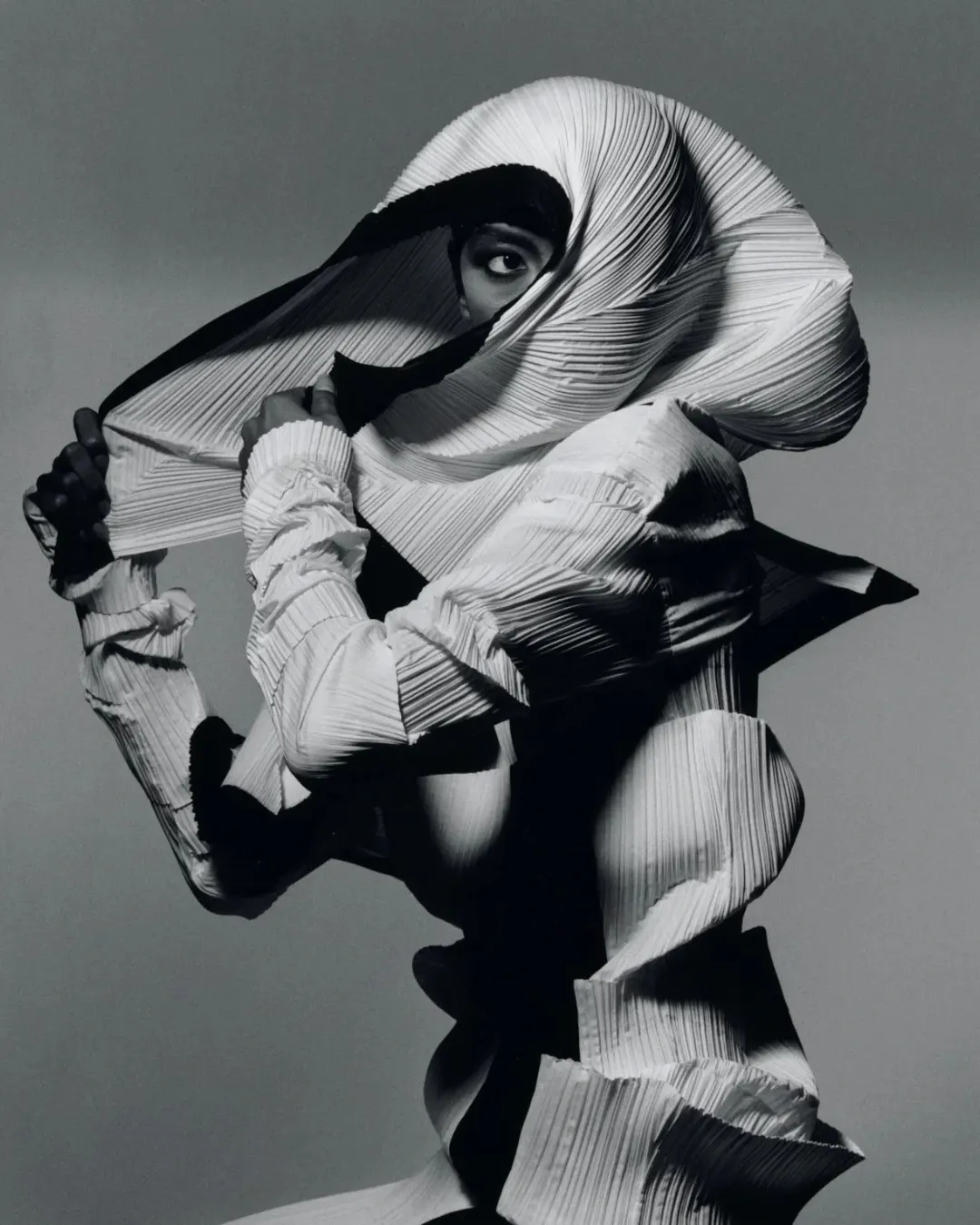
The influence of these Japanese designers extended into the philosophical foundations of contemporary fashion. Their work challenged a Western fashion system accustomed to particular ideals of bodily presentation and expanded the ways designers and audiences could interpret elegance.
During the following decade, Martin Margiela developed a different language of disruption. His approach to deconstruction exposed elements traditionally concealed within a garment, including seams, linings, darts and unfinished edges. Ordinary clothing could be taken apart, reconsidered and assembled again, with the process itself becoming visible.
Together, these developments helped establish avant-garde fashion as an enduring creative position within the industry. Designers could question the visual expectations of fashion while remaining deeply engaged with its technical and material traditions.
The Body Escaped Its Familiar Outline
The silhouette represents one of fashion's most recognisable systems of communication. Waistlines, shoulders, hips and hemlines have historically reflected changing ideals of gender, beauty and social identity.
Avant-garde style introduces uncertainty into this relationship. Designers may reposition volumes, redistribute weight or alter the proportions surrounding the body. A jacket can exaggerate the shoulders until the torso appears unexpectedly narrow. A dress may conceal the waist beneath layers of padding. A coat can extend beyond the hands and produce an entirely new relationship between the wearer and the space around them.
These interventions reveal an important aspect of experimental fashion: clothing has the capacity to construct an image of the human body that differs from its natural anatomy.
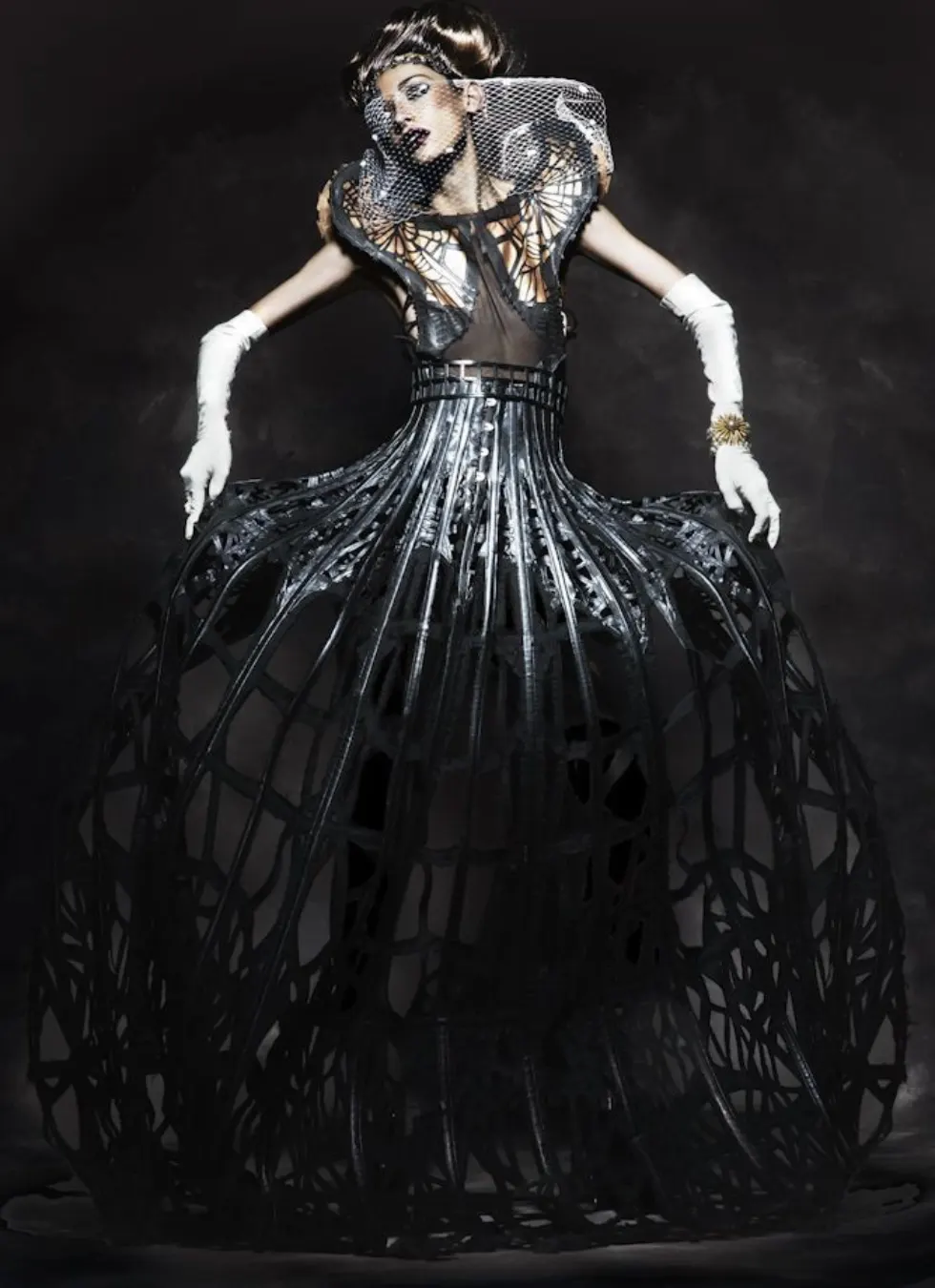
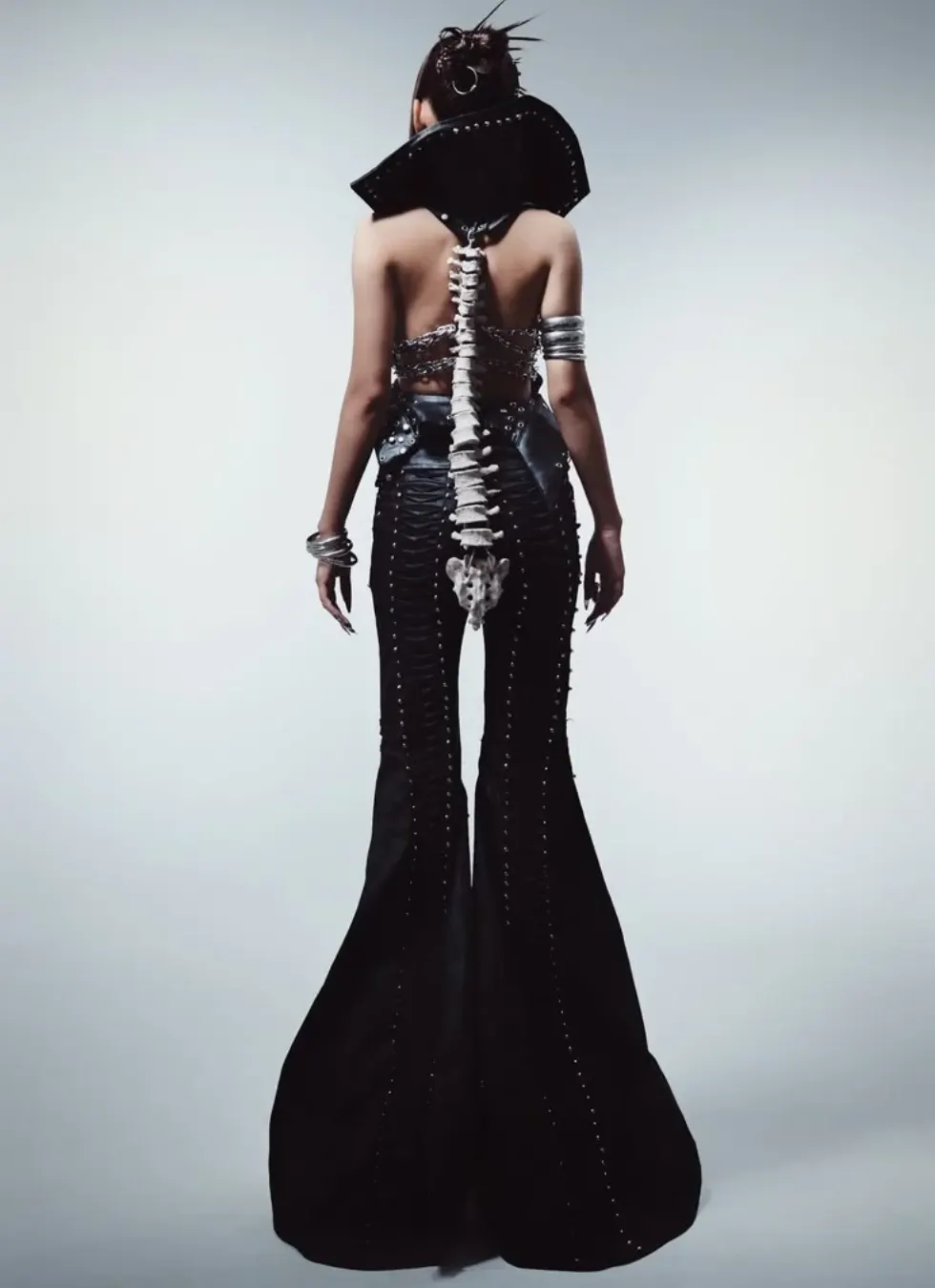
The manipulation of silhouette also affects movement. An oversized sleeve may change the way a person holds an arm. A rigid sculptural dress can influence posture and restrict certain gestures, while an expansive garment may allow the body to disappear into a shifting volume of fabric.
Within these designs, shape carries psychological meaning. Exaggerated shoulders can suggest strength or authority, while enclosed silhouettes evoke privacy, protection or isolation. Distorted proportions may appear unsettling because it contradicts the physical expectations that ordinarily guide our perception of human figures.
Material choices deepen these effects. Leather and bonded textiles can sustain imposing architectural forms. Soft jersey permits distortion through draping and tension. Technical synthetics, metal components and moulded materials introduce different possibilities for structure, transparency and movement.
The avant-garde wardrobe may appear severe in monochrome or extraordinarily expressive through colour and surface treatment. Its identity depends on the interaction between construction, form and the ideas underlying them.
Freedom to Be Difficult
Avant-garde style has repeatedly occupied an uneasy position within an industry built around desirable objects. Fashion must contend with the practical demands of wearing clothing, the commercial realities of production and the cultural expectations surrounding appearance.
Experimental designers often work at the boundaries of these demands. Their collections can introduce unfamiliar forms that require audiences to develop new ways of looking. Certain garments may challenge comfort, conventional attractiveness or the distinction between clothing and sculpture.
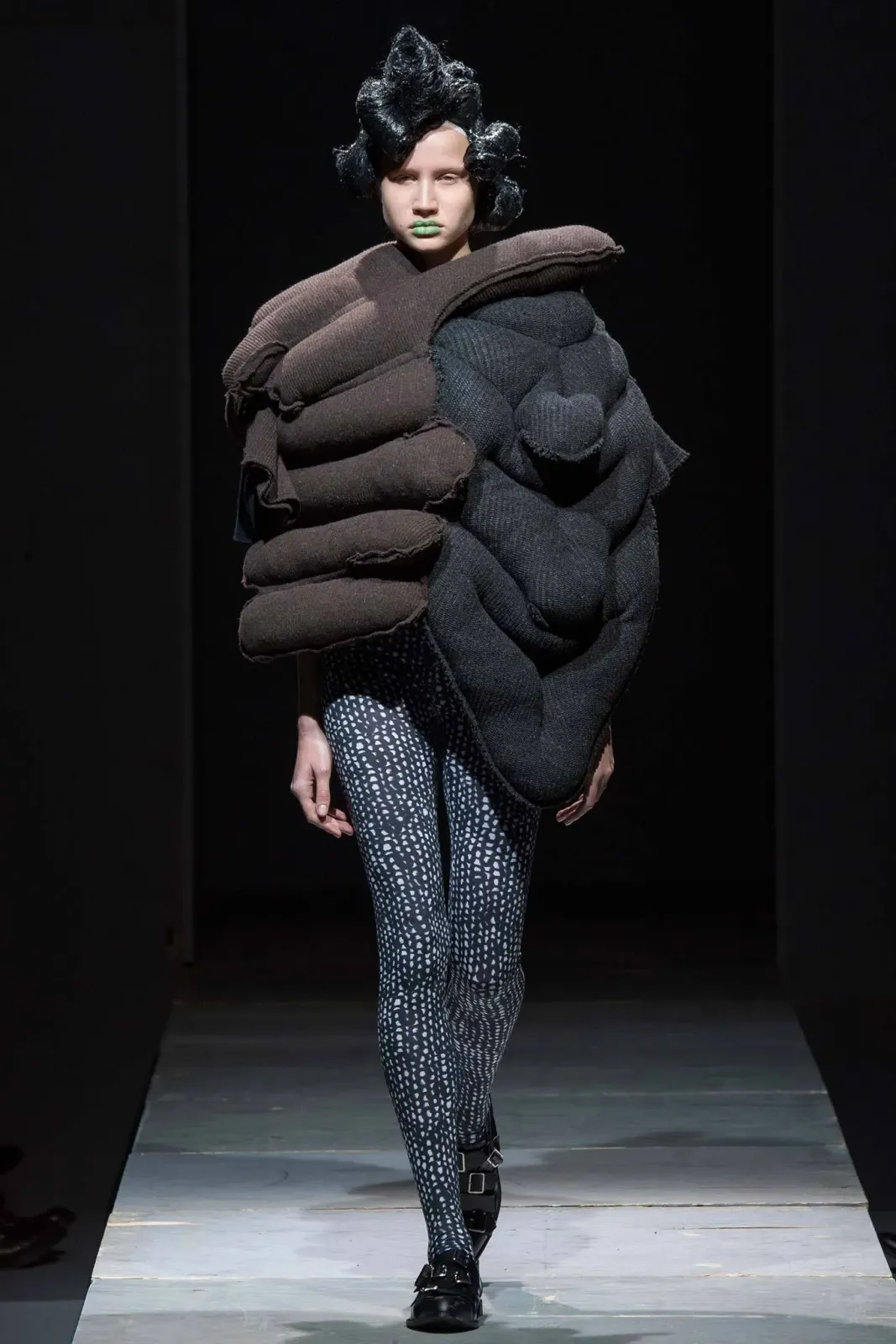
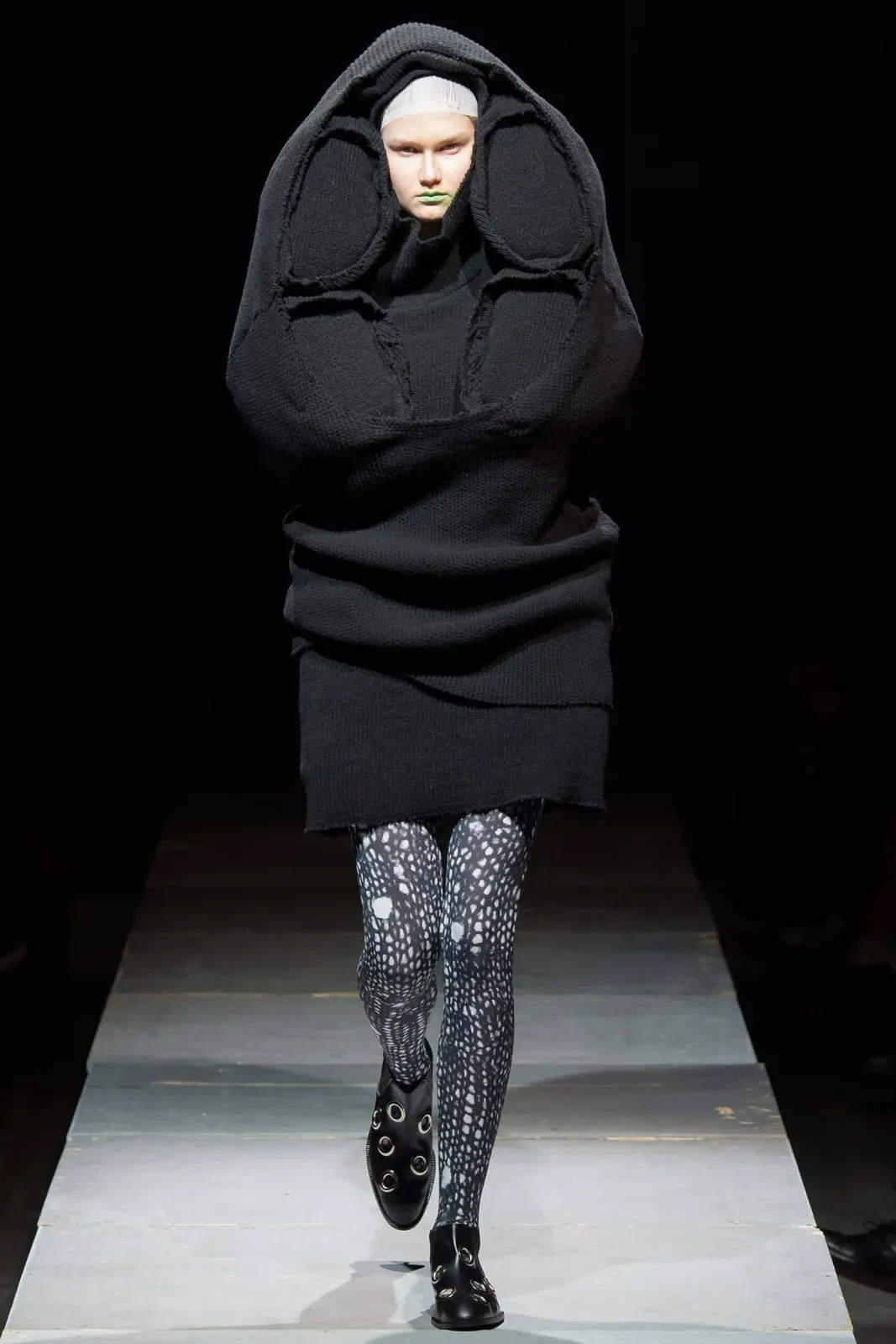
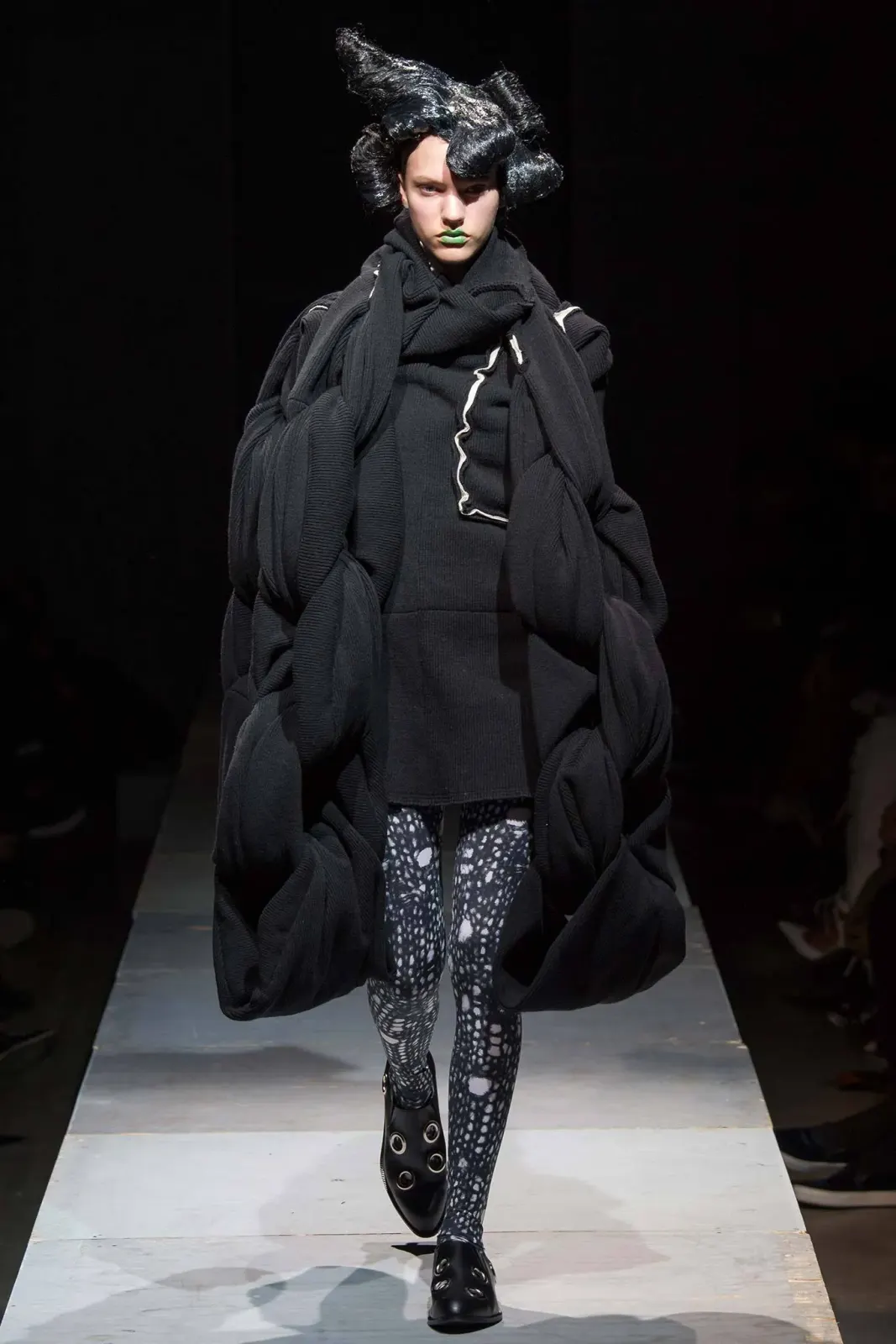
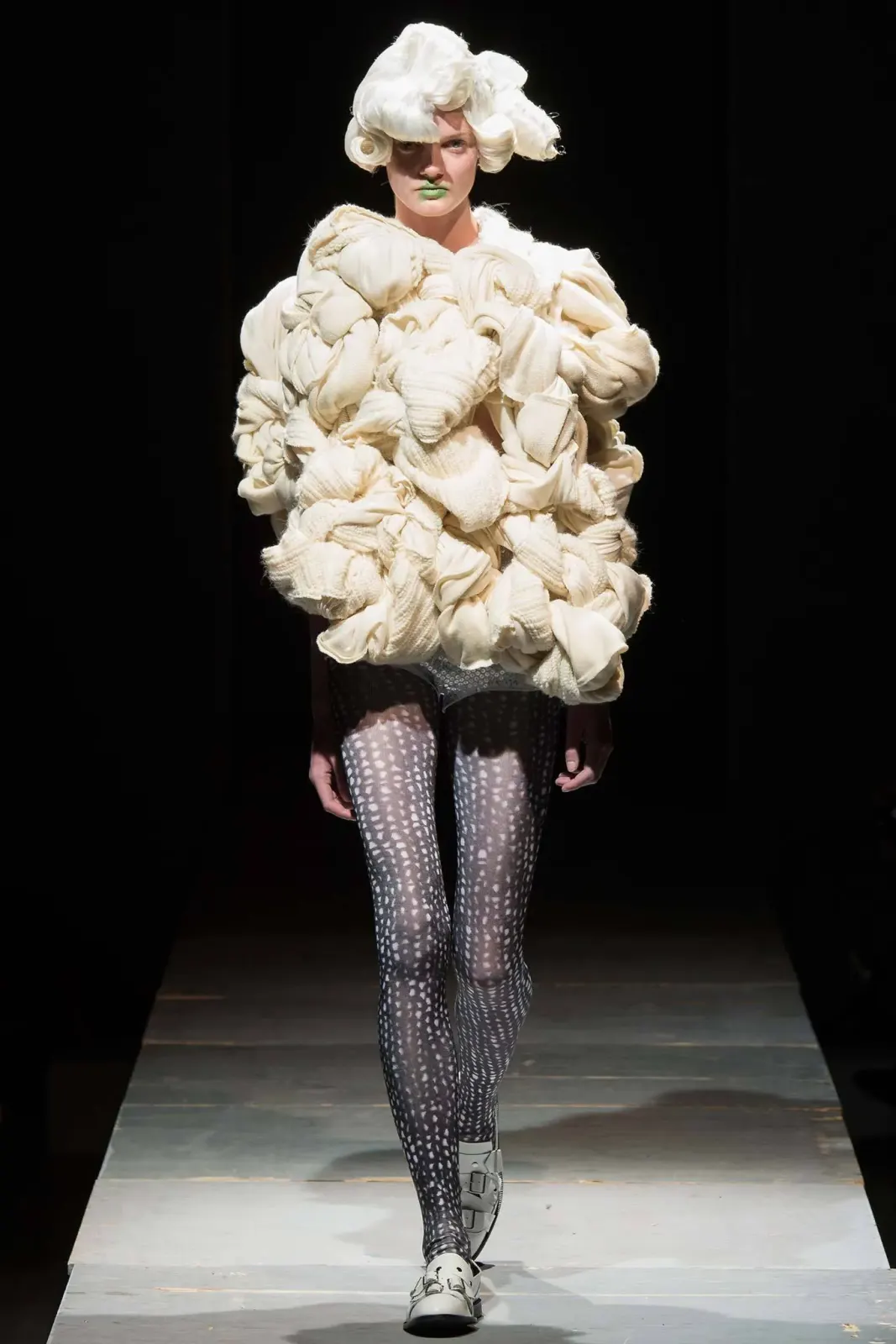
This difficulty has cultural significance. Fashion provides a public vocabulary through which societies recognise gender, status, professionalism, desirability and belonging. Altering that vocabulary can expose how arbitrary some of its conventions have become.
An exaggerated silhouette may challenge the expectation that clothing should flatter the body according to established proportions. Visibly unfinished garments can question the association between perfection and luxury. A design that assembled from discarded materials may raise questions about value, consumption and the life of objects.
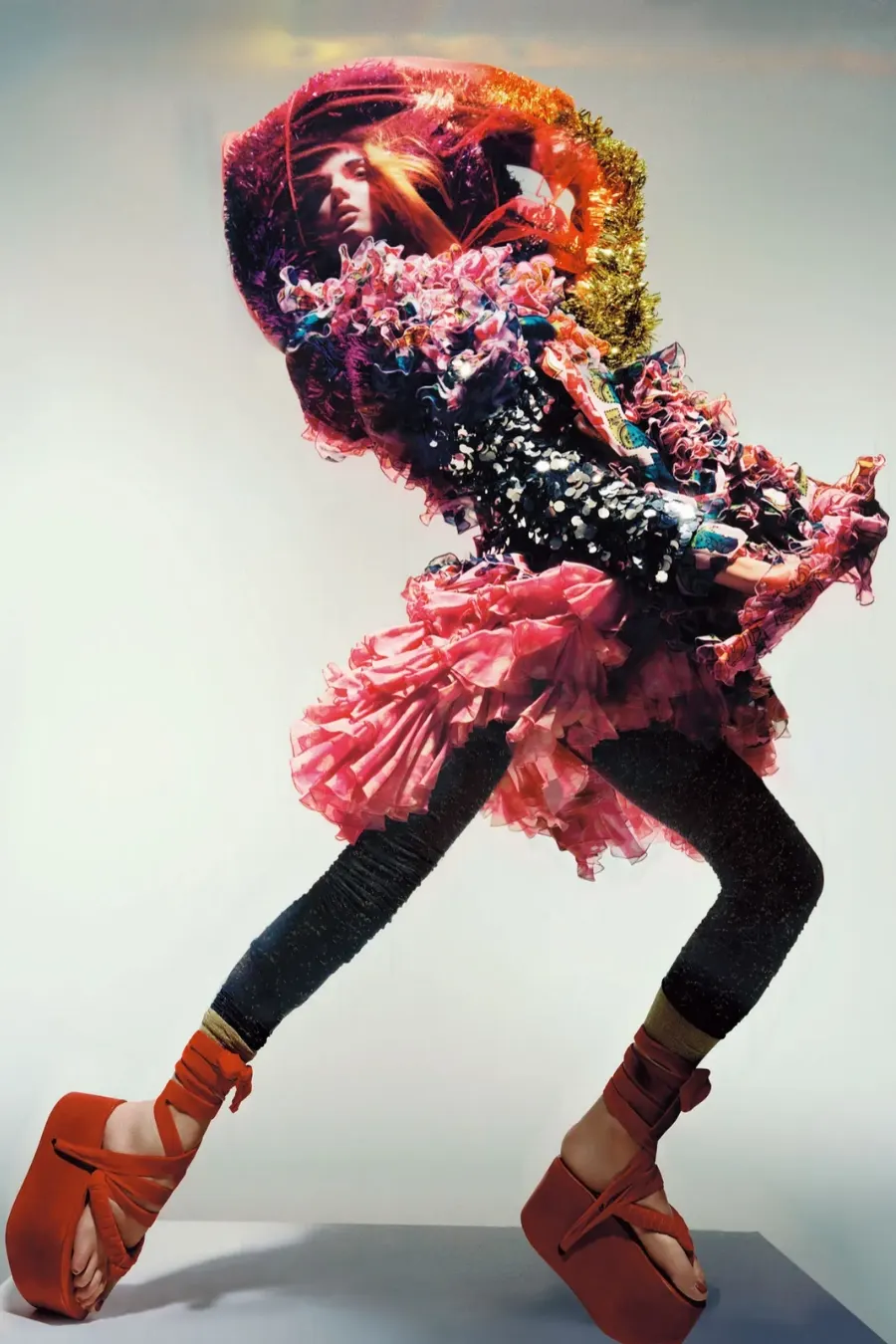
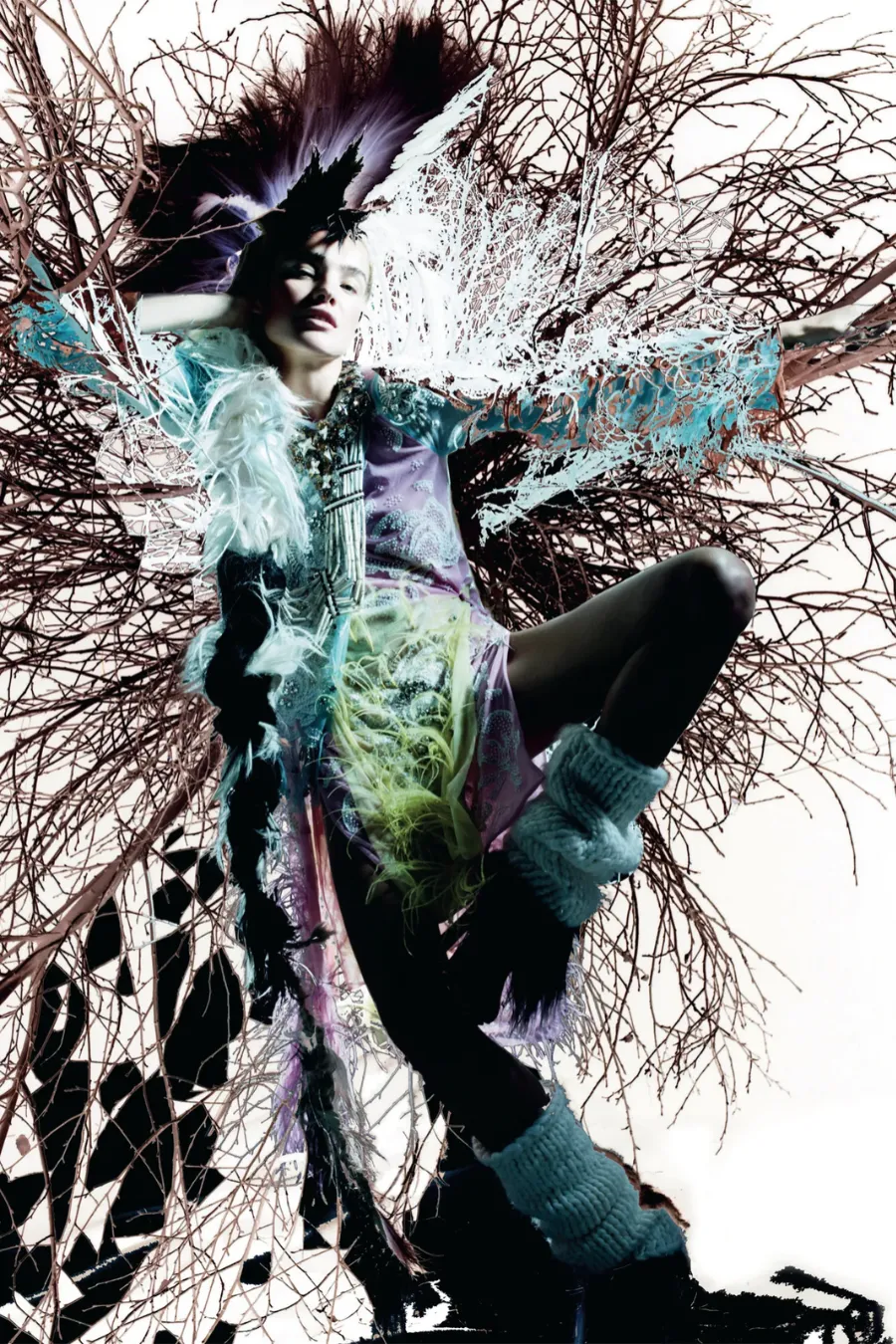
Such experiments also encounter a persistent contradiction. Once an unconventional idea gains acceptance, it can enter commercial fashion and become a recognisable aesthetic. The irregular silhouette becomes a trend. The exposed seam becomes a decorative detail. The once-provocative garment acquires a place in the vocabulary it originally challenged.
Avant-garde style survives through its willingness to confront this transformation. Its meaning continues to develop as designers question the conventions established by previous generations, including those introduced by avant-garde movements themselves.
Fashion's familiar forms are constantly being revised, sometimes through spectacular gestures and sometimes through the smallest construction detail. At the centre of that process remains a deceptively challenging possibility: the garment that seems wrong today may reveal how limited yesterday's idea of beauty had become.
Advertisement